THAT KENTILE FLOORS SIGN IN BROOKLYN
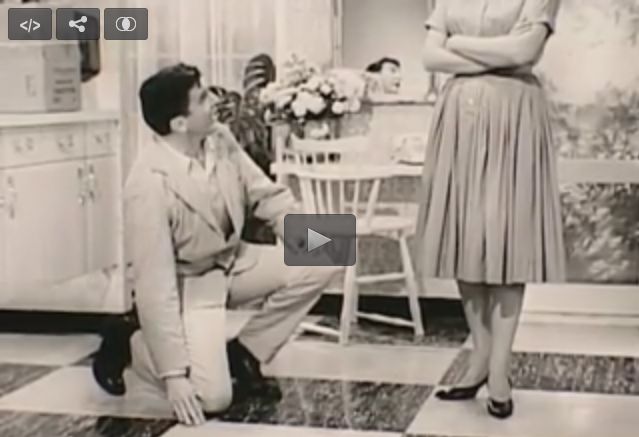
As the salvos are fired across the broadsides of those who would tear down Brooklyn’s famous Kentile Floors sign, few know the history behind the company, its founder, and its legacy. Kentile was a revolutionary floor covering that was easy to install and extremely resistant to fire. The asphalt tiles were primarily composed using an asbestos filler which today is no longer legal, due to the knowledge we currently have of the harmful effects of asbestos on our bodies. But Kentile was a start-up in the late 19th century in Brooklyn that made its inventor rich and many, many housewives much, much happier in their kitchens. IN THE BEGINNING In 1898, Arthur Kennedy founded Kentile in Brooklyn. Kentiles were “large durable tiles made of a range of materials that were available in dozens of colors and patterns.” Kentile Flooring was primarily marketed in Brooklyn and the surrounding region back then, but eventually, as they became popular, spread their availability throughout the country. By 1949, they began producing an asphalt based tile and, as an industry leader, their stock skyrocketed. Although they had their competitors, such companies as Armstrong, Congoleum-Nairin and Montgomery, Kentile offered a consumer-install option that was attractive to the DIY-er. By the ’50s and ’60s, Kentile Floors had become one of America’s largest manufacturers of super-resilient floor tile, and it was a national tile distributor. The Kentile factory at Second Avenue in Gowanus – where the Kentile Floors sign is currently being removed – employed more than 400 […]
Observing Memorial Day
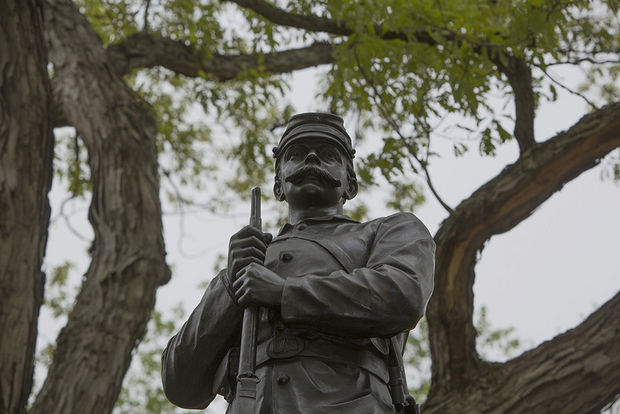
“Then the three waves in flashed advance Surged, but were met, and back they set: Pride was repelled by sterner pride, And Right is a strong-hold yet.” — Herman Melville This weekend, remember those who have gone before us and have made the ultimate sacrifice. See you all on Tuesday. Brian
A HOOSIER DADDY IN YOUR HOUSE
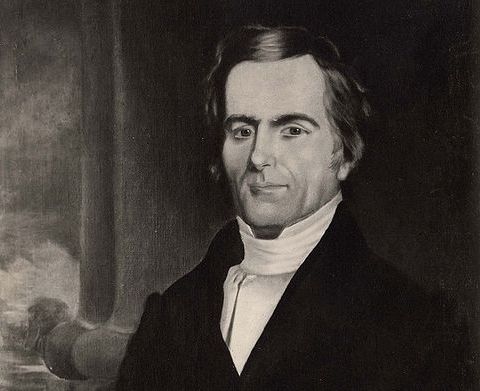
Whenever Brownstone Detectives begin researching a client’s house history, the heady rush of discovering the people who are a part of that home’s past begins to set in. Sometimes these people are formerly famous – or infamous – individuals. Or, in some instances, they had at one time been distinguished members of our society. And then, there are those who were pedestrian citizens who at one time produced families, went every morning to their jobs, and lived ordinary lives. In a recent case, after some extensive newspaper archival research and combing through documents at Indiana University, we discovered an interesting connection – a former resident, Rev. Anderson McElroy Wylie, who was a prominent Brooklyn Episcopal clergyman, in his own right, had been the son of the founding president of Indiana University, Andrew Wylie. Now, we’re not 100% certain, but wouldn’t that be the “2 Degrees of Hoosier Daddy”? ———————————————————————————————————————– The Brownstone Detectives This story was composed from research performed by The Brownstone Detectives. Let us do an in-depth investigation of your house and its former owners and produce your very own House History Book. Your hardbound coffee table book will include an illustrated and colorful narrative timeline that will bring the history of your house to life. Contact us today.
HOLIDAY FOR THE BROWNSTONE DETECTIVES
The Brownstone Detectives will be taking a brief holiday while we focus on the design and layout of our current House History Book. Our cold case reports blog will resume the week of 4 May. Please contact us for any questions about investigating your historic home for a House History Book of your own. ———————————————————————————————————————– The Brownstone Detectives Let us do an in-depth investigation of your house and its former owners and produce your very own House History Book. Your hardbound coffee table book will include an illustrated and colorful narrative timeline that will bring the history of your house to life. Contact us today.
Brownstone Detectives on TV
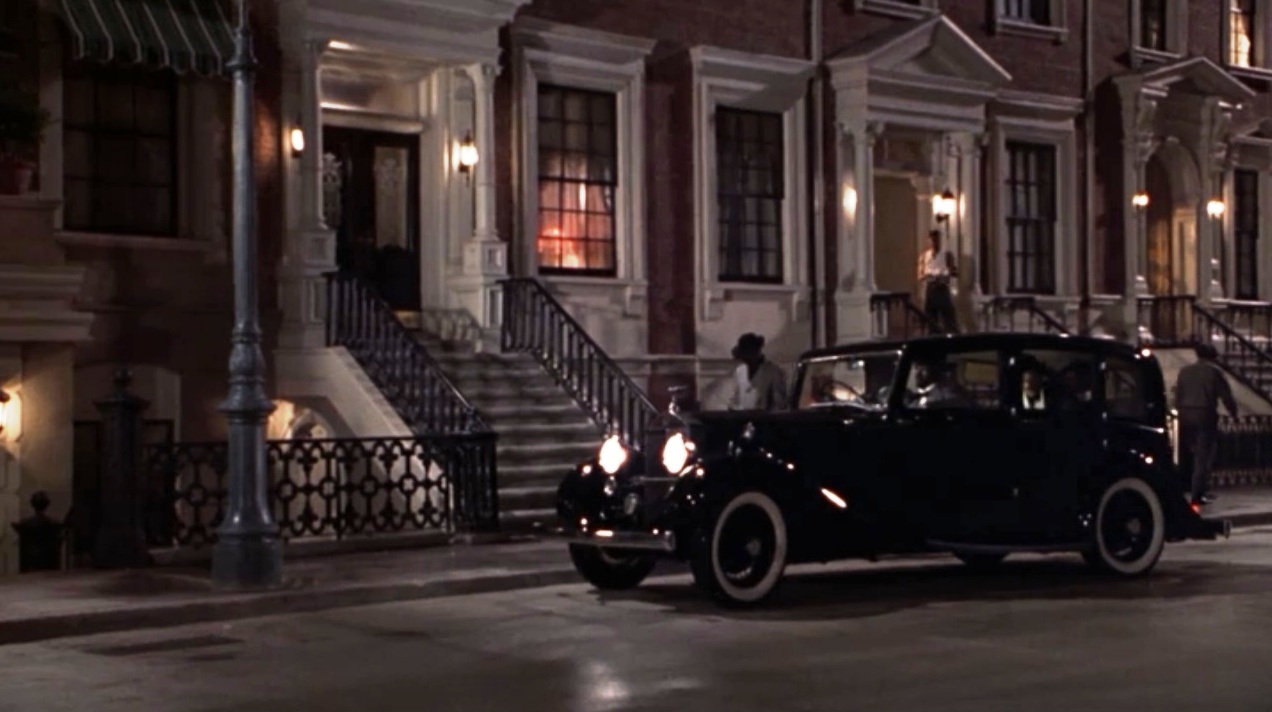
OK, all you house history fans! A certain TV network will be at Brownstone Detective H.Q. in May to begin filming an episode of a television series. The show will focus on the first family that lived in the house, The Corletts, and the “unfortunate occurrences” that seemed to emanate from the house in its early days. BAD LUCK? YOU DECIDE… It all started when the initial architect/builders of 738 Macon Street purchased the lot for the house and began building. About halfway through its construction, though, the house would go into foreclosure. About a year later, the man who would eventually finish building the house, Wilfred Burr, A.K.A. “Lucky 13,” would buy the foreclosure property in a tax sale. After the sale was completed, Burr had saved enough money in the purchase that he was able to add an additional floor to the home, increasing its number of rooms from 9 – to 13. Finally, after Burr completed the house, it would become the 13th house on the block. But the the odd luck didn’t end there. When the Corletts moved into 738 Macon Street, all seemed to be smooth sailing until the family matriarch, Margaret, passed away. Like dominoes, every year thereafter, until 1900, a Corlett would die – Margaret’s son, John; her son-in-law, Robert; and her daughter, Eleanor. At this point, Margaret’s remaining child, Robert, decided presumably to get his family away from the house. He sold the property to a flipper and moved the family to […]
Hijinks on Herkimer, Pt. II
(To see Pt. I of Hijinks on Herkimer) It was not too long before, on one specific occasion, Wolfram took notice of Clayton approaching and entering their apartment building. Wolfram must have had a mouse’s ear, because he discerned from the top floor of the building that Ransom had not come upstairs but had entered an apartment on one of the first two floors. Wanting further evidence against Mrs. Oakley, Wolfram slipped down the stairs and went around the side of the house and “walked slowly by” the windows attached to Mrs. Oakley’s apartment, one of which belonged to her bedroom. As the blinds to the flat were “just a little open,” Wolfram peered though and saw the married man, Ransom, in Mrs. Oakley’s bedroom, a scandalous show of moral laxity at the time. Two nights later, Wolfram viewed Ransom returning to the apartment building and, subsequently, to Mrs. Oakley’s apartment. Wolfram must have drawn murmurs from the gathered crowd in the courtroom when he said what he observed next: Ransom did not depart Mrs. Oakley’s apartment until 6 am the following day. Determined, on the third try, to get the evidence that he needed to have Oakley banished from his building, Wolfram decided he would convince himself once and for all that what he had seen was enough to have her removed. Going out into the house’s front yard, he took a piece of thin wire with him and “fastened it to the gate so that when it was […]


