242 East 33rd Street
-
242 East 33rd Street
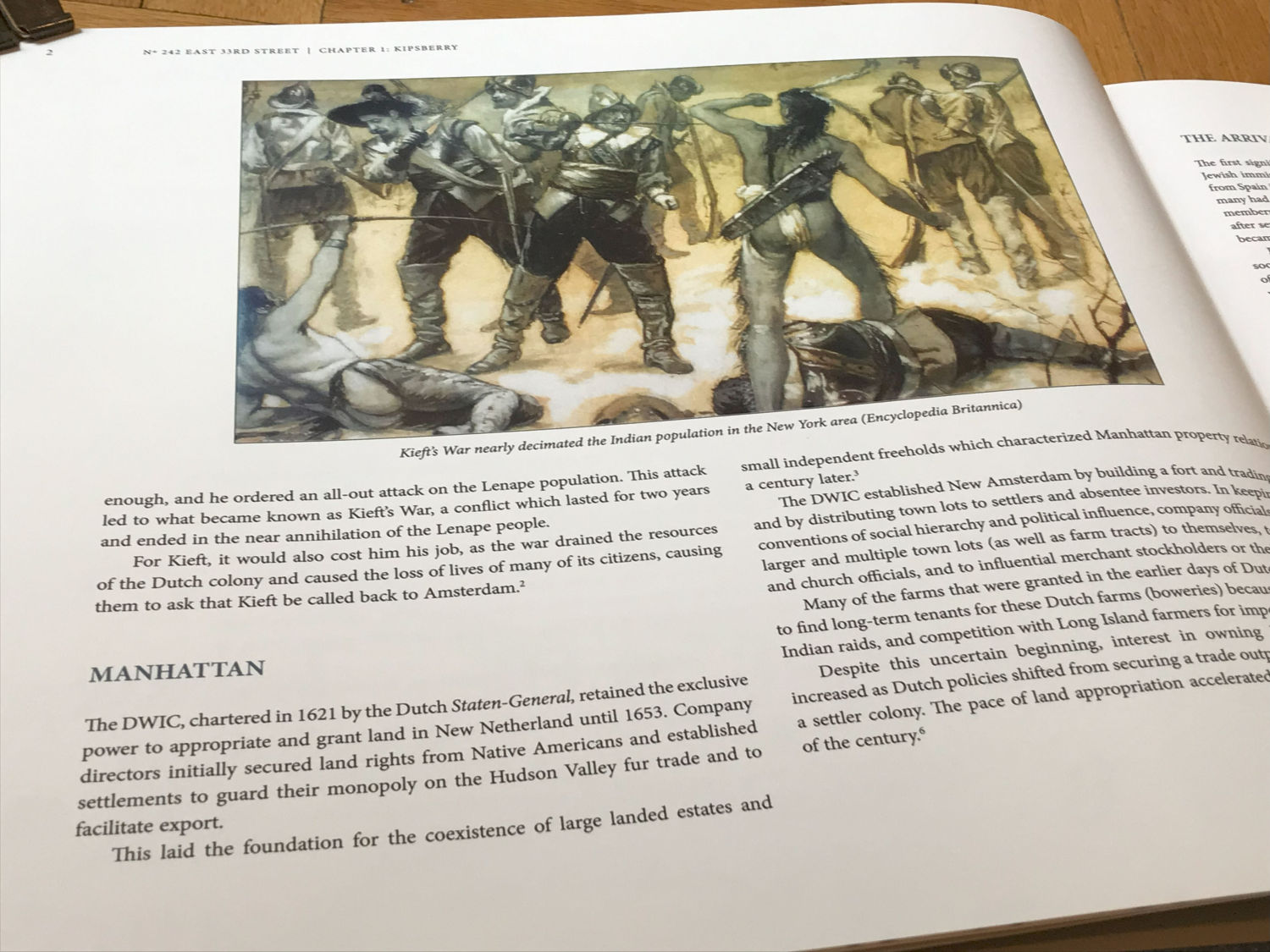
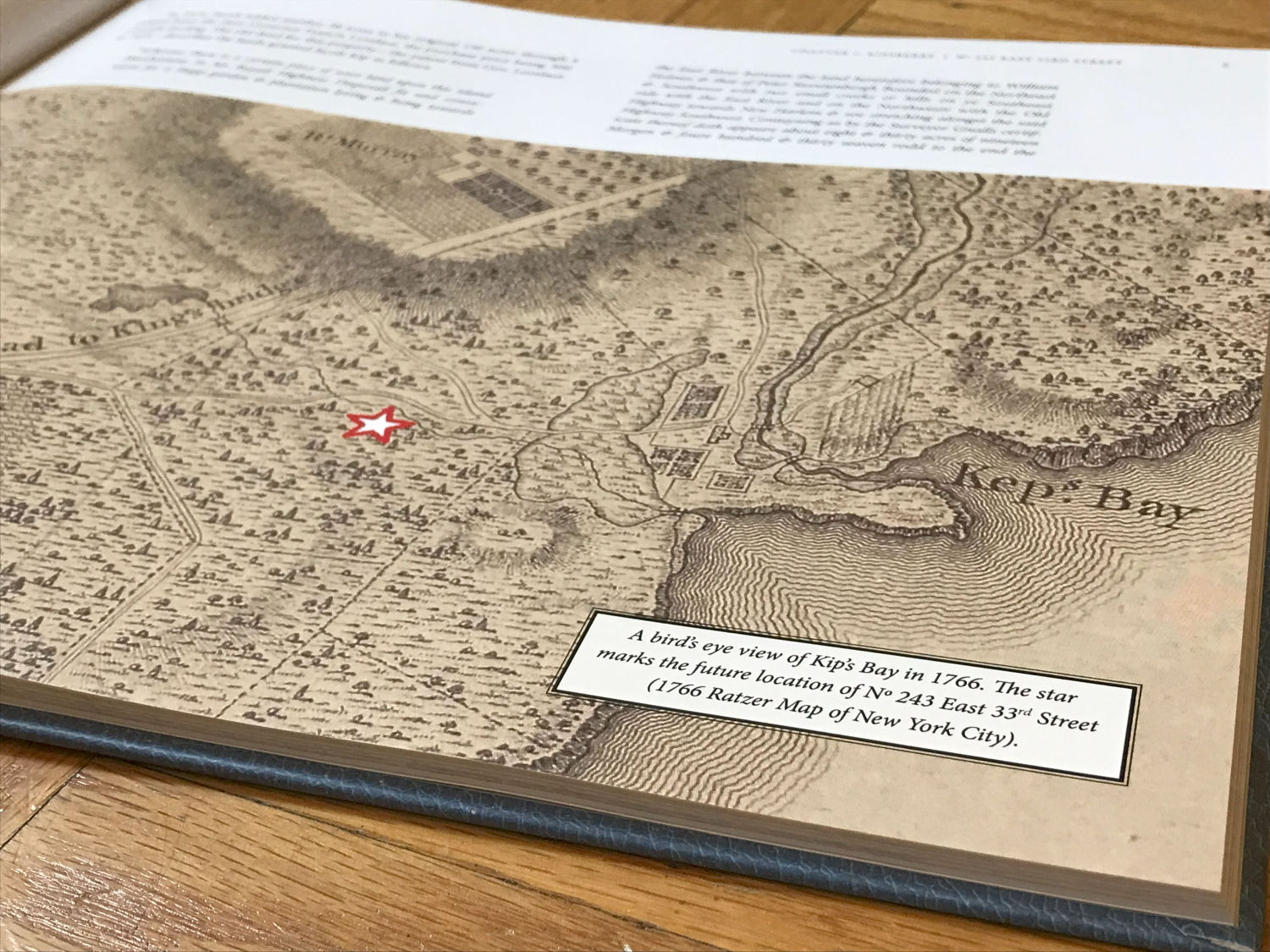
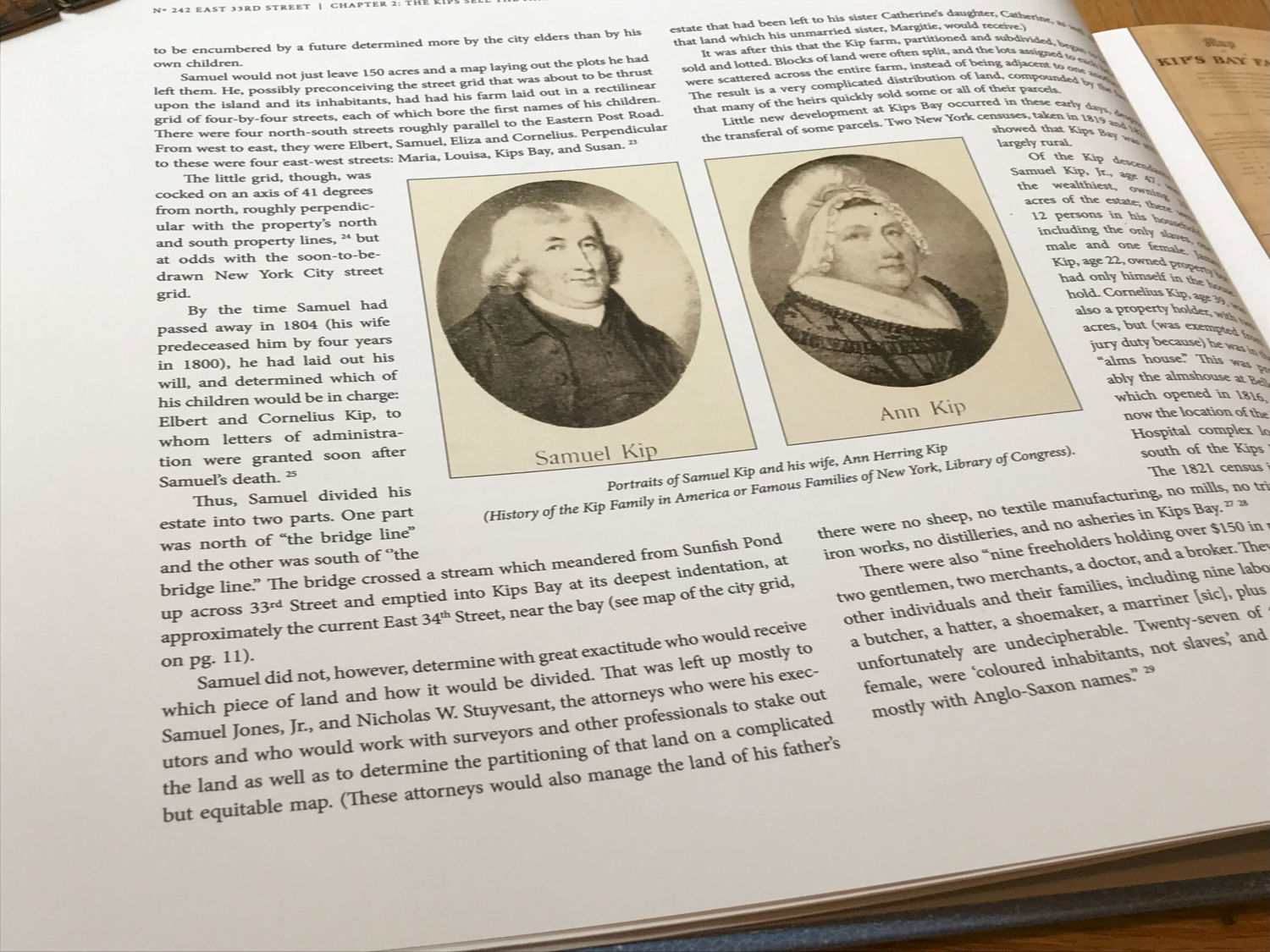
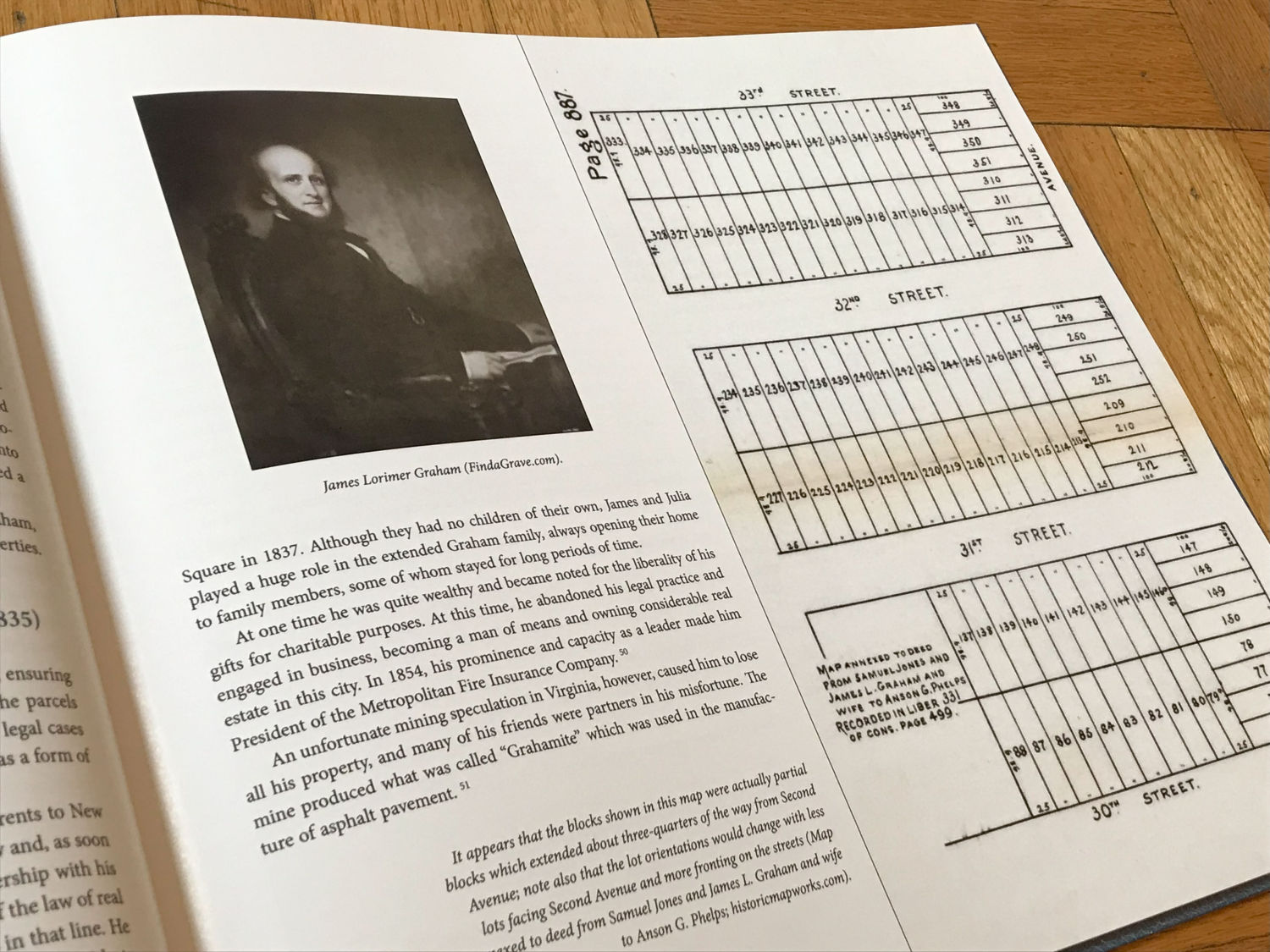
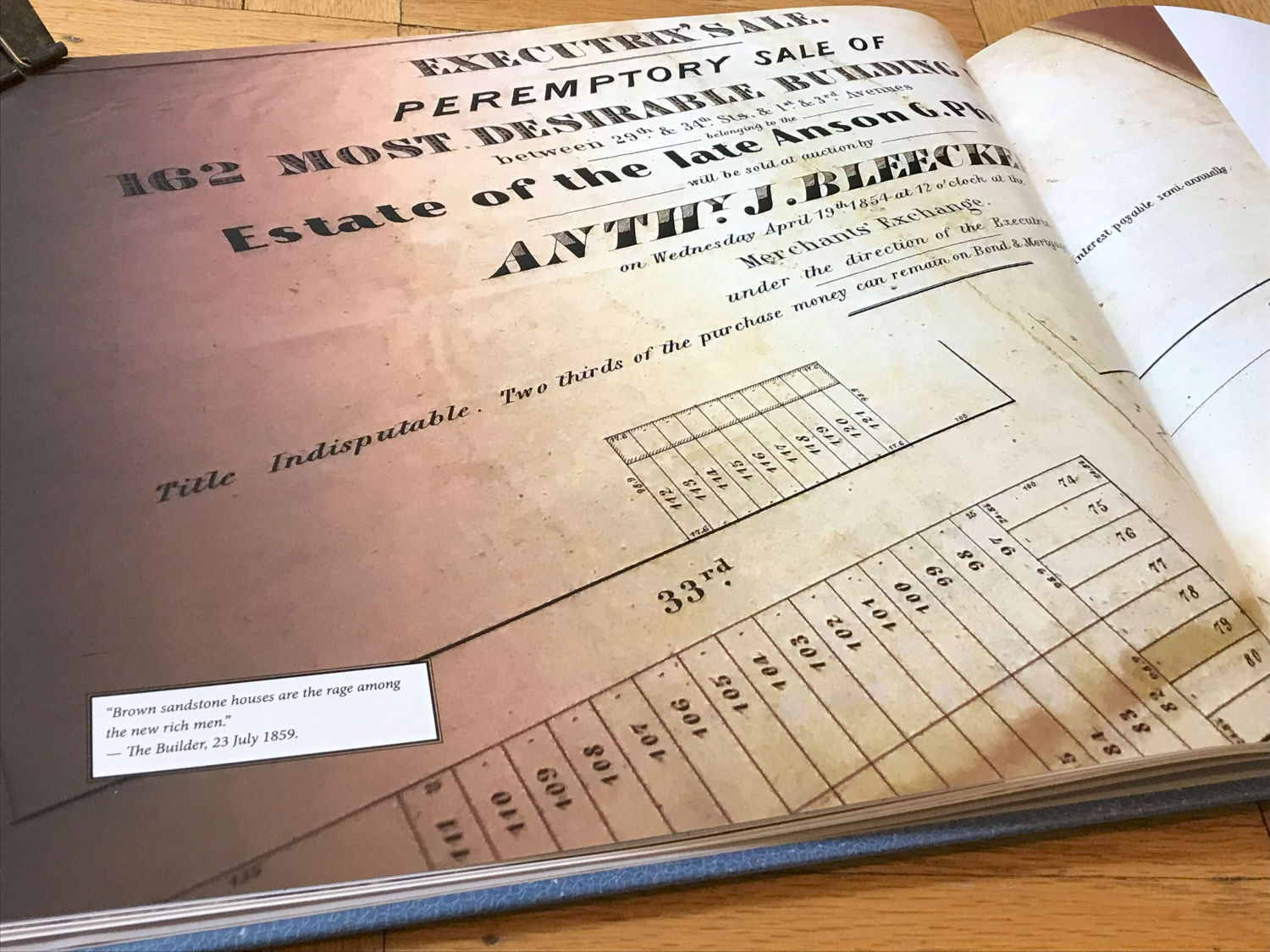
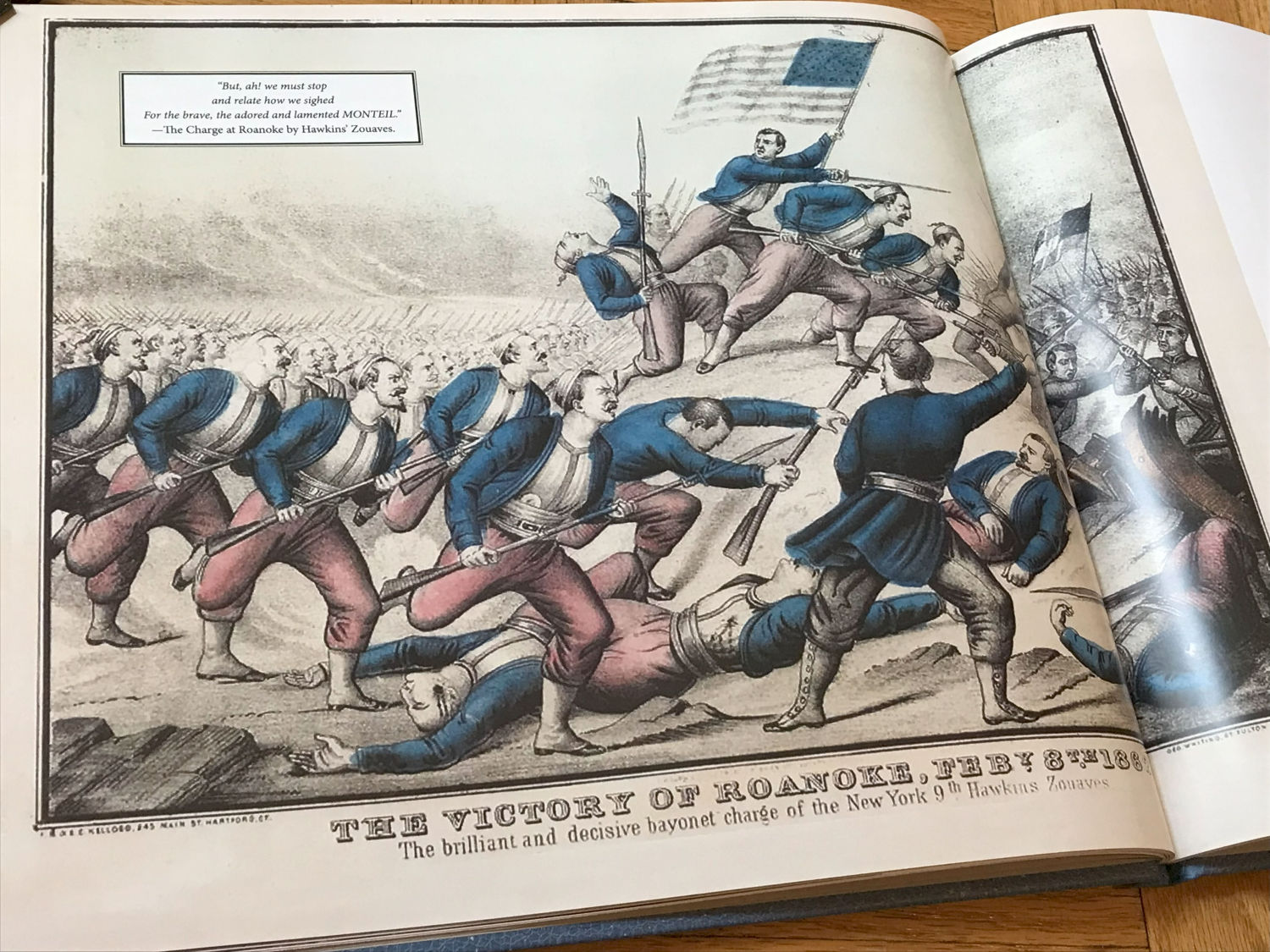
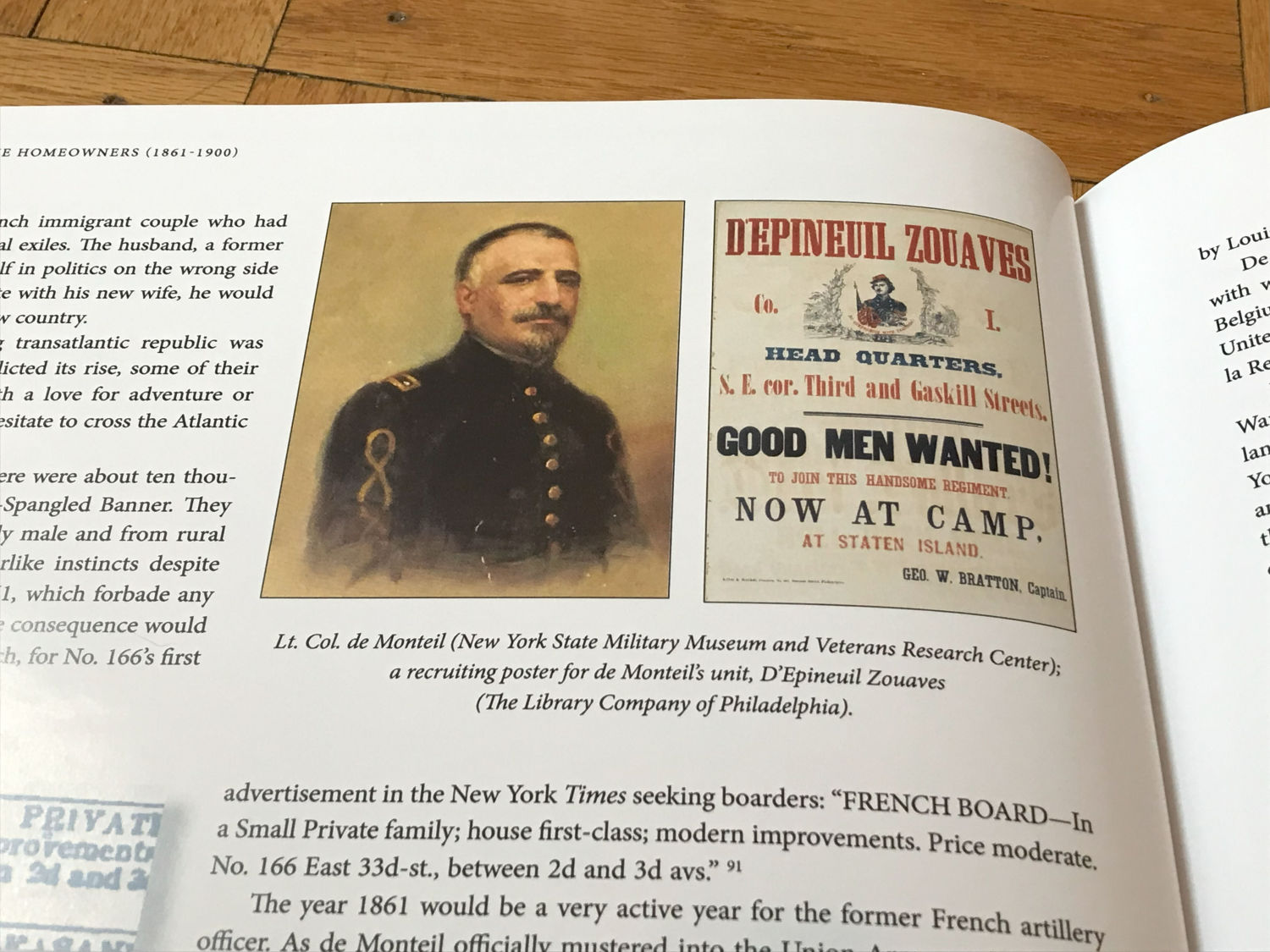
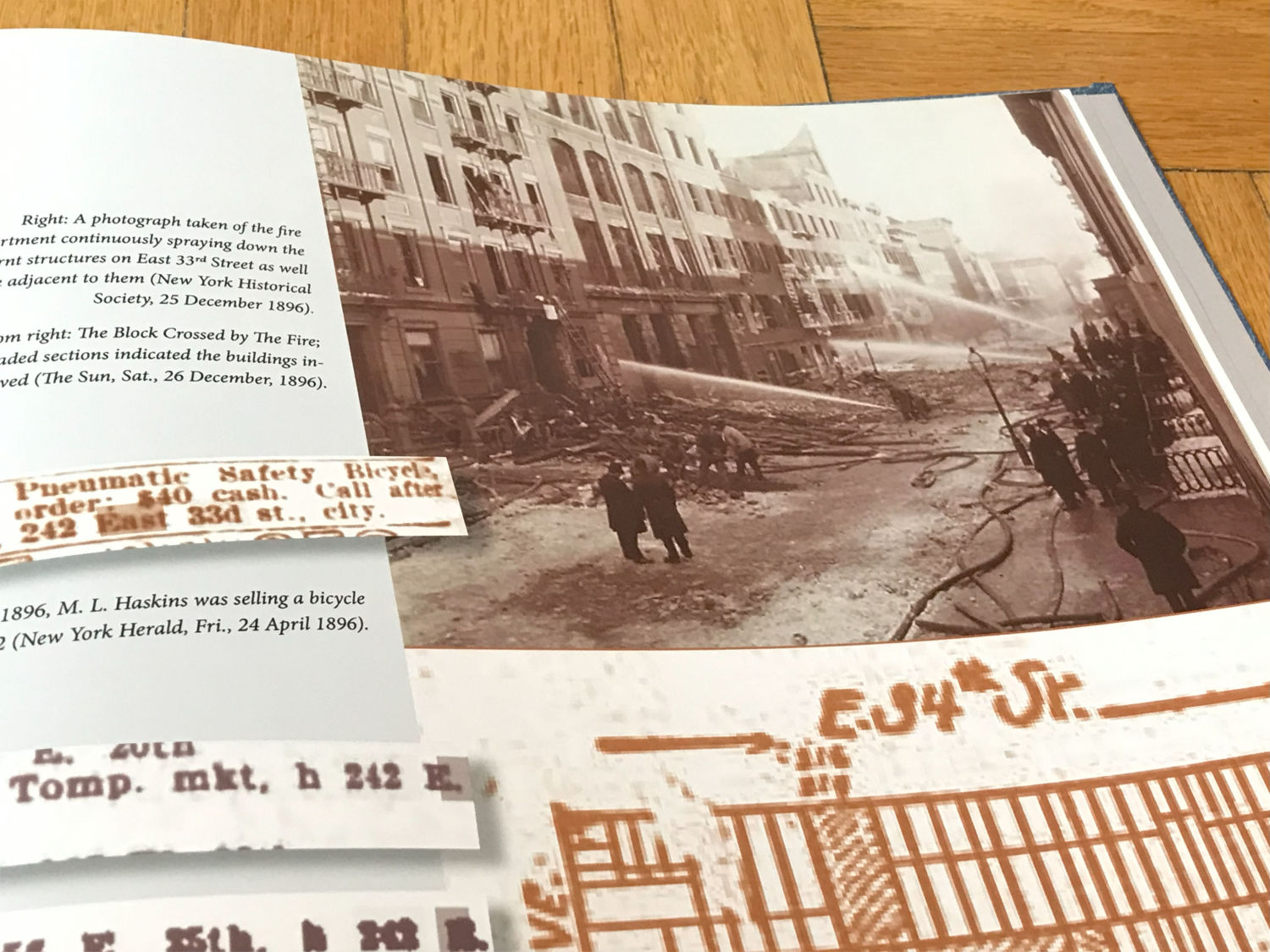
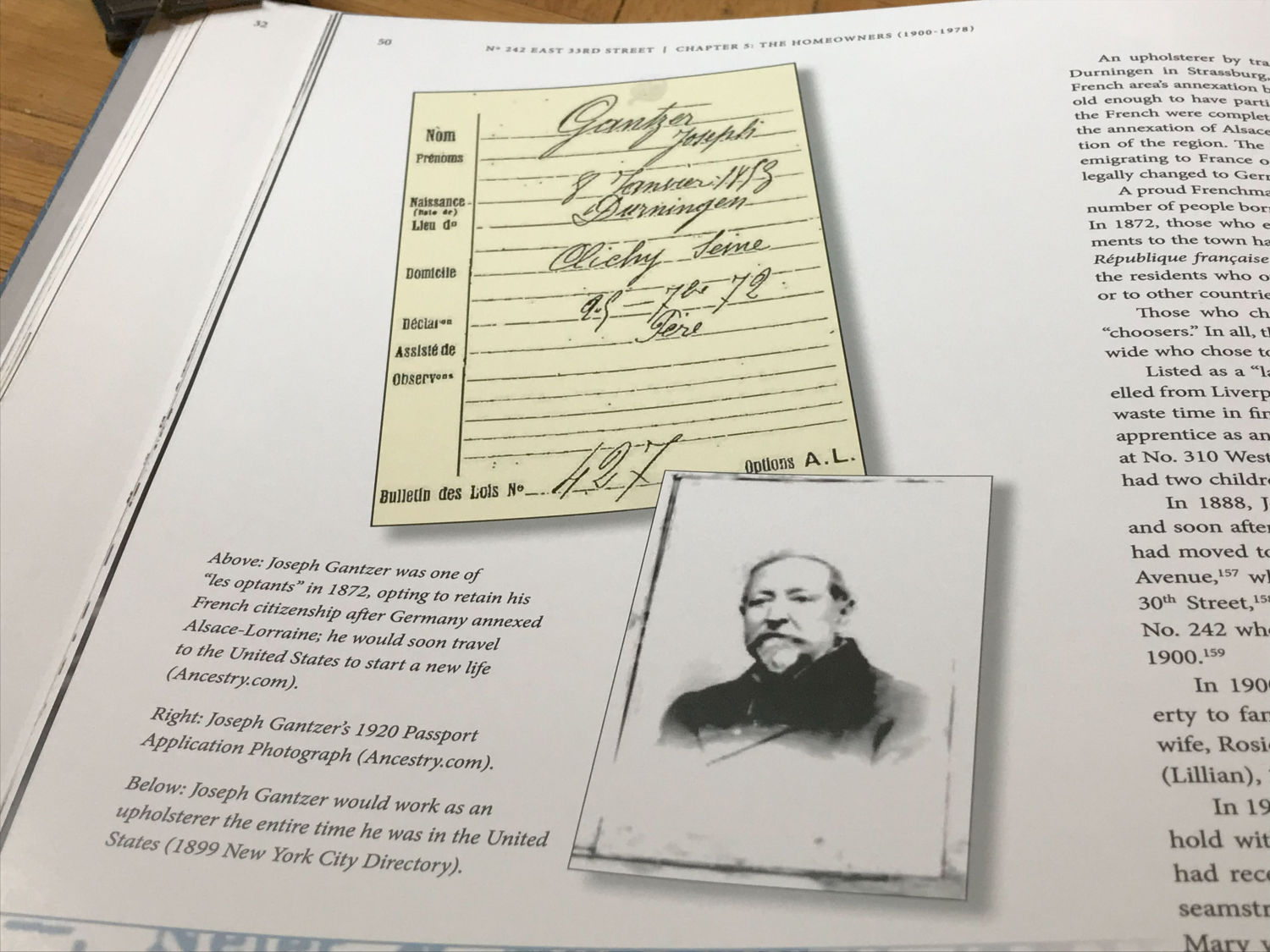
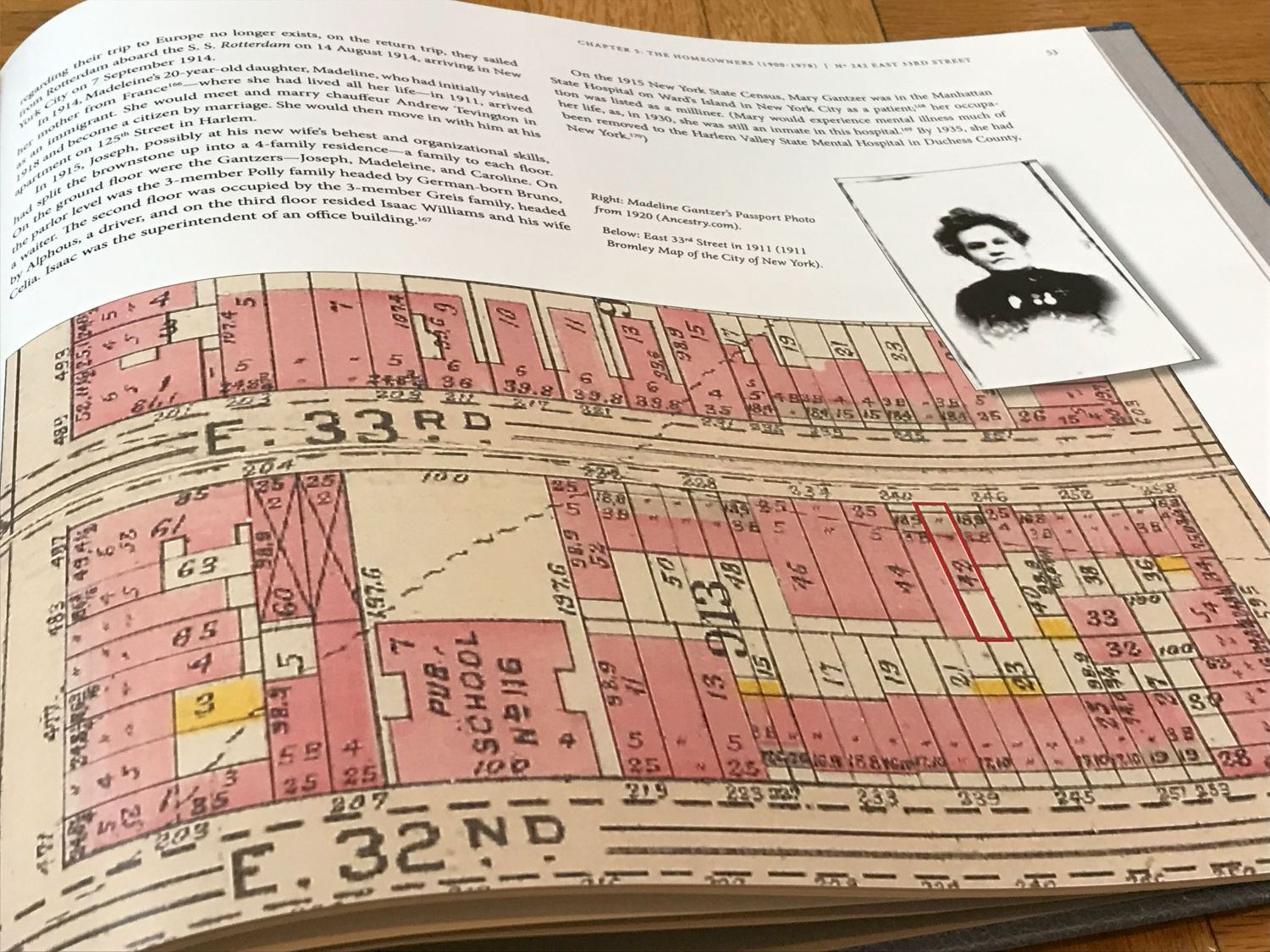
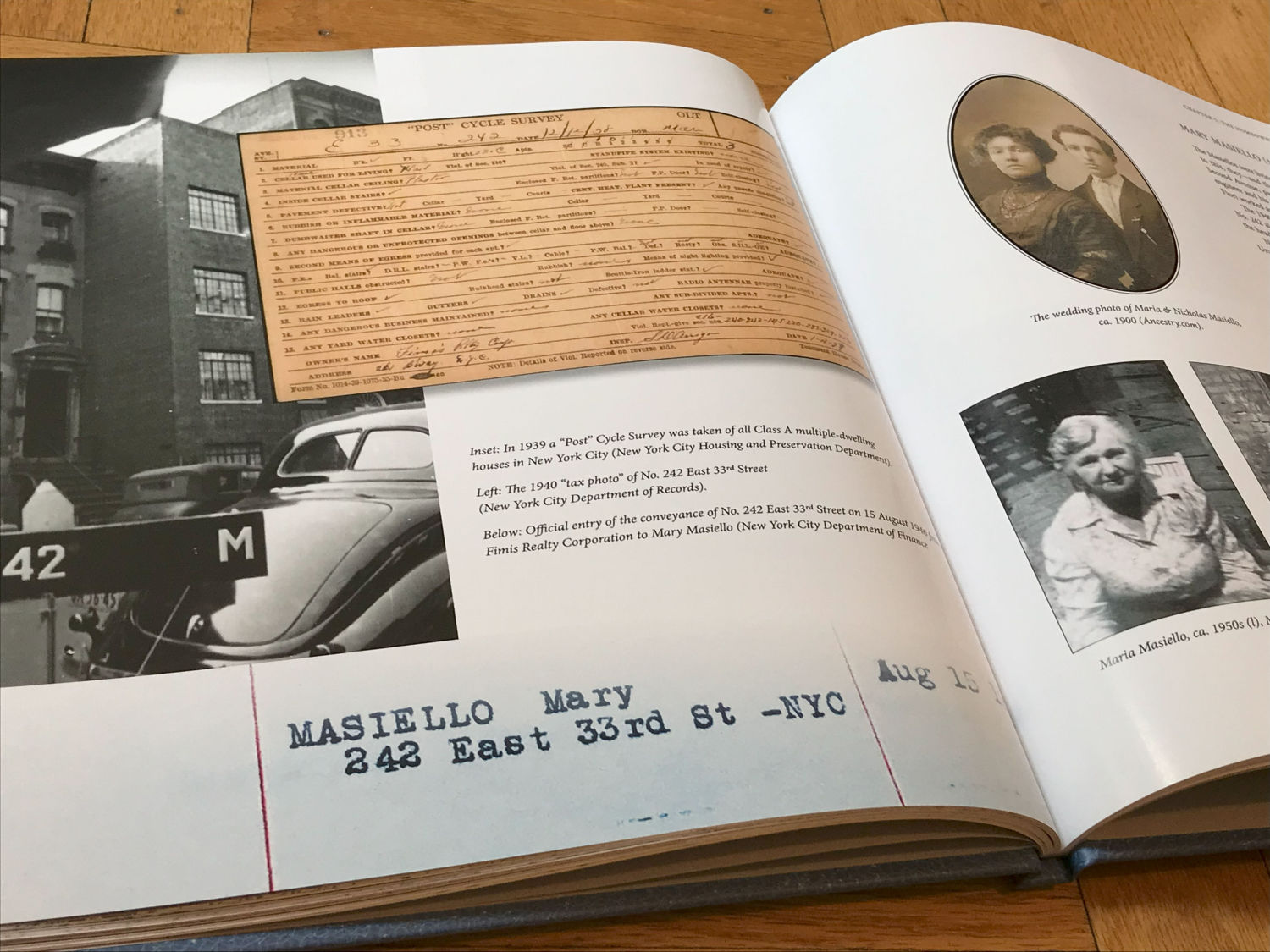
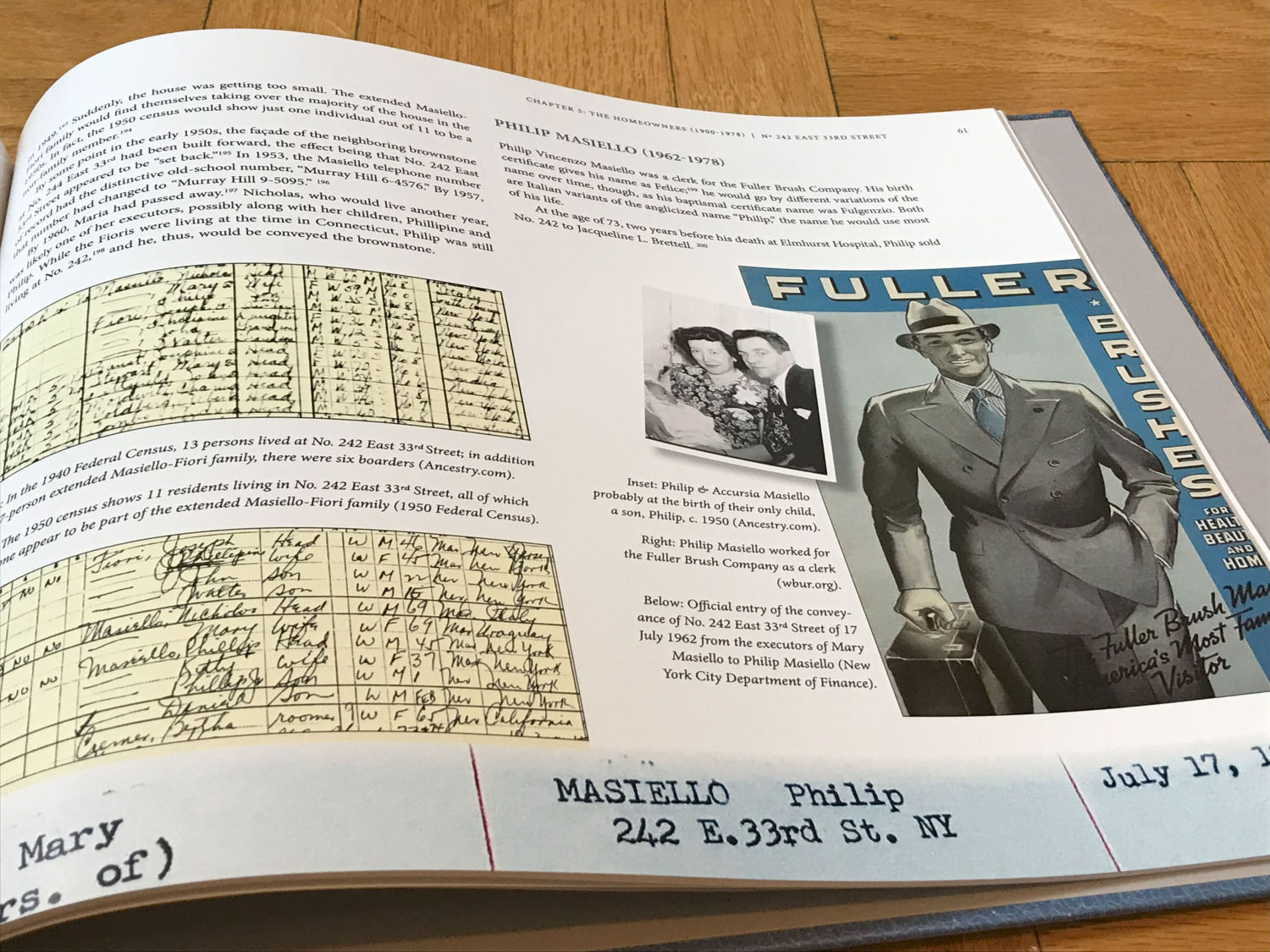
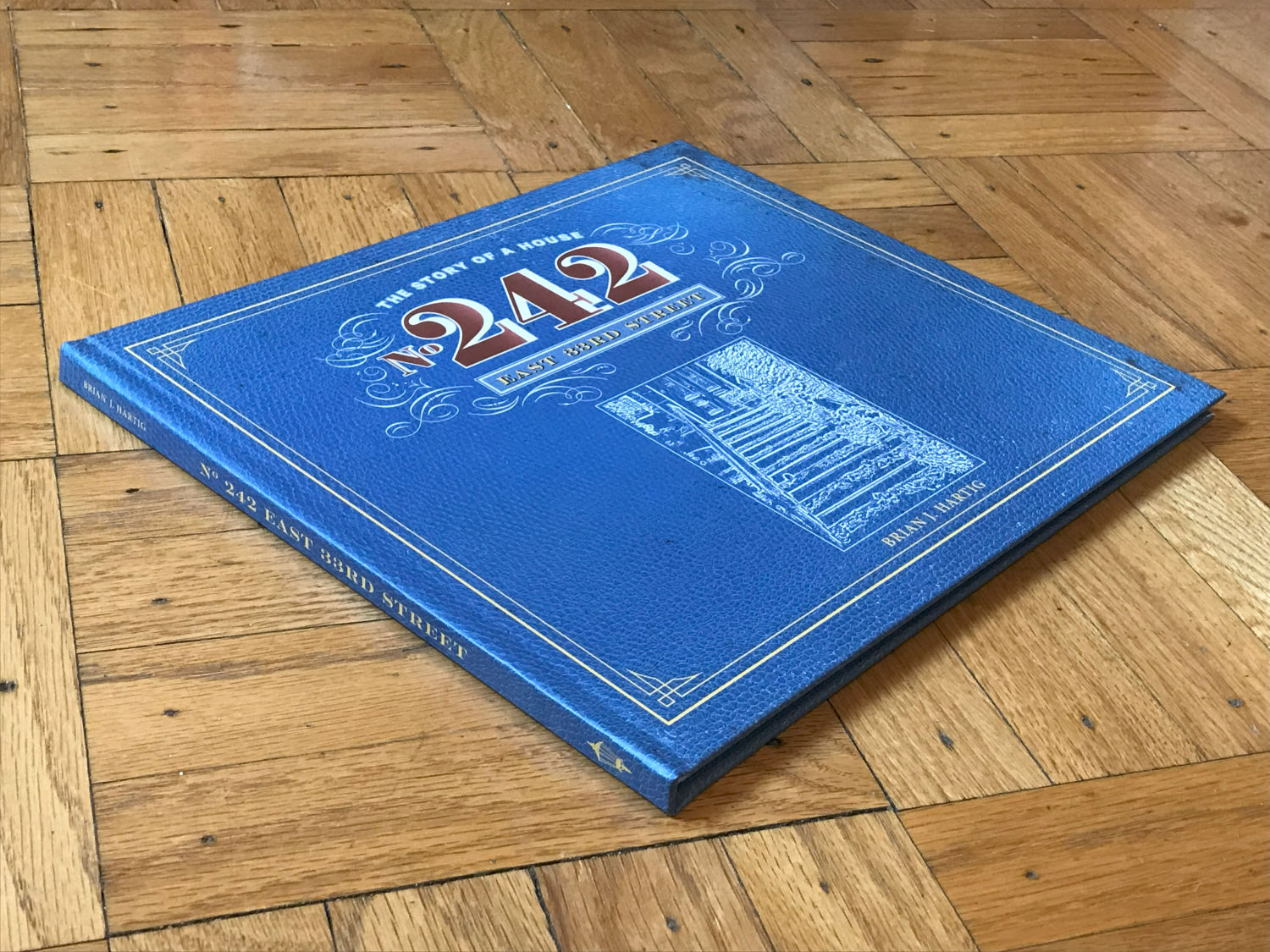
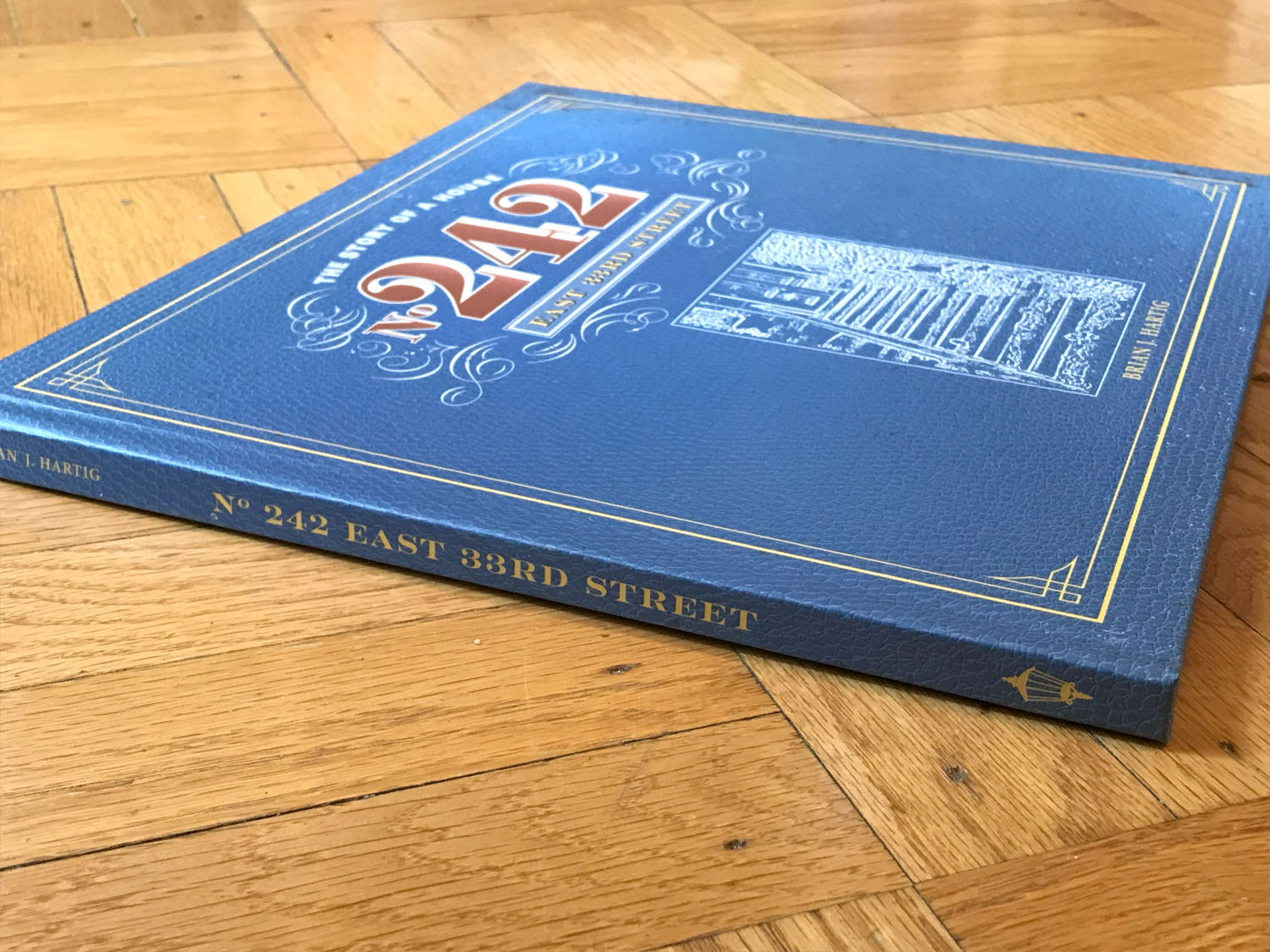
"The Story of a House: No. 242 East 33rd Street" is a 100-page "image-wrap" Coffee Table House History Book that reveals the 400-year history of the Kips Bay section of New York City through the prism of a single Italianate style “brownstone-front” house and the land that it was built upon. Subsequent to the land's ownership by multiple “Gentlemen,” merchants, and real estate investors, the property was built in 1861 in a fashionable “uptown” section of New York City for a dry goods magnate who immediately, upon its completion, conveyed it to his son, who began to rent the property to middle-class families. The first resident was Joseph Antonio Vignier, a French military officer who had fled his country following an unsuccessful coup staged by Louis-Napoleon Bonaparte. When the American Civil War broke out, Vignier was commissioned an officer in the D'epineuil Zouves unit and was killed in combat during "The Charge of Roanoke." The property would continue to house families as a rental over the next 30 years, subsequently becoming the home to its owners starting in the 1890s. By the turn of the century, another French national, hailing from Alsace-Lorraine, fled German occupation and forced removal, immigrating to the United States to restart his life. The townhouse went through numerous renovations and remodels as it was divided up to fit the lifestyles of its new owners. Eventually, in the 1930s, it became - like many brownstones in the area at the time - a boarding house. By 1940, it was holding two families and five boarders. Today, the house is once again the home to a single family that has owned and occupied it since 1978. -
57 Willow Street
-
57 Willow Street
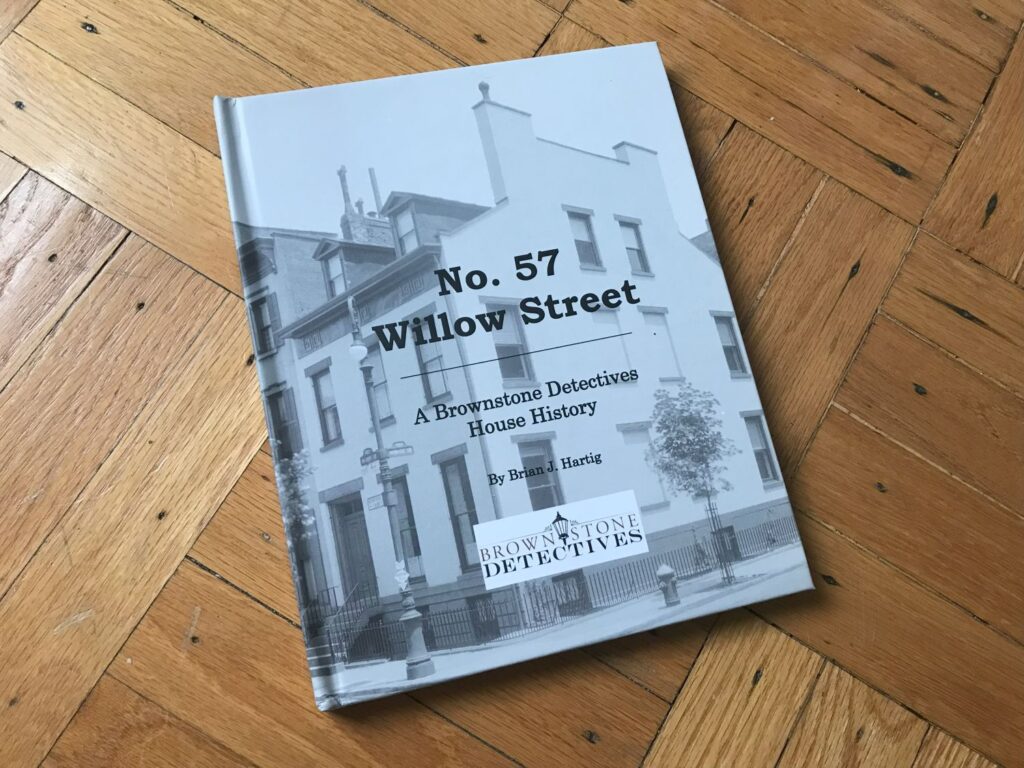
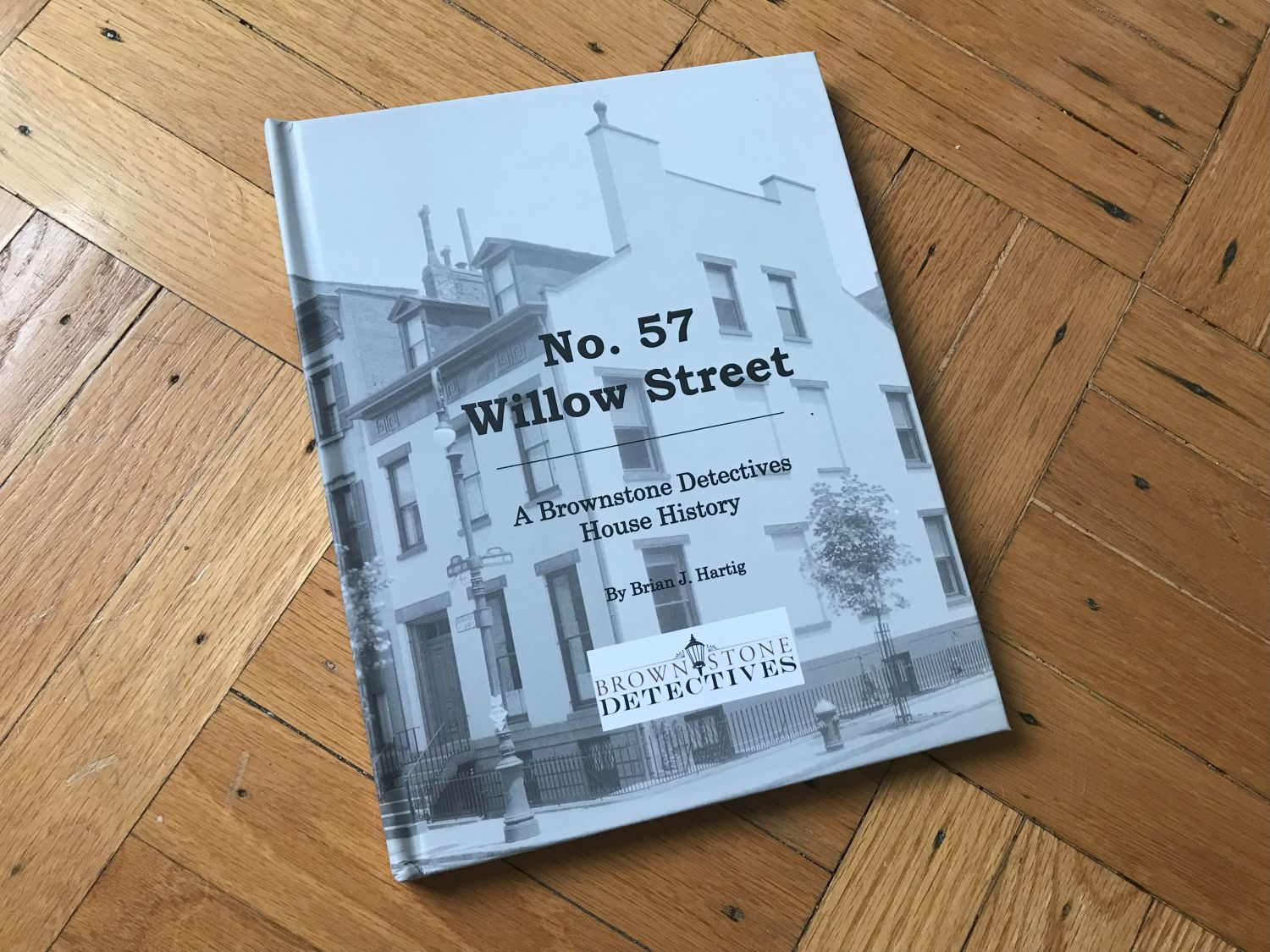
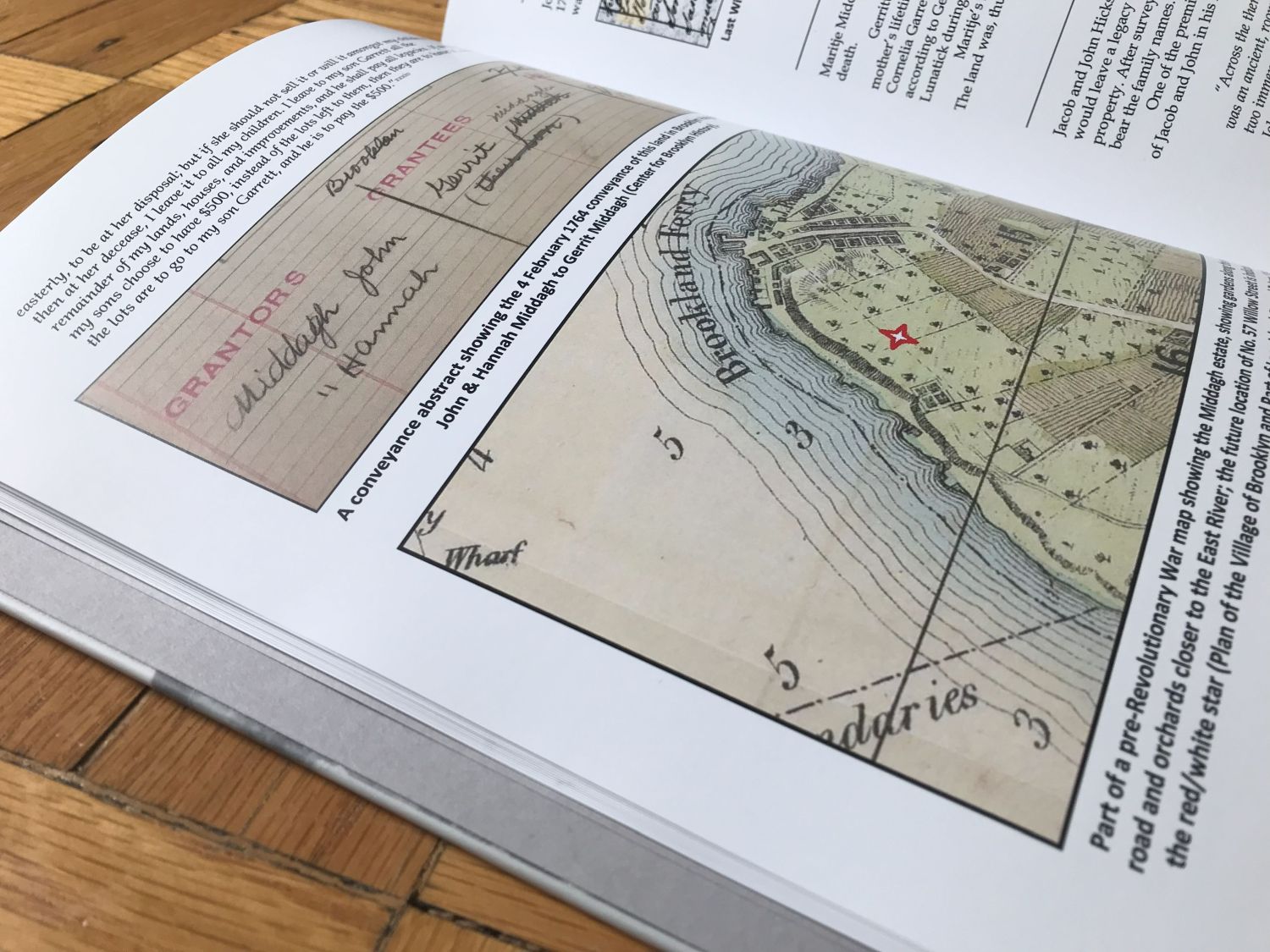
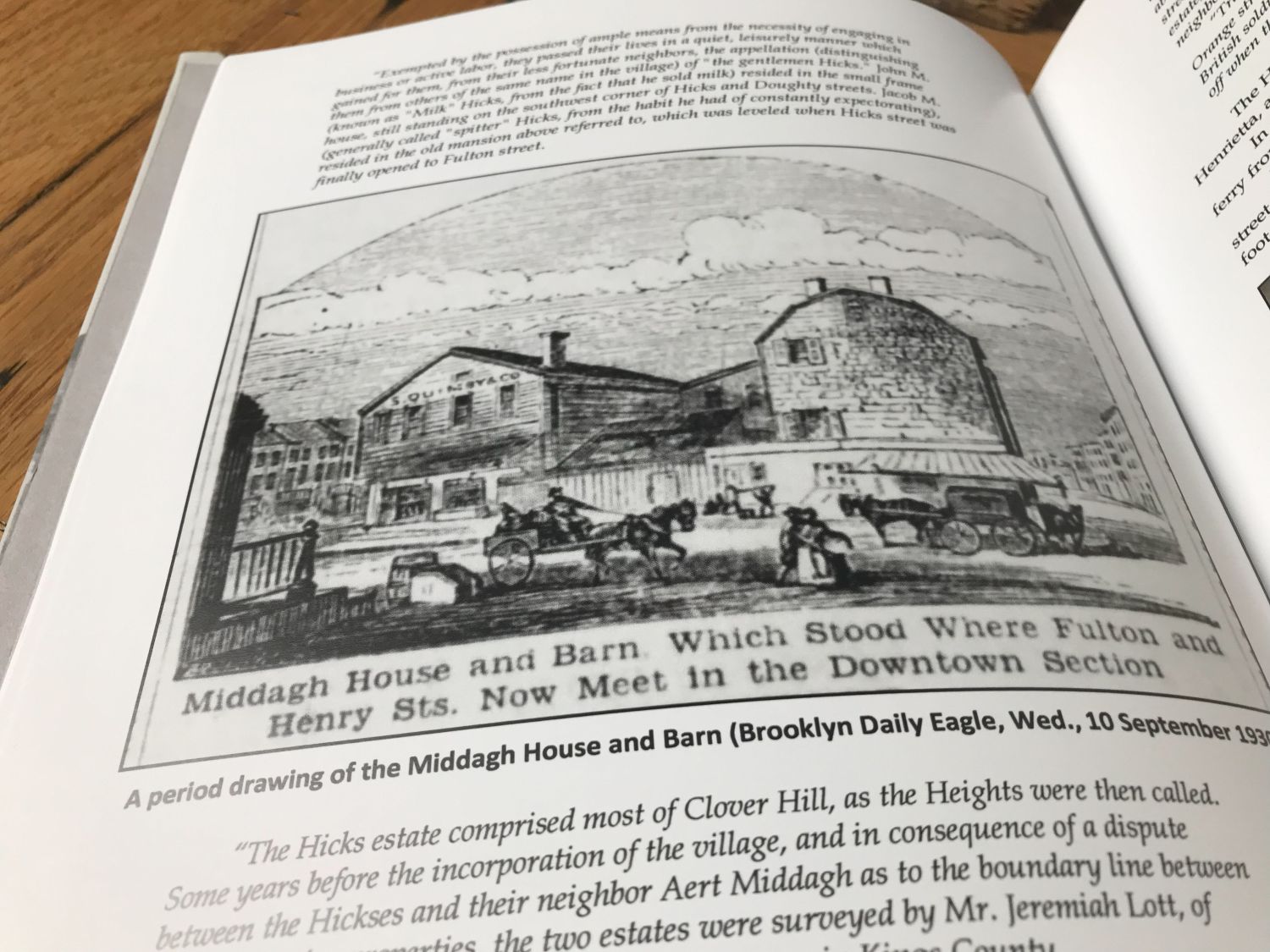
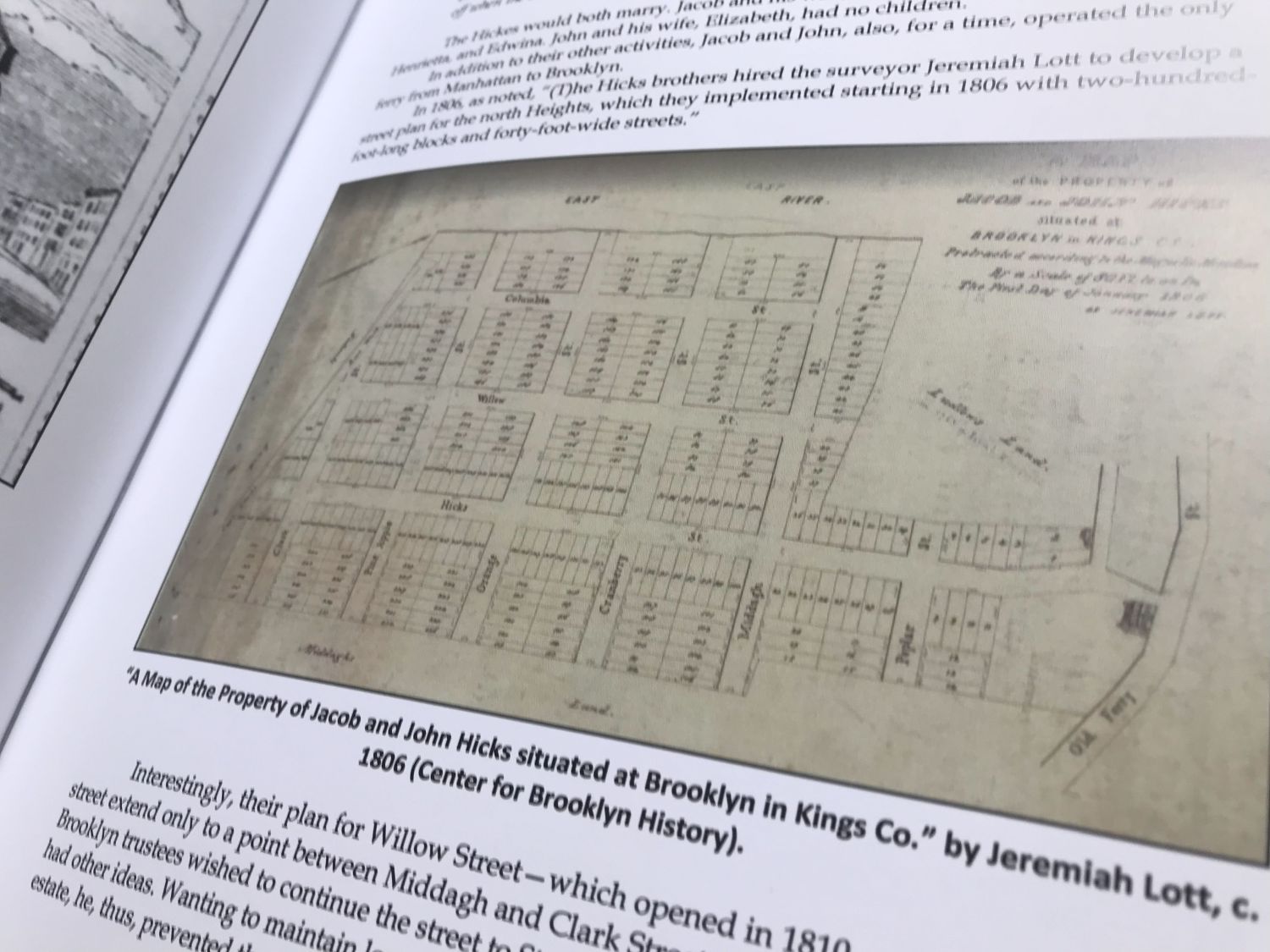
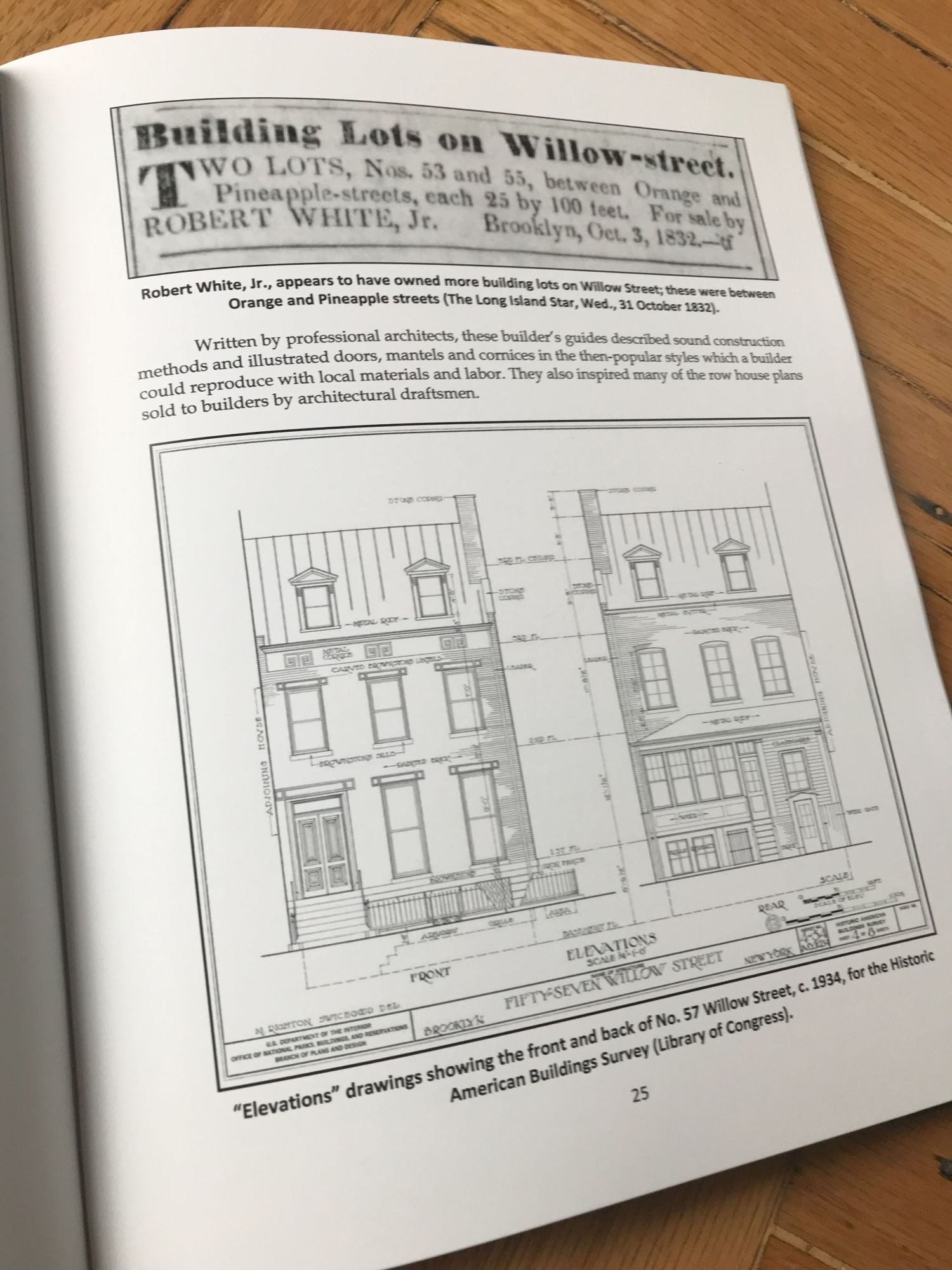
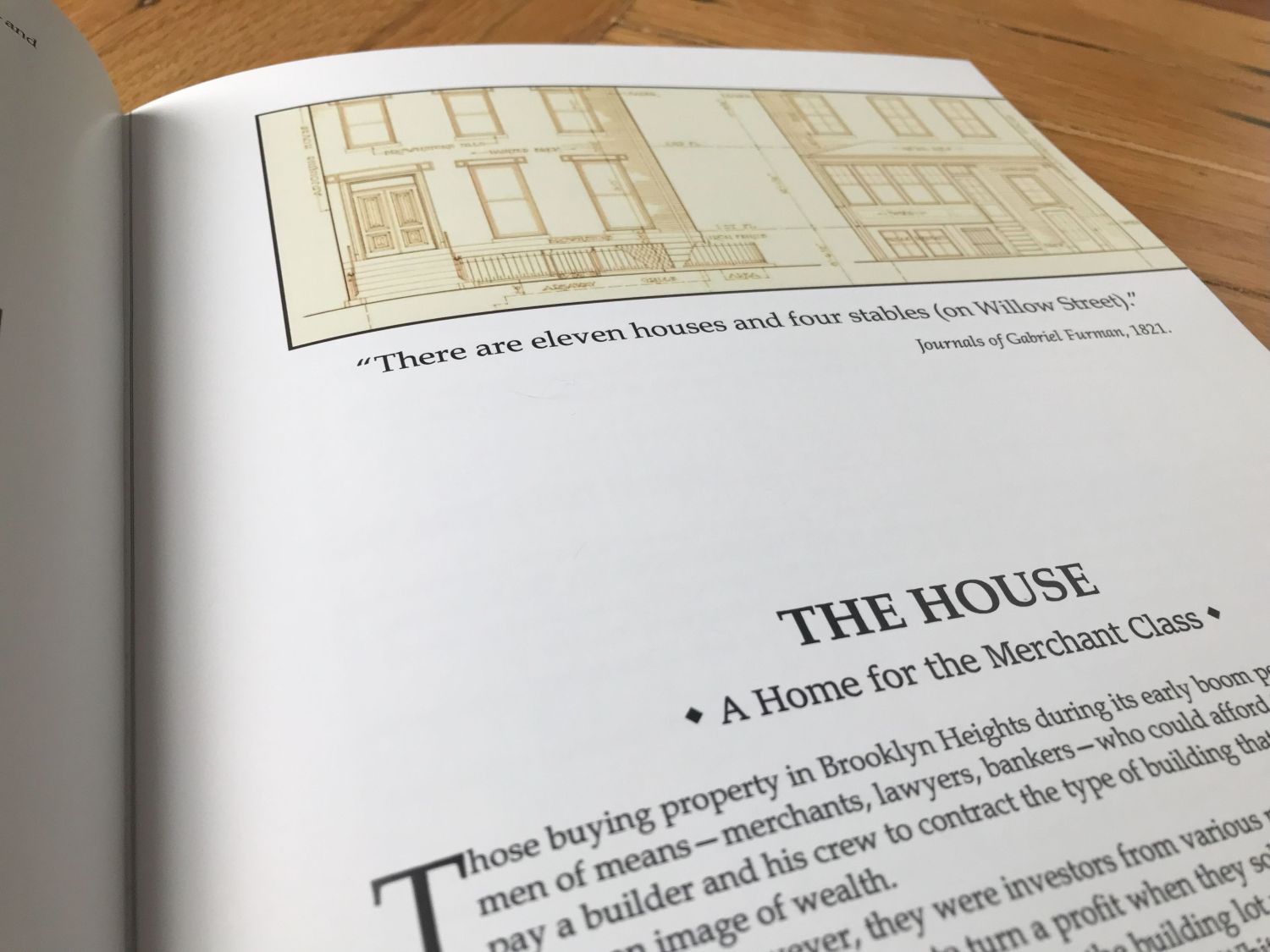
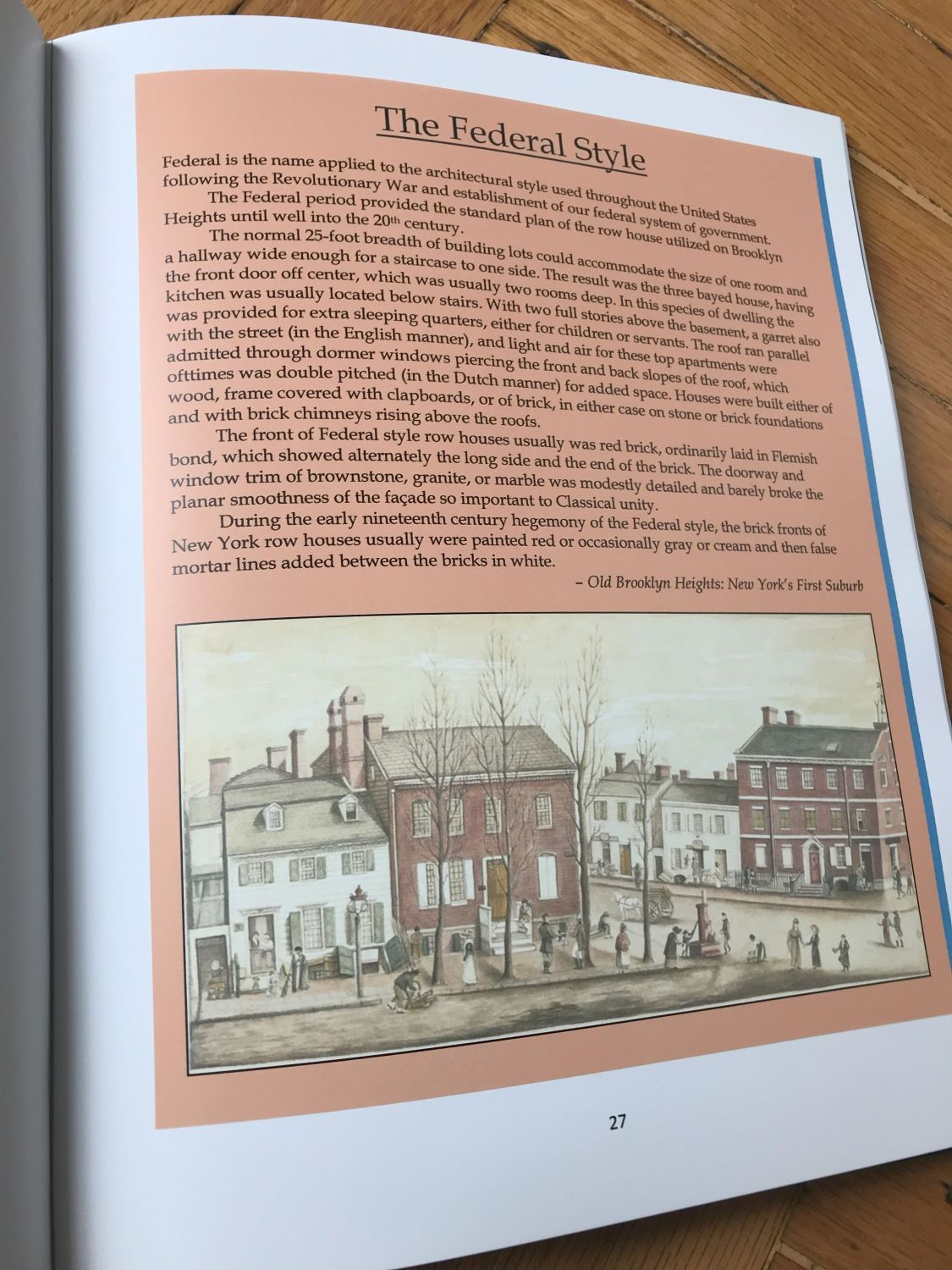
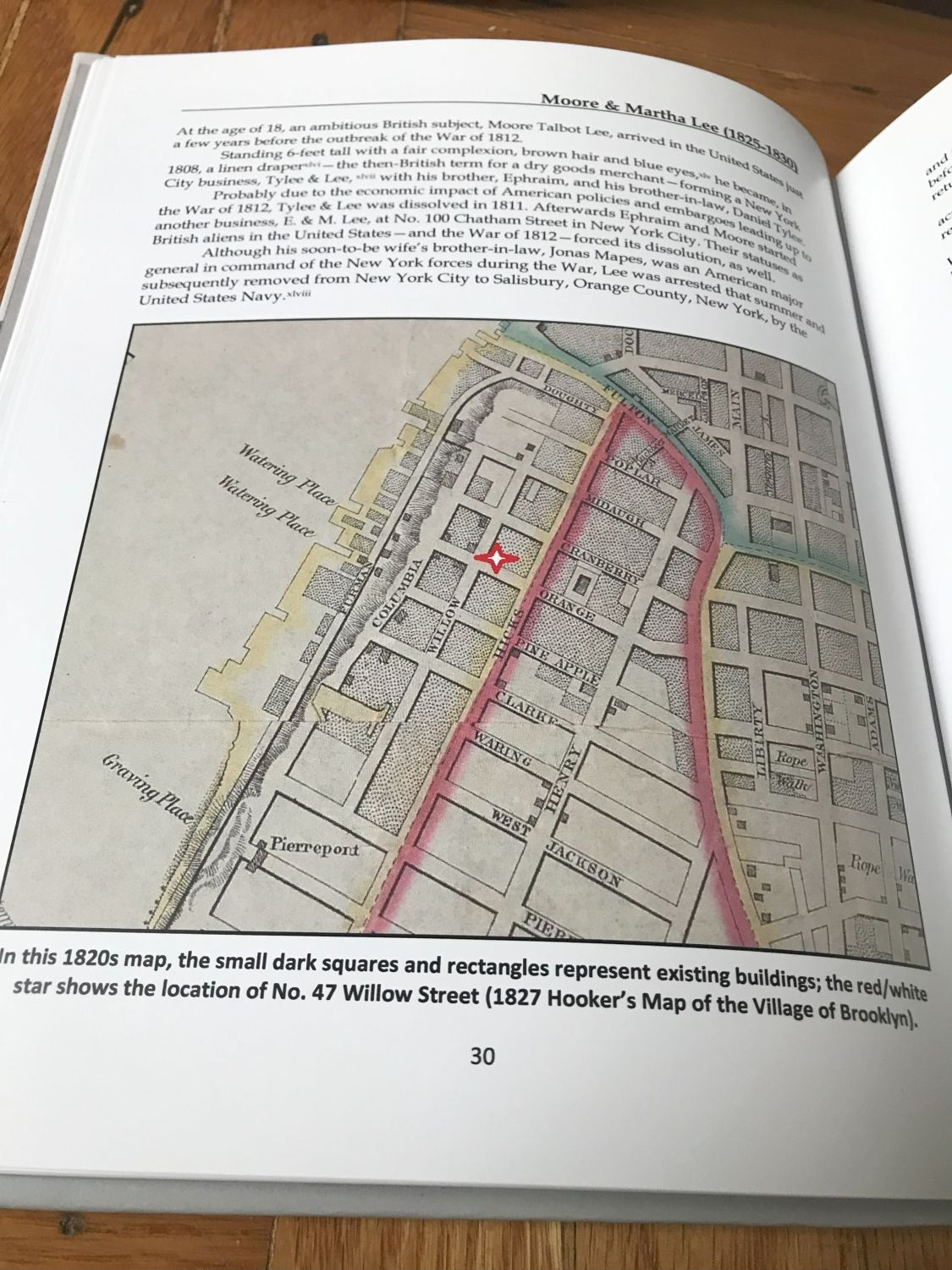
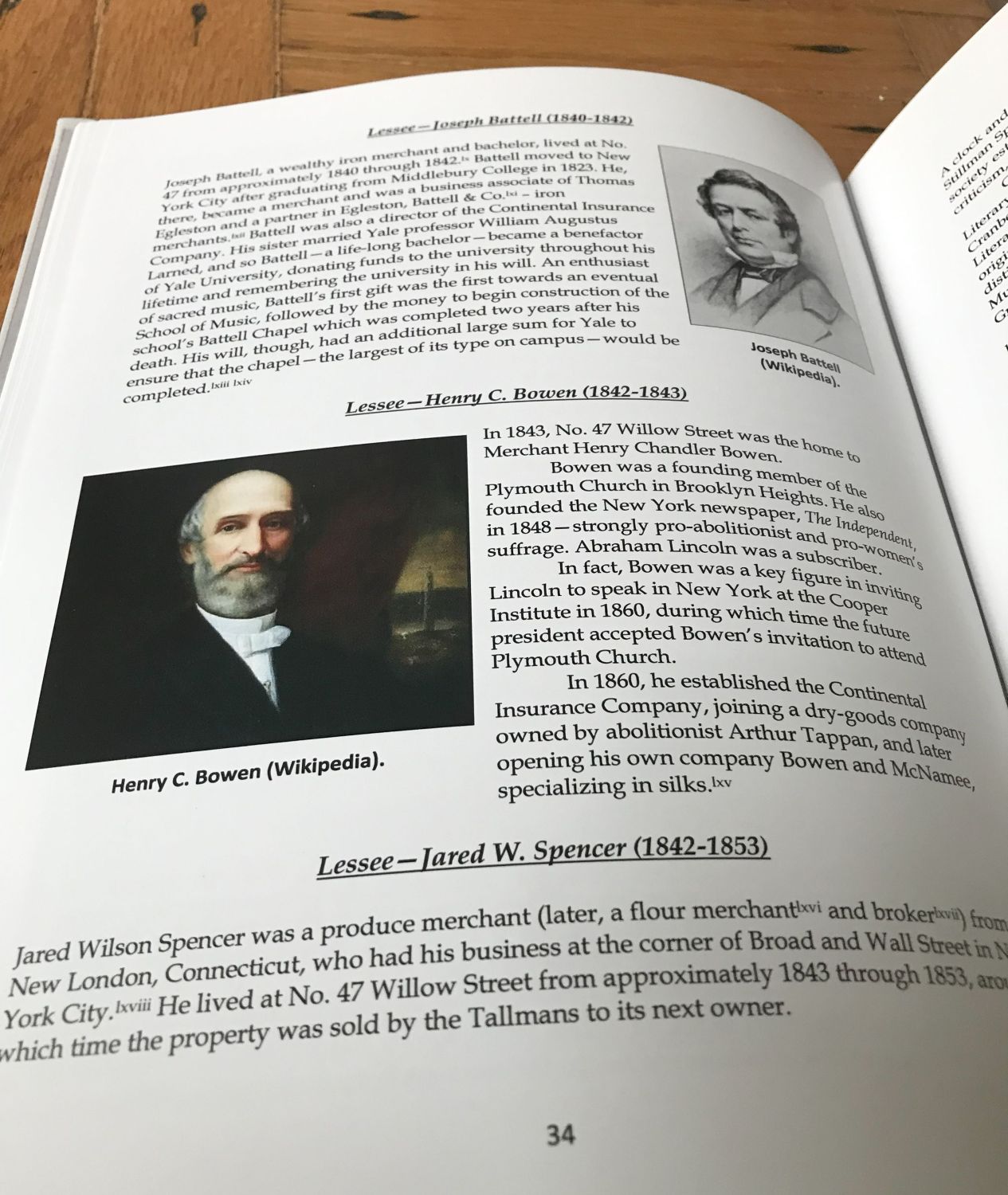
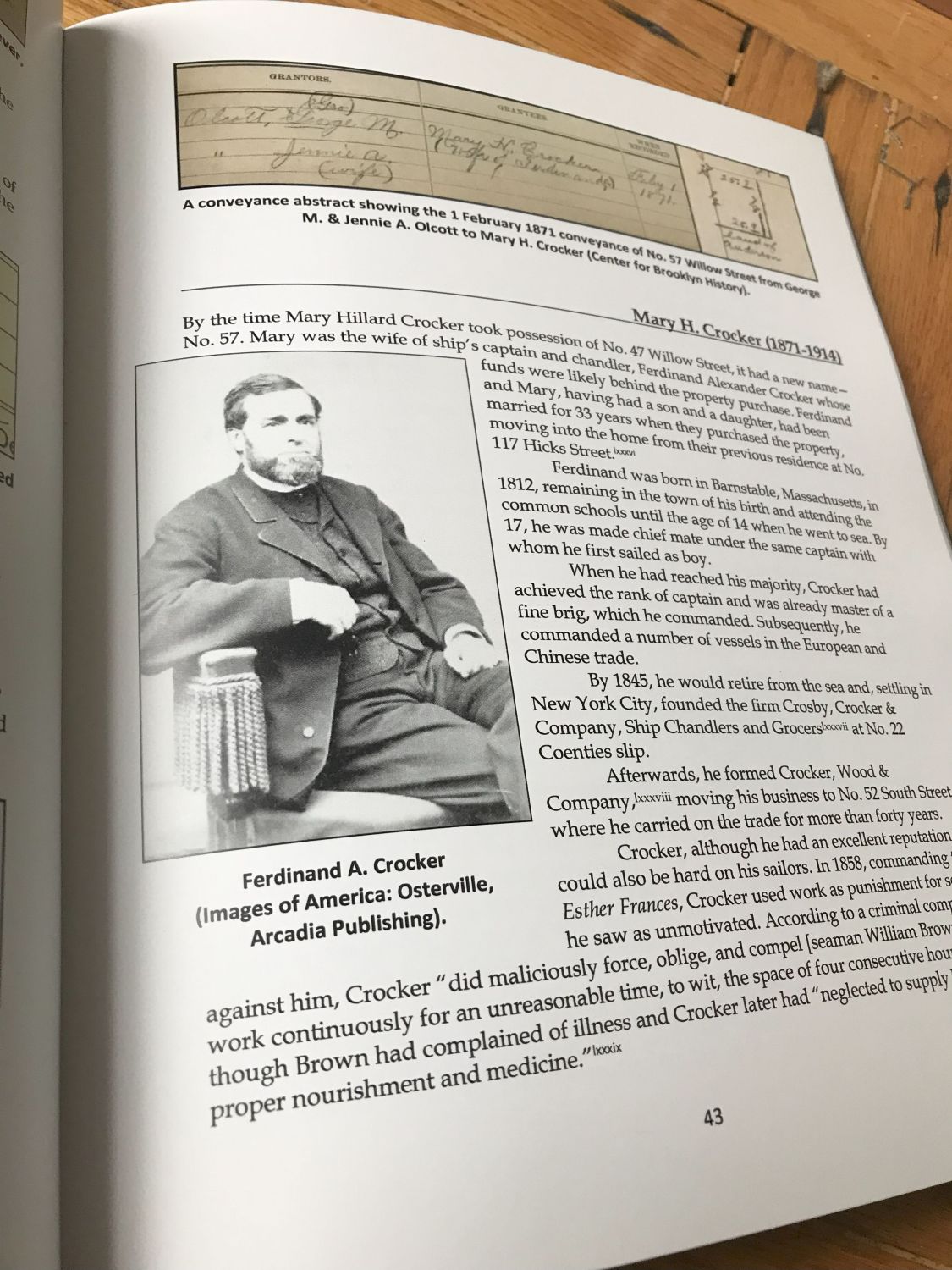
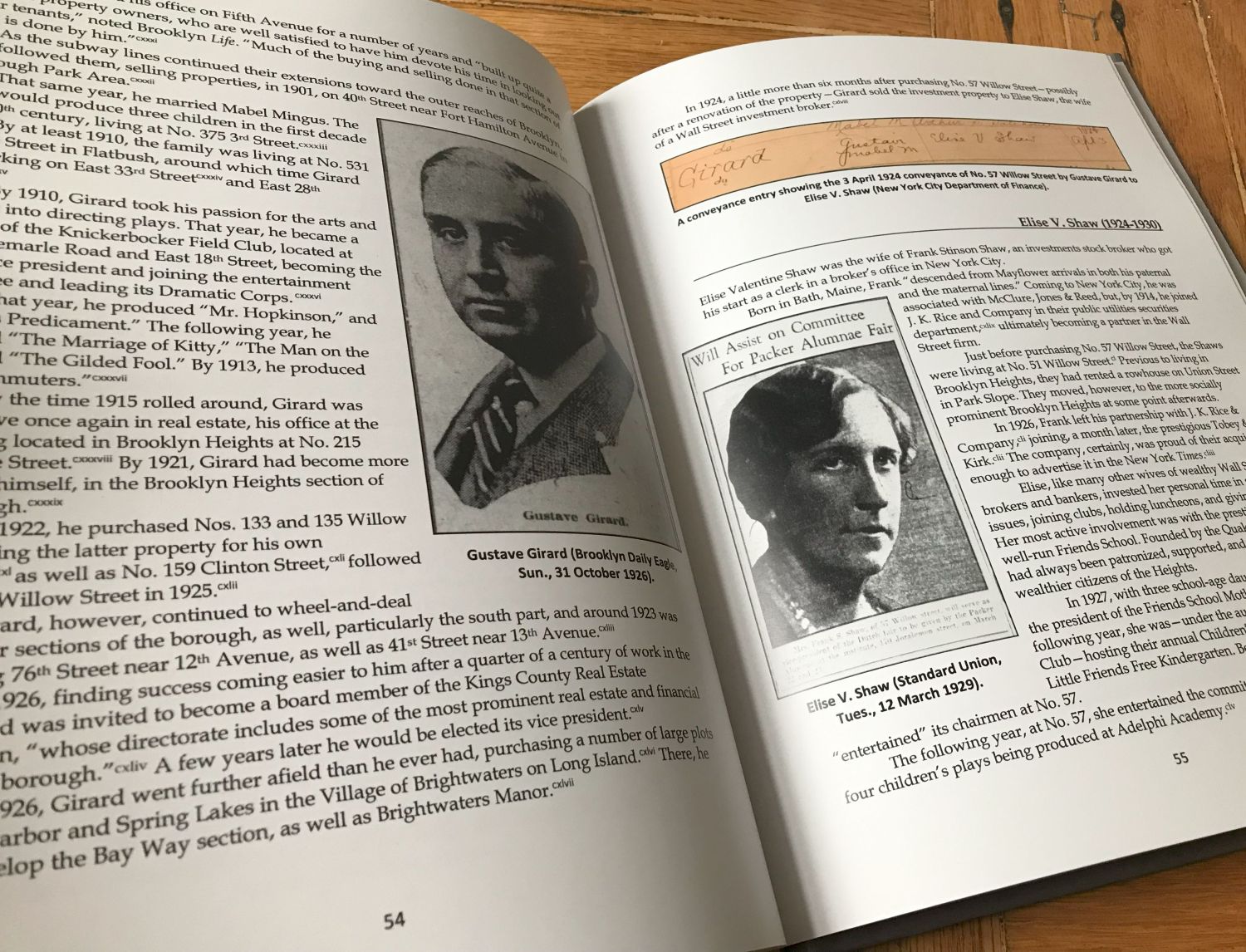
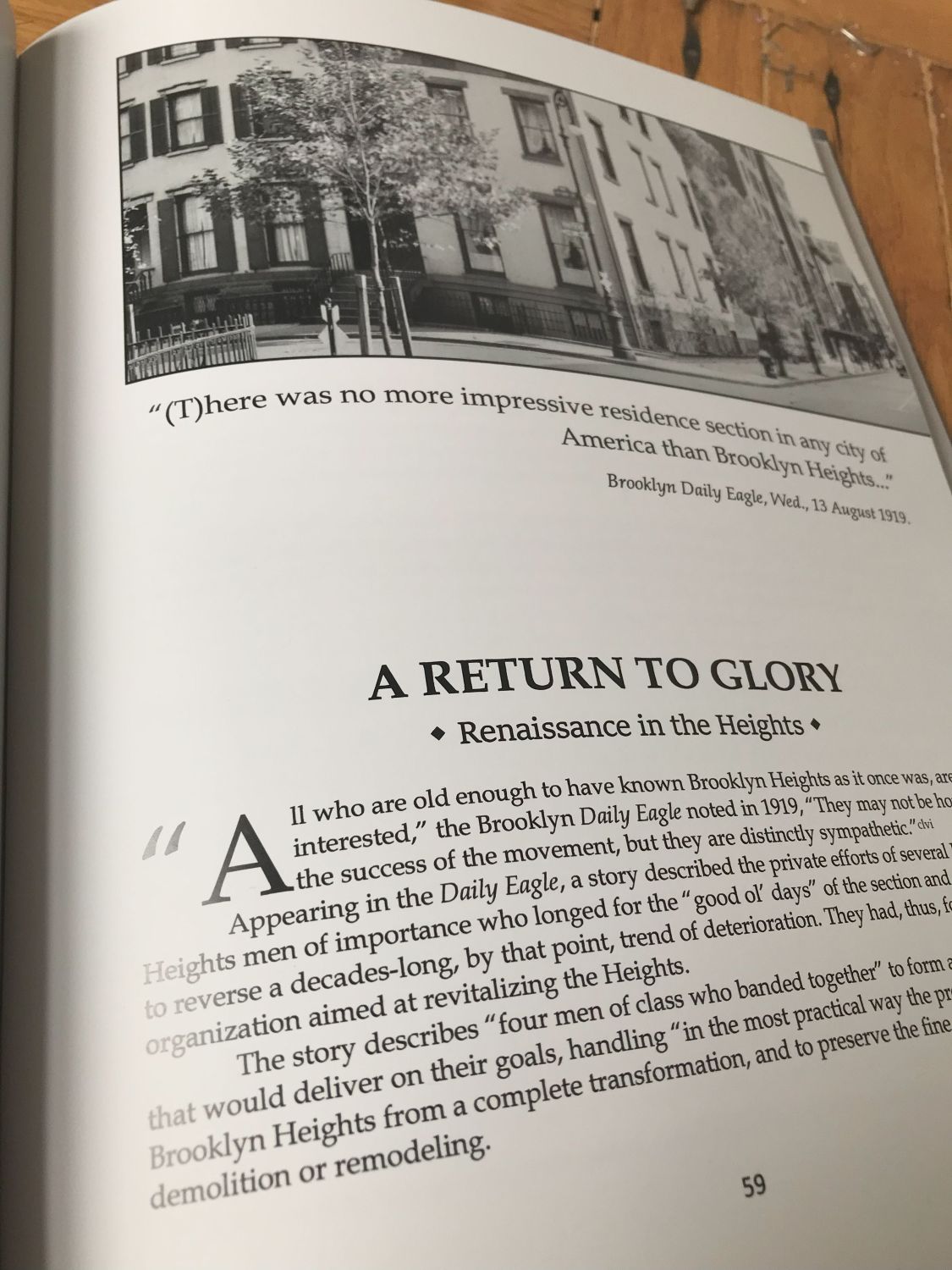
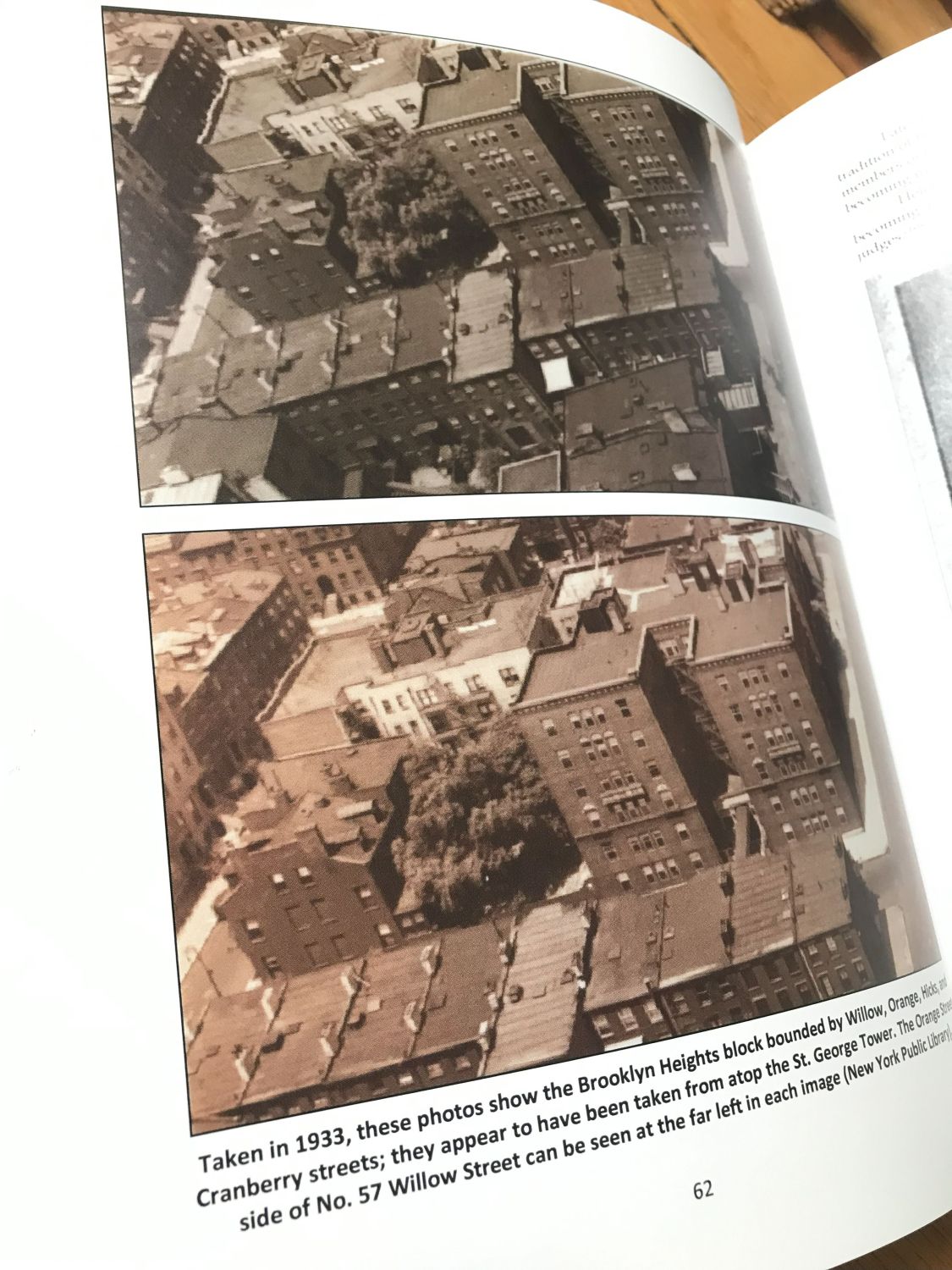
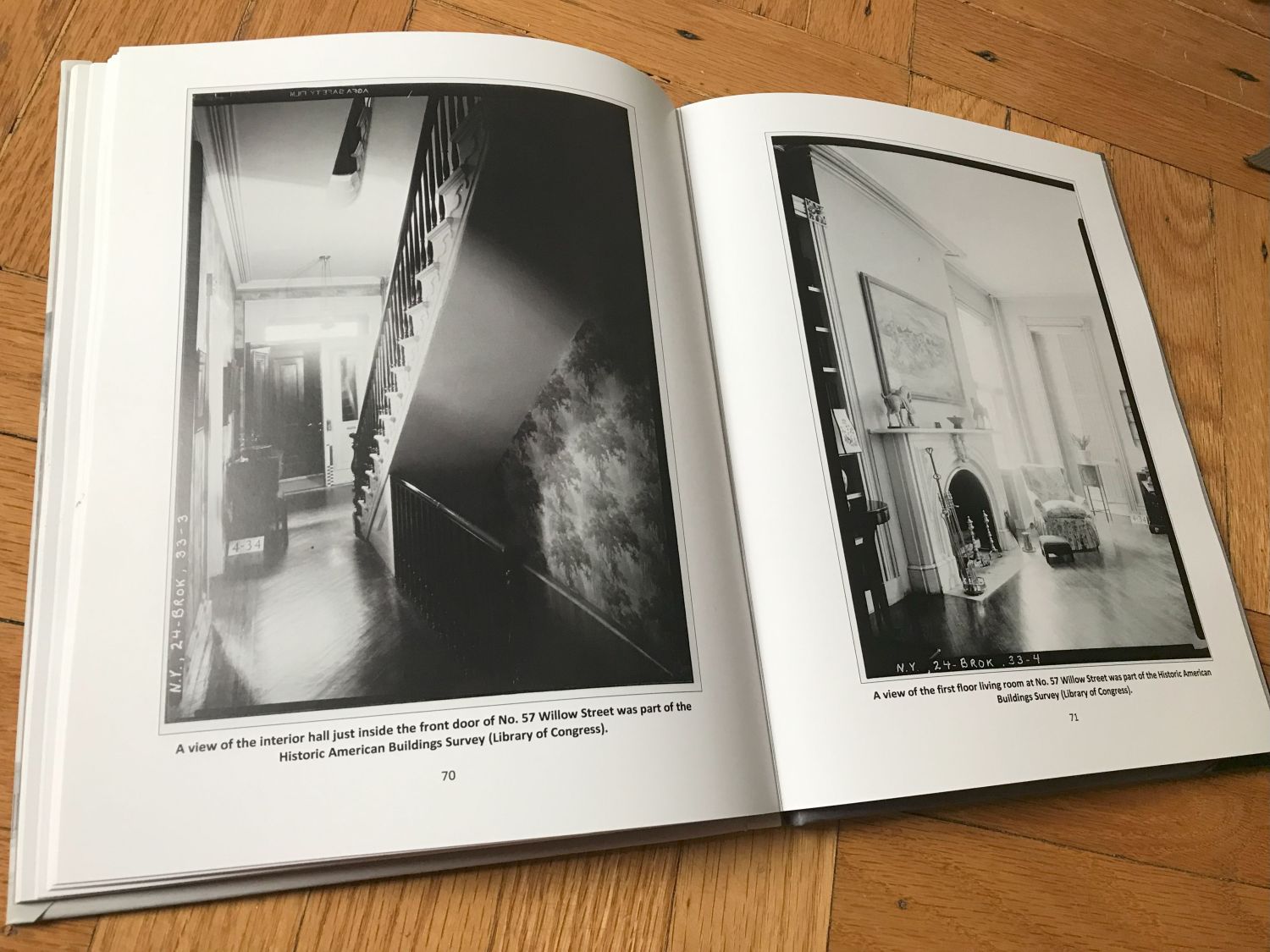
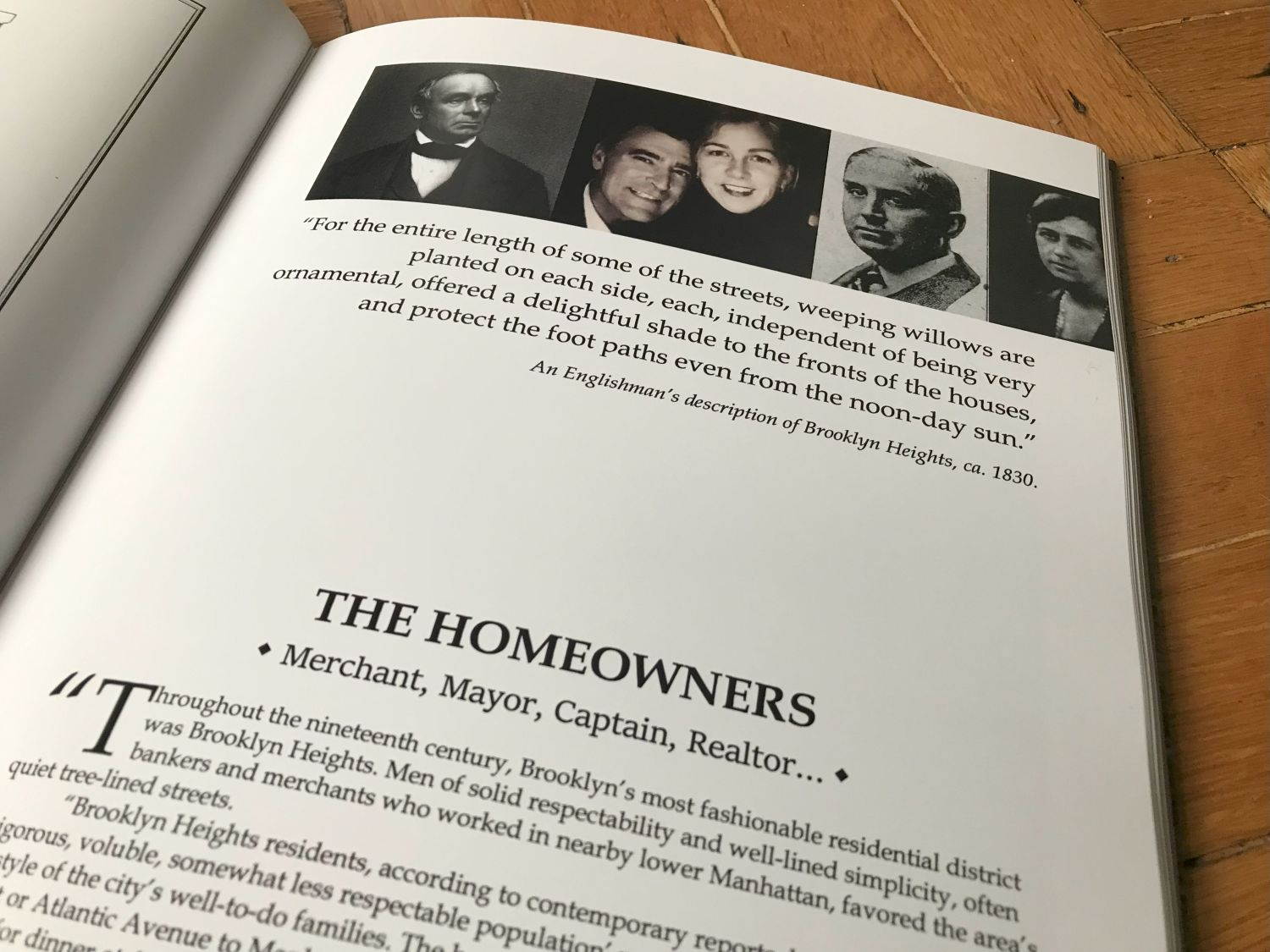
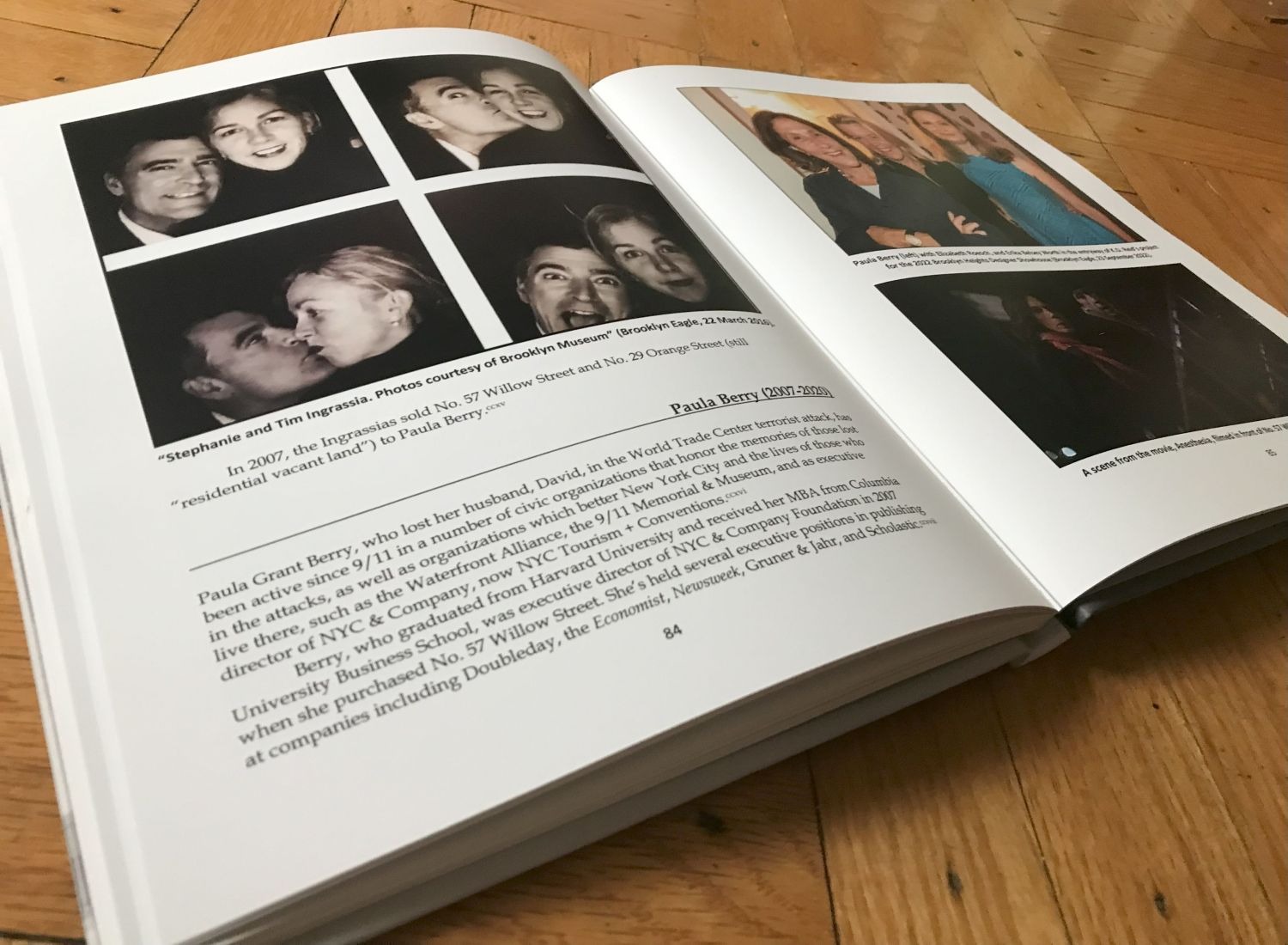
Happy 200th Birthday, No. 57 Willow Street! This landmarked property—originally given the address, No. 47—first sheltered a British dry goods merchant who, during the War of 1812, was detained by the government as a foreign enemy. After approximately four years of ownership, he sold the property to future Brooklyn Mayor George Hall. The next several owners comprised merchants of different types. One of those merchants was Henry C. Bowen, who was instrumental in inviting the future-President Abraham Lincoln to New York City to give the historic speech that would propel him to the presidency. Bowen also invited Lincoln to come to Brooklyn to attend a sermon of the Rev. Henry Ward Beecher at Plymouth Church. As the church was near Bowen’s home, he invited Mr. Lincoln—while standing on the sidewalk in front of the house—in for dinner. Other owners included a partner in a drug firm, a ship's captain, and a number of other financiers, one of whom was presented with an award by President Ronald Reagan at the White House. -
14 GARDEN PLACE
-
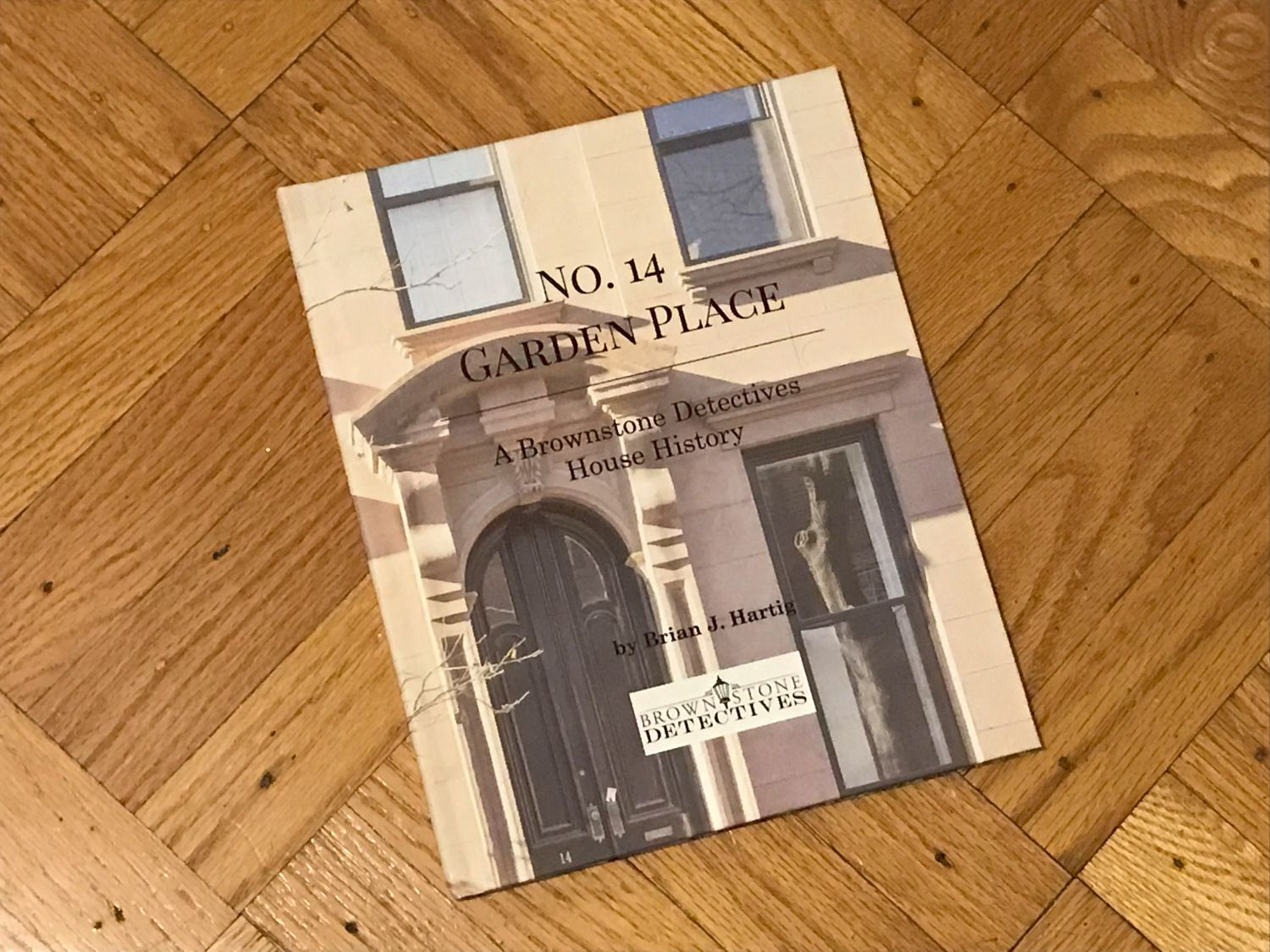
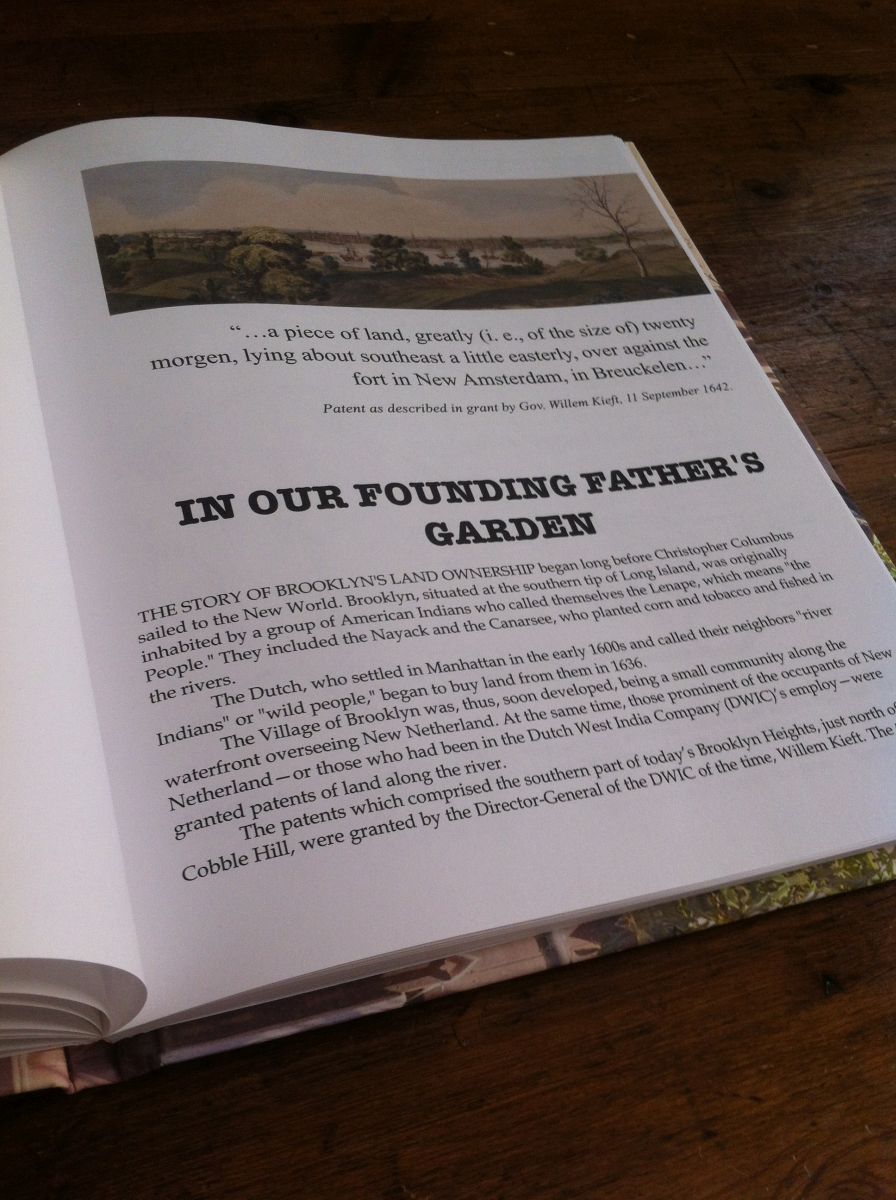
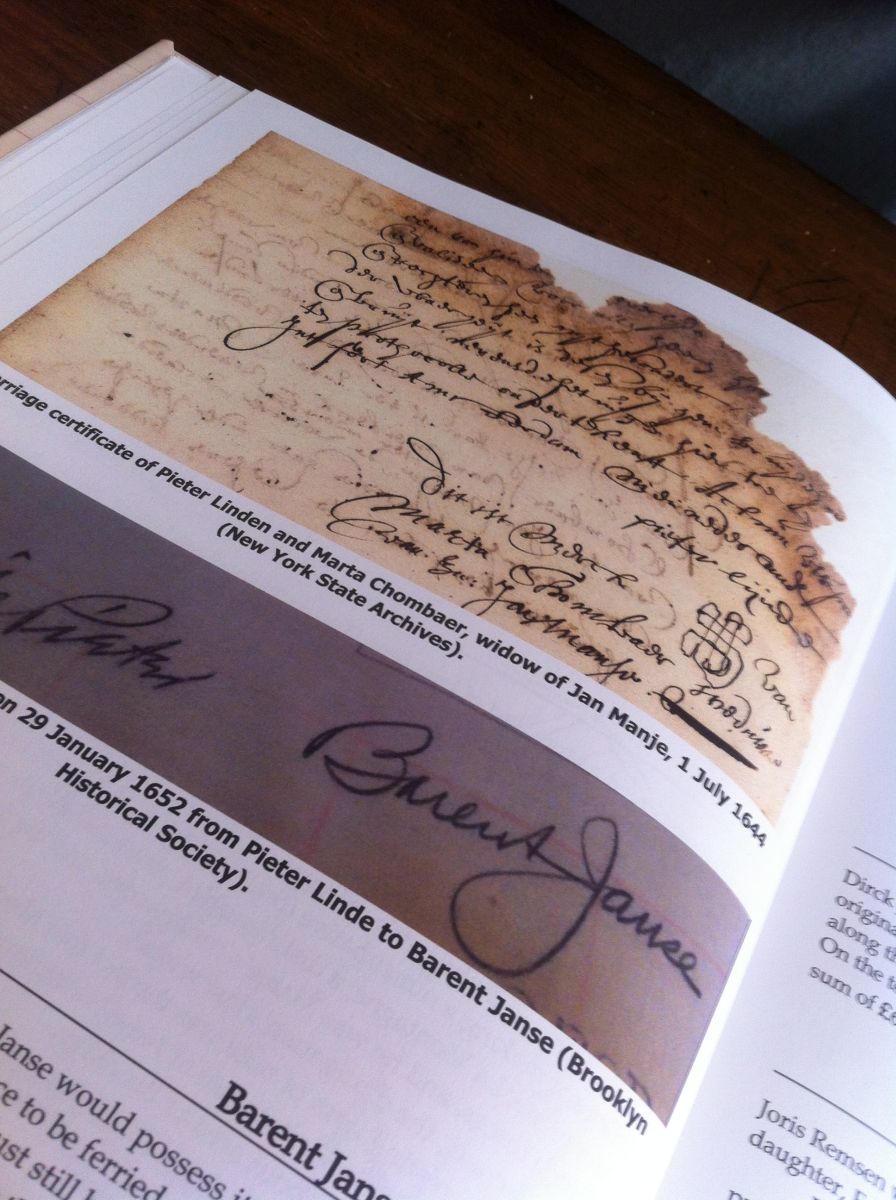
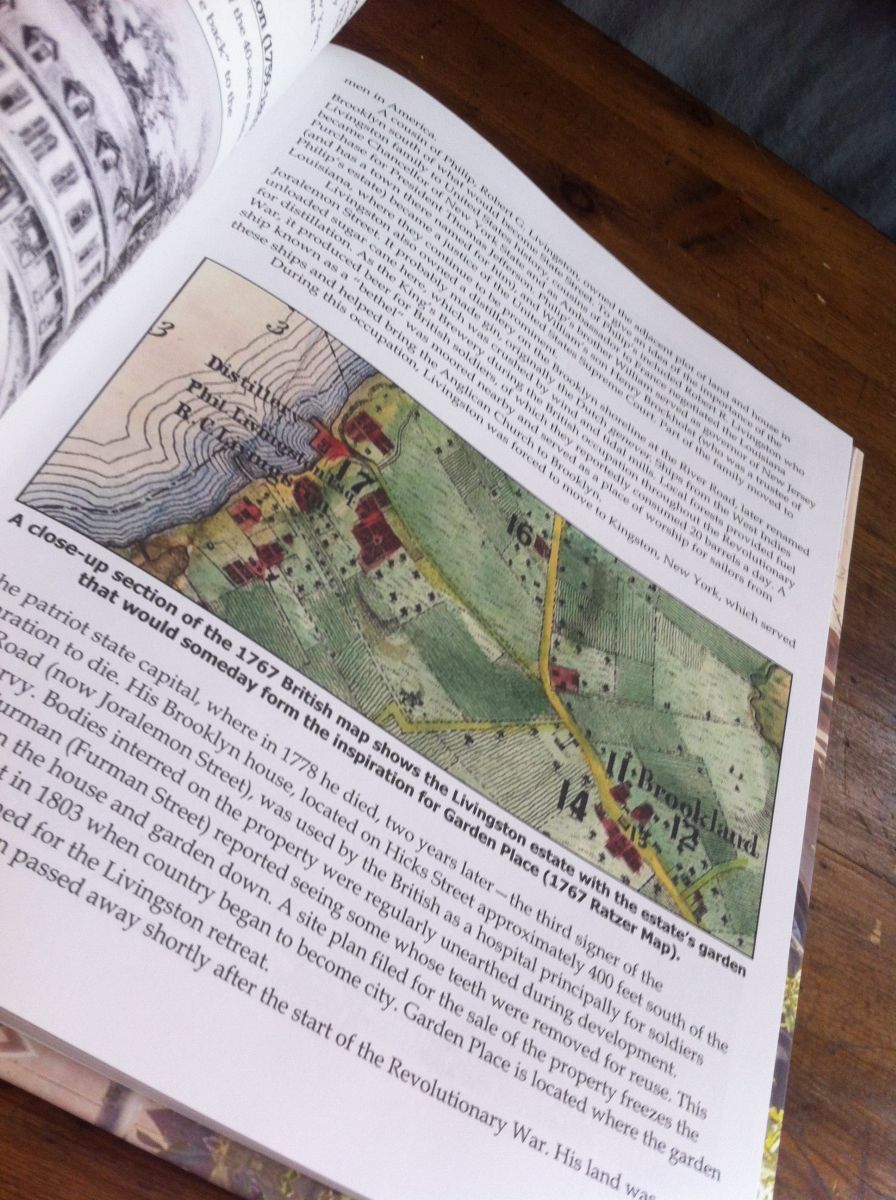
14 GARDEN PLACE
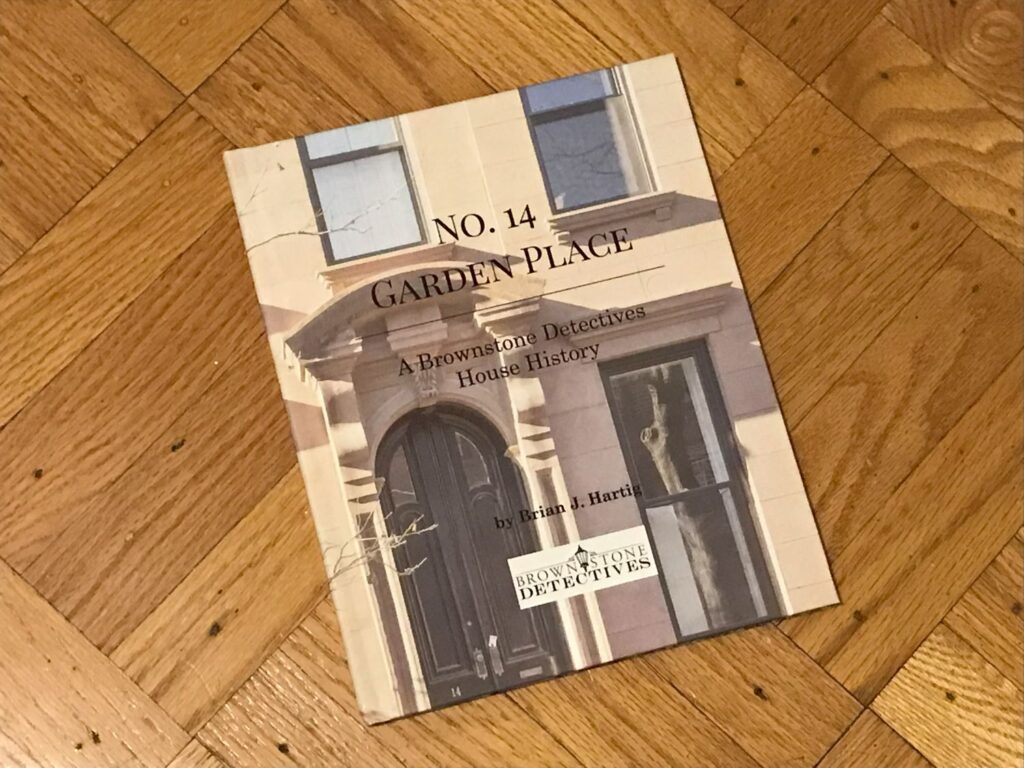
Description to come... -
241 Washington Avenue
-
241 Washington Avenue
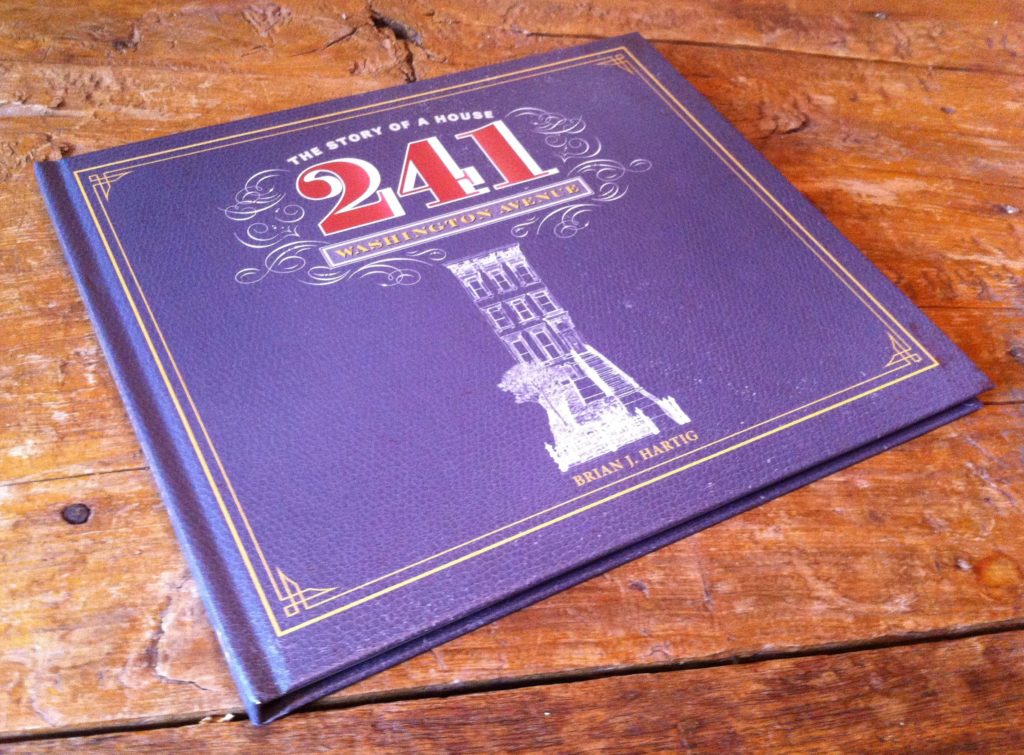
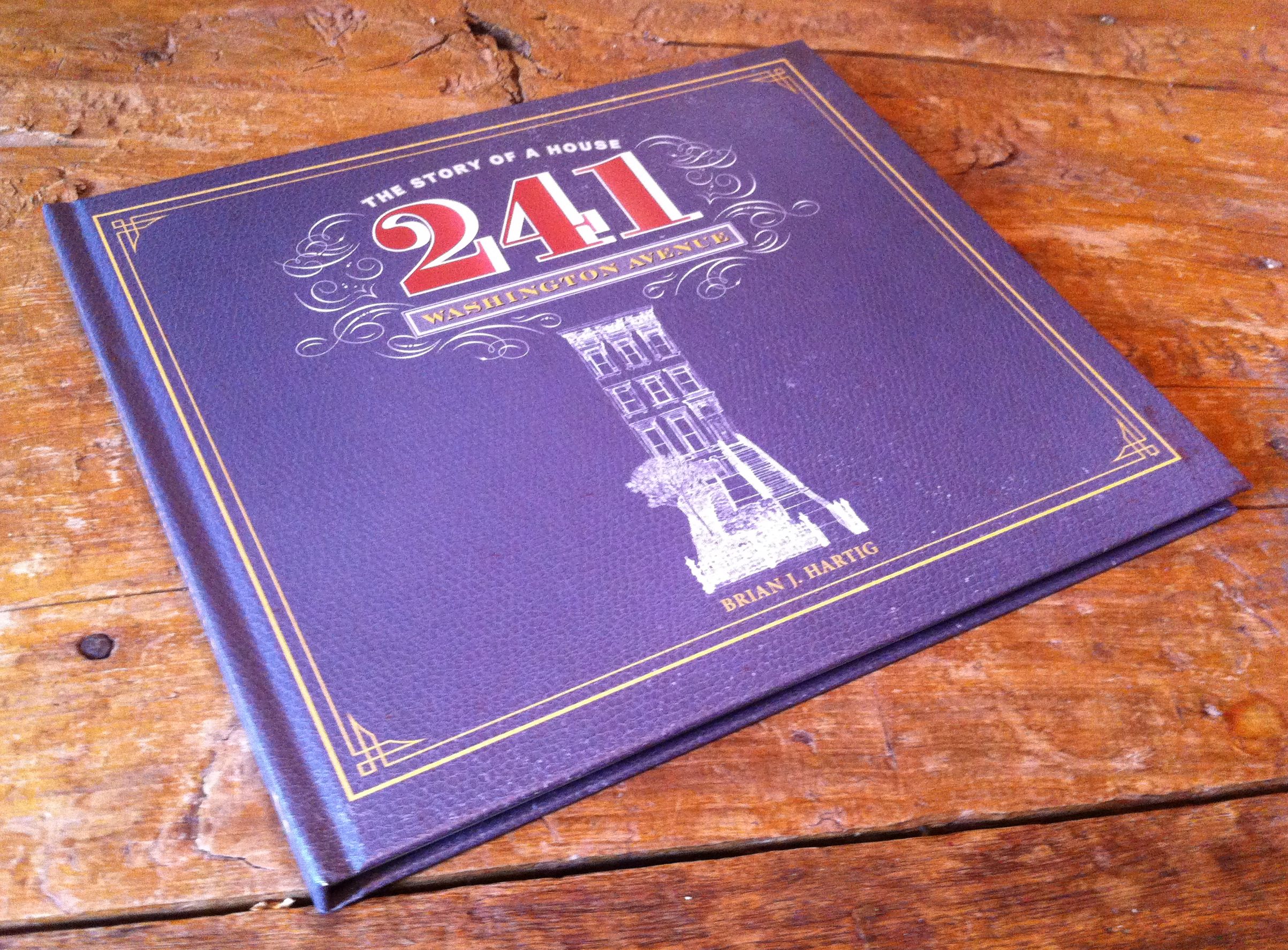
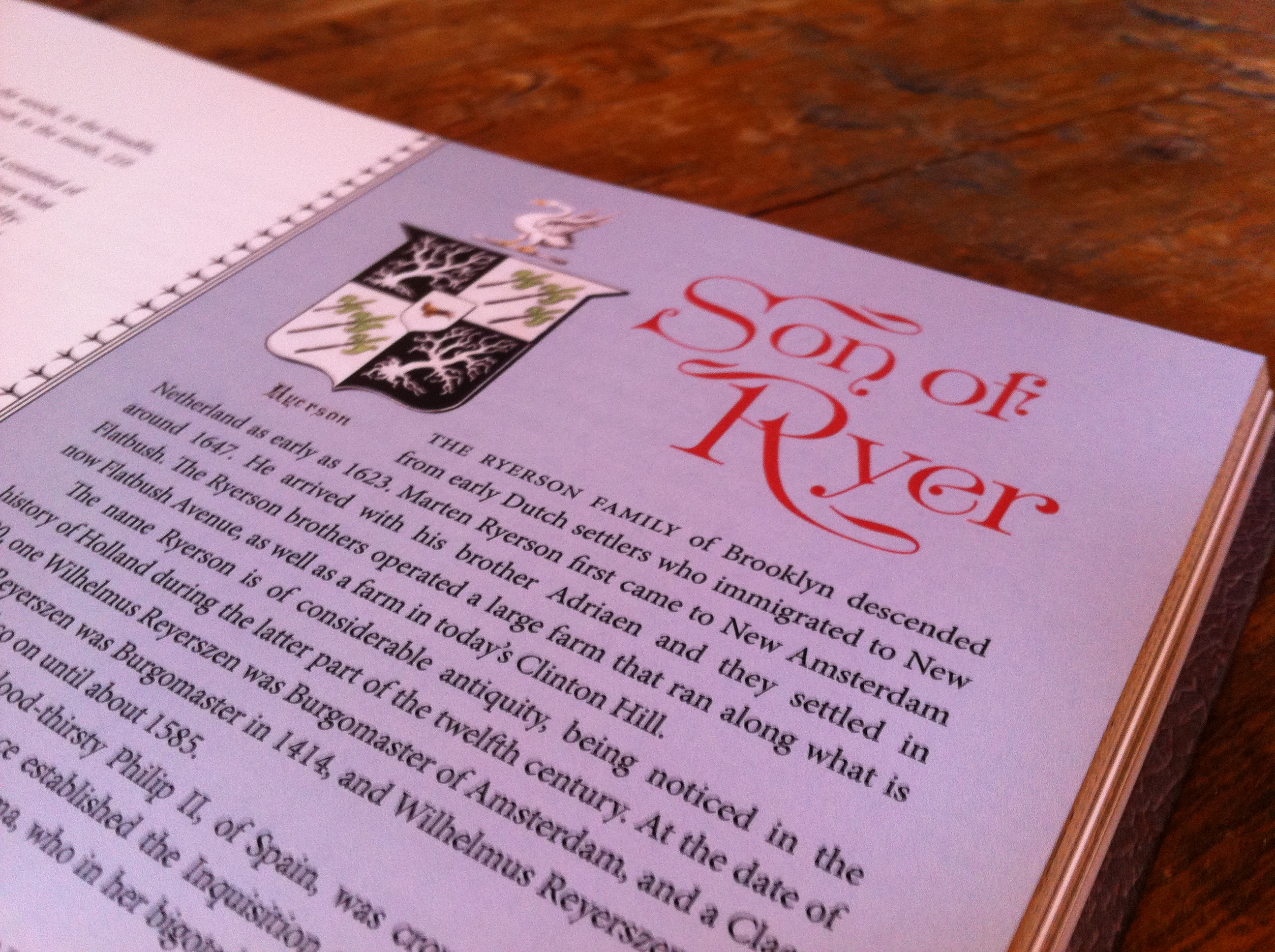
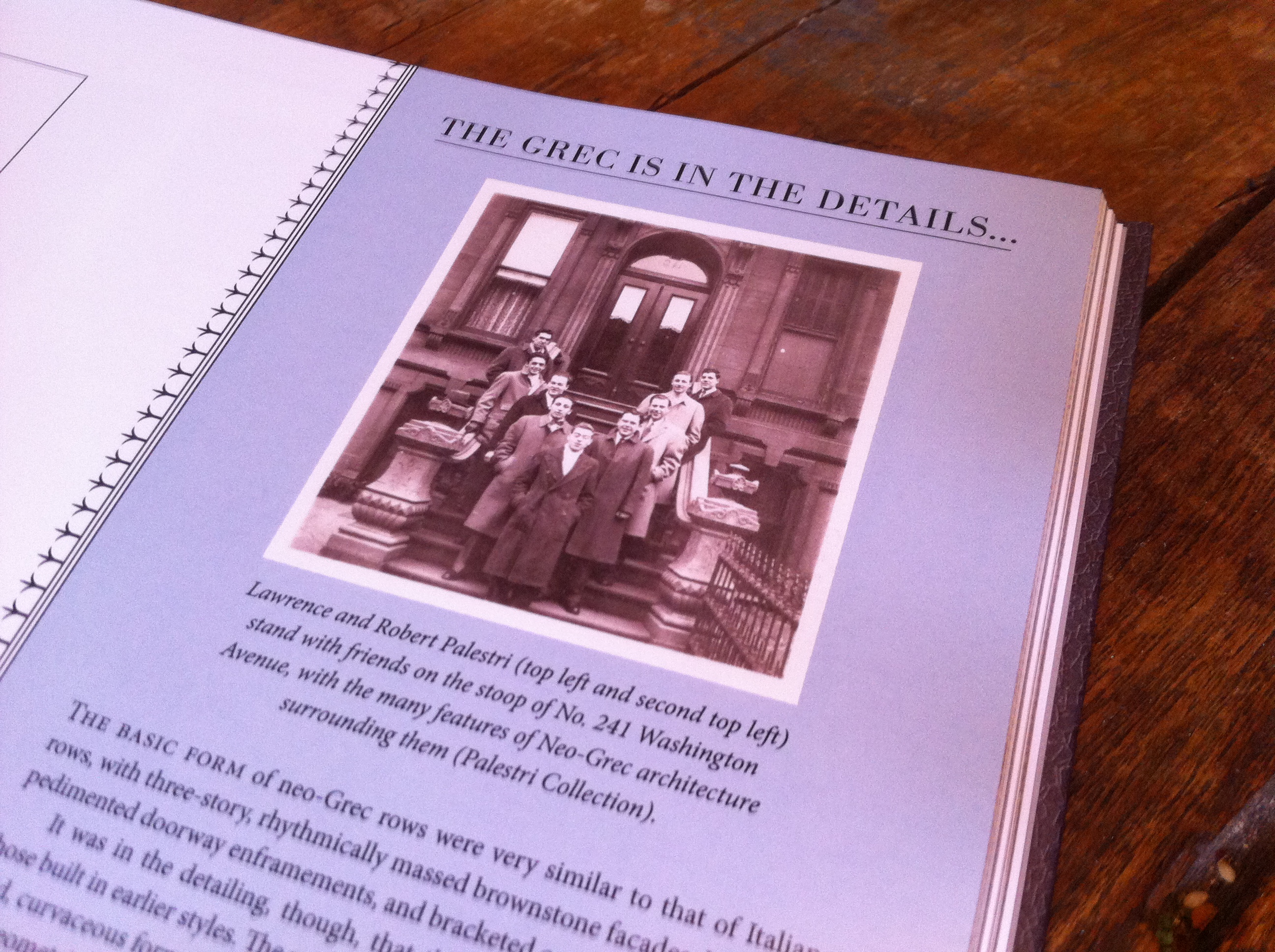
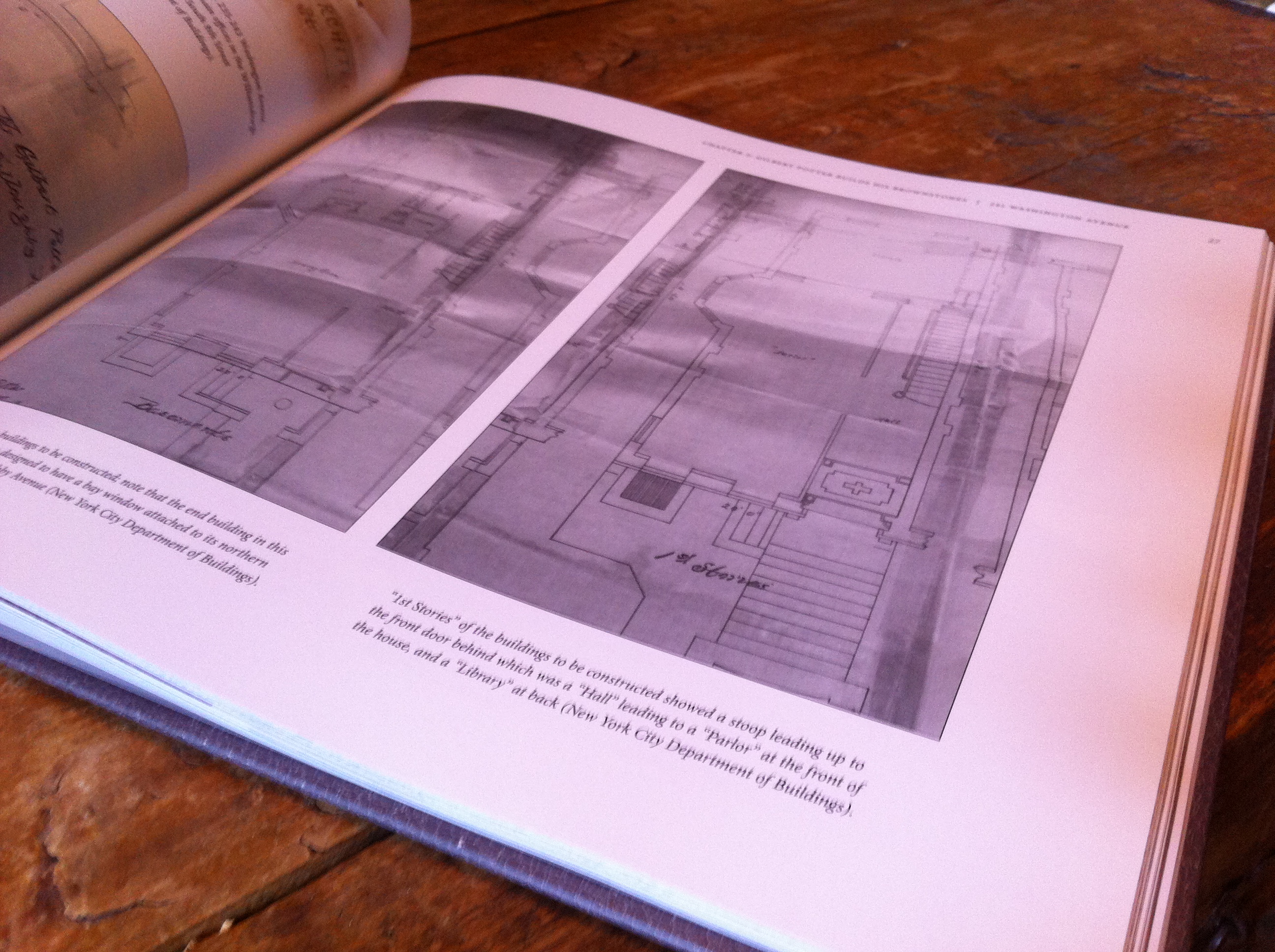
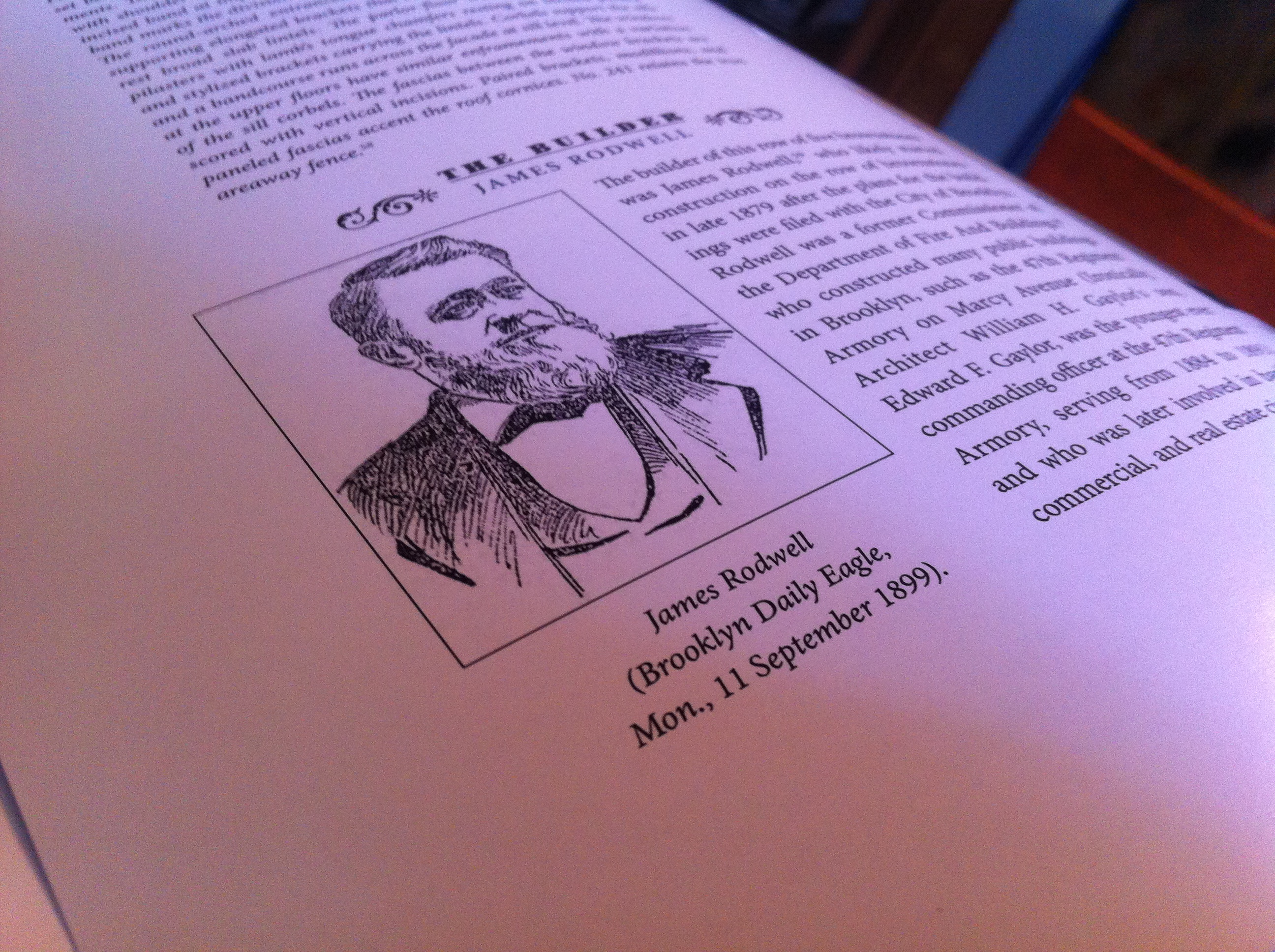
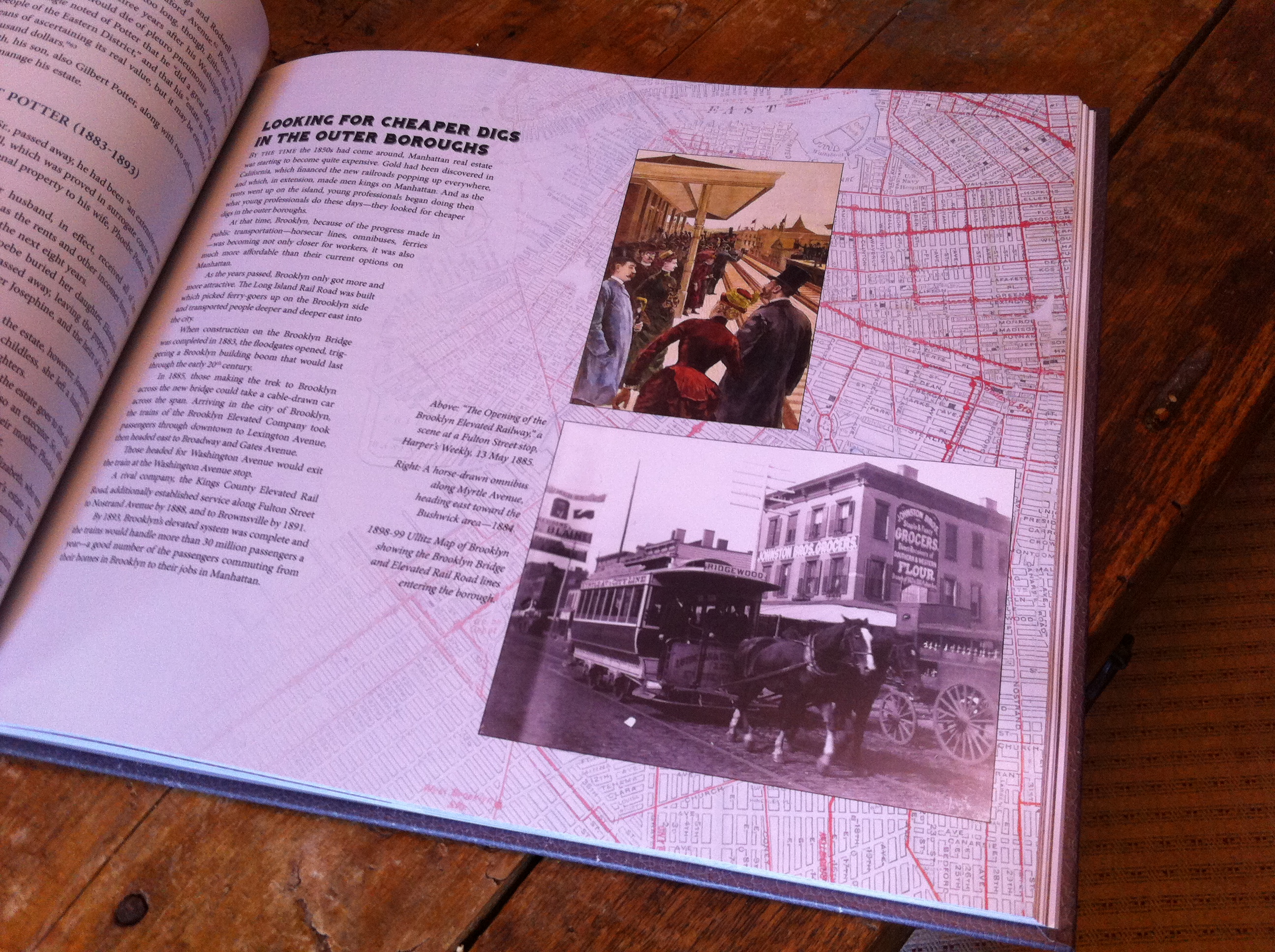
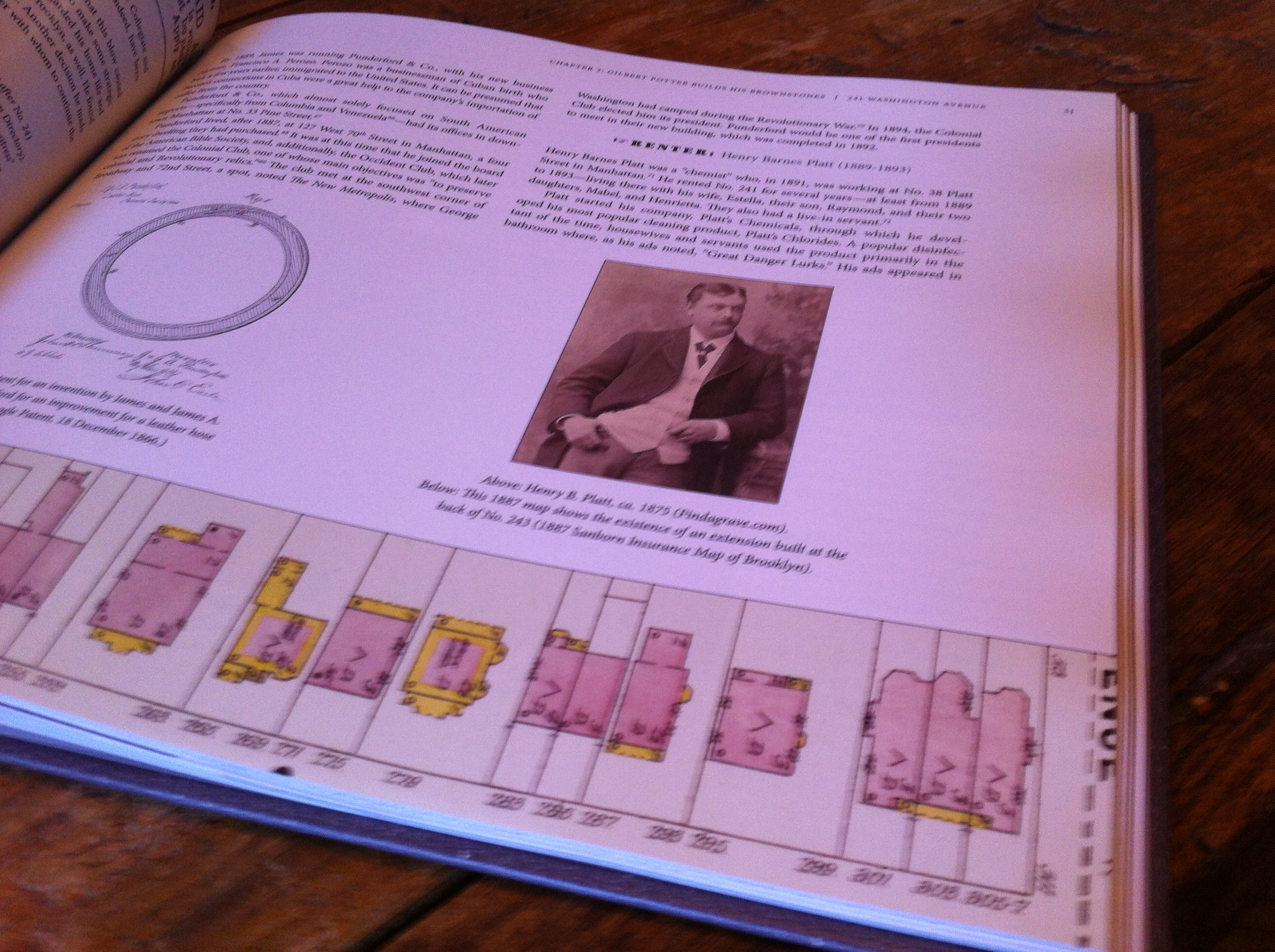
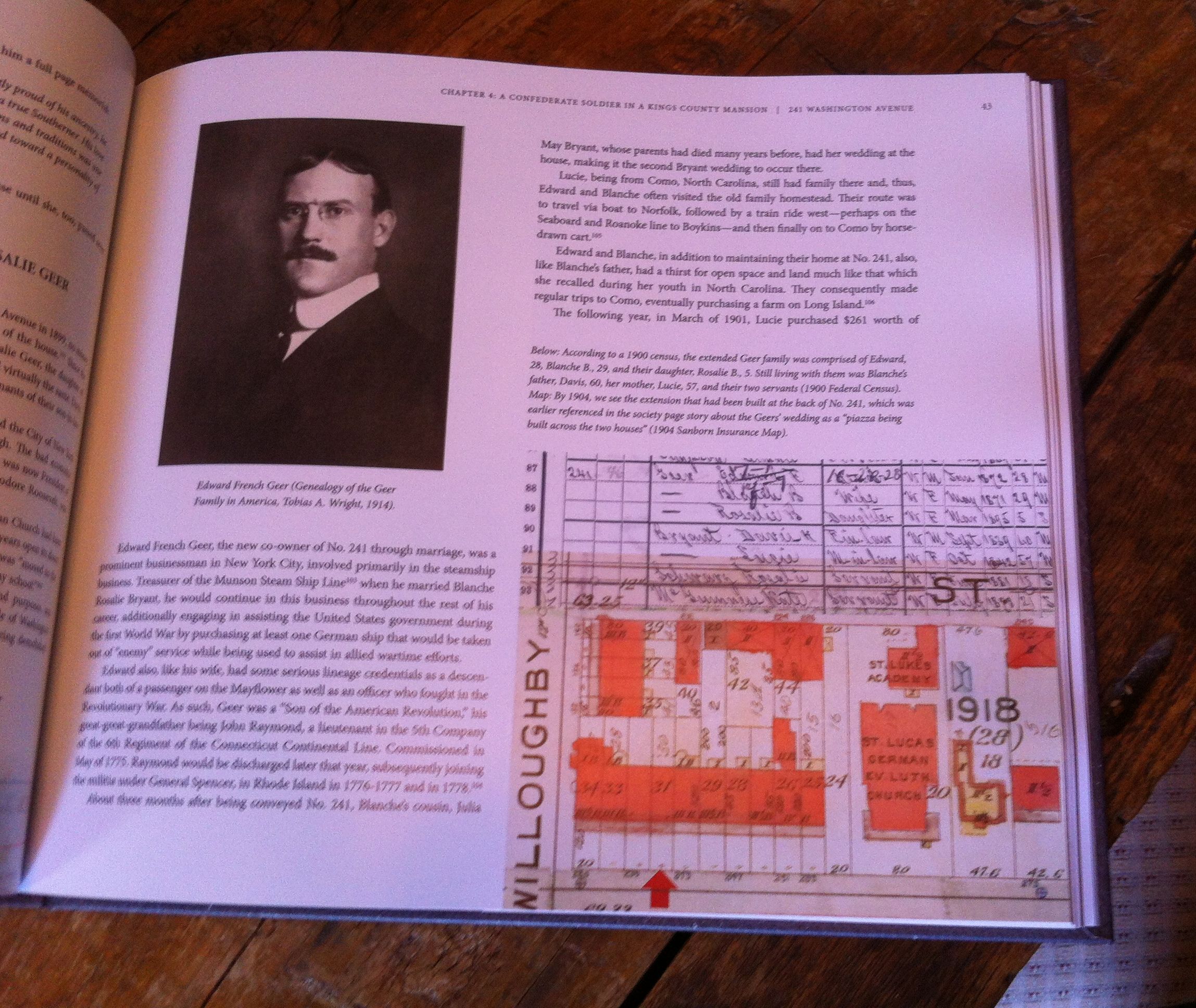
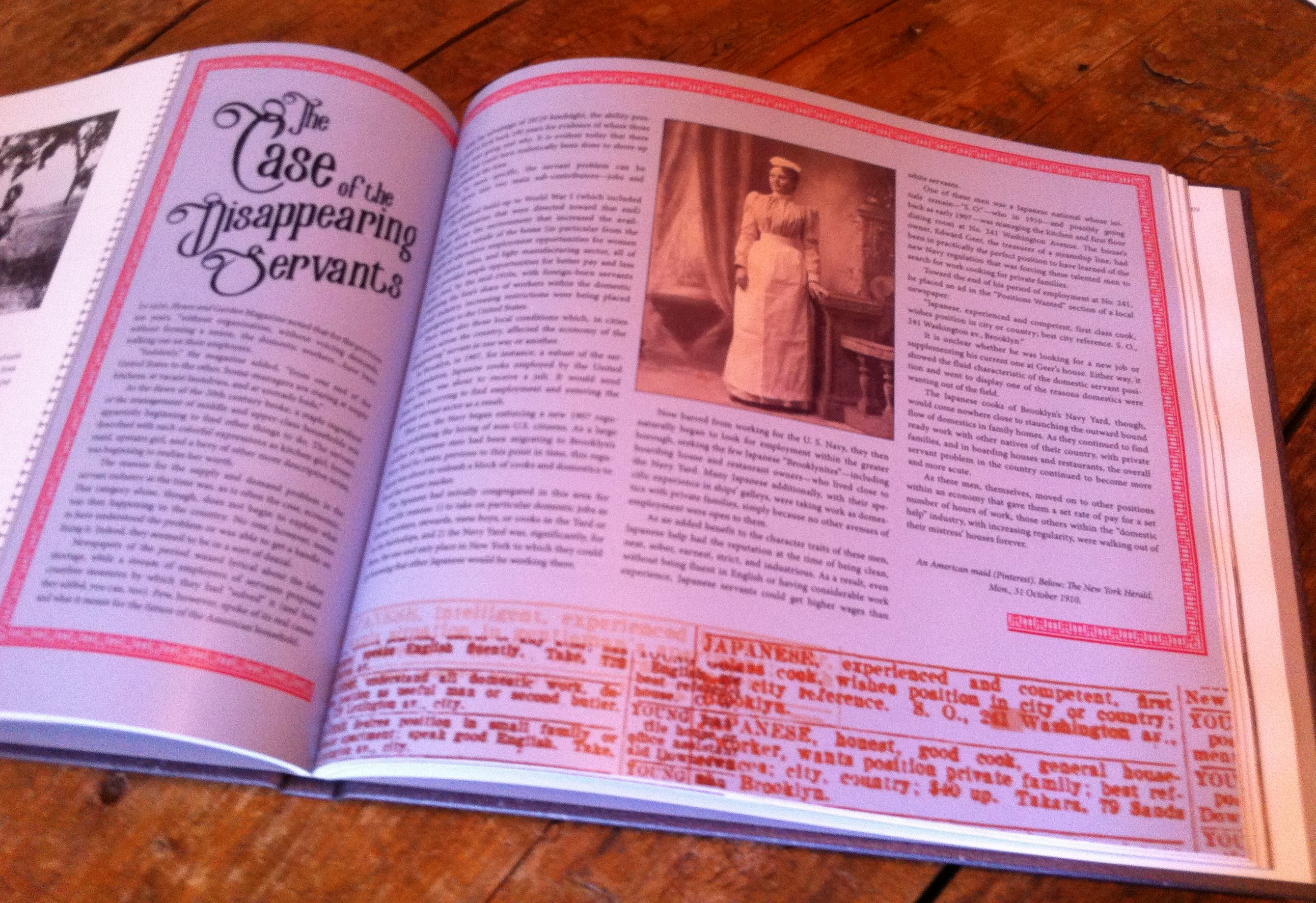
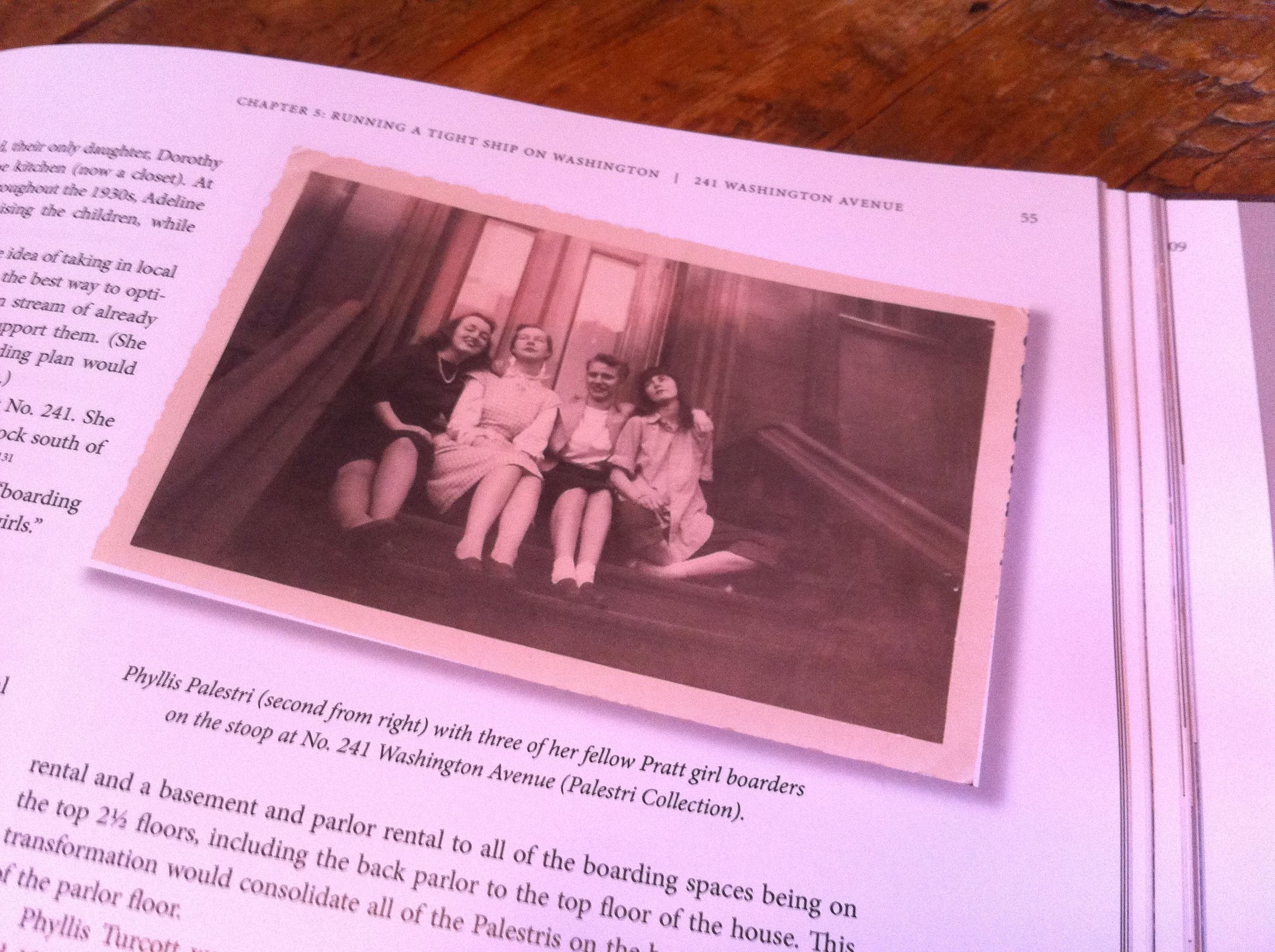
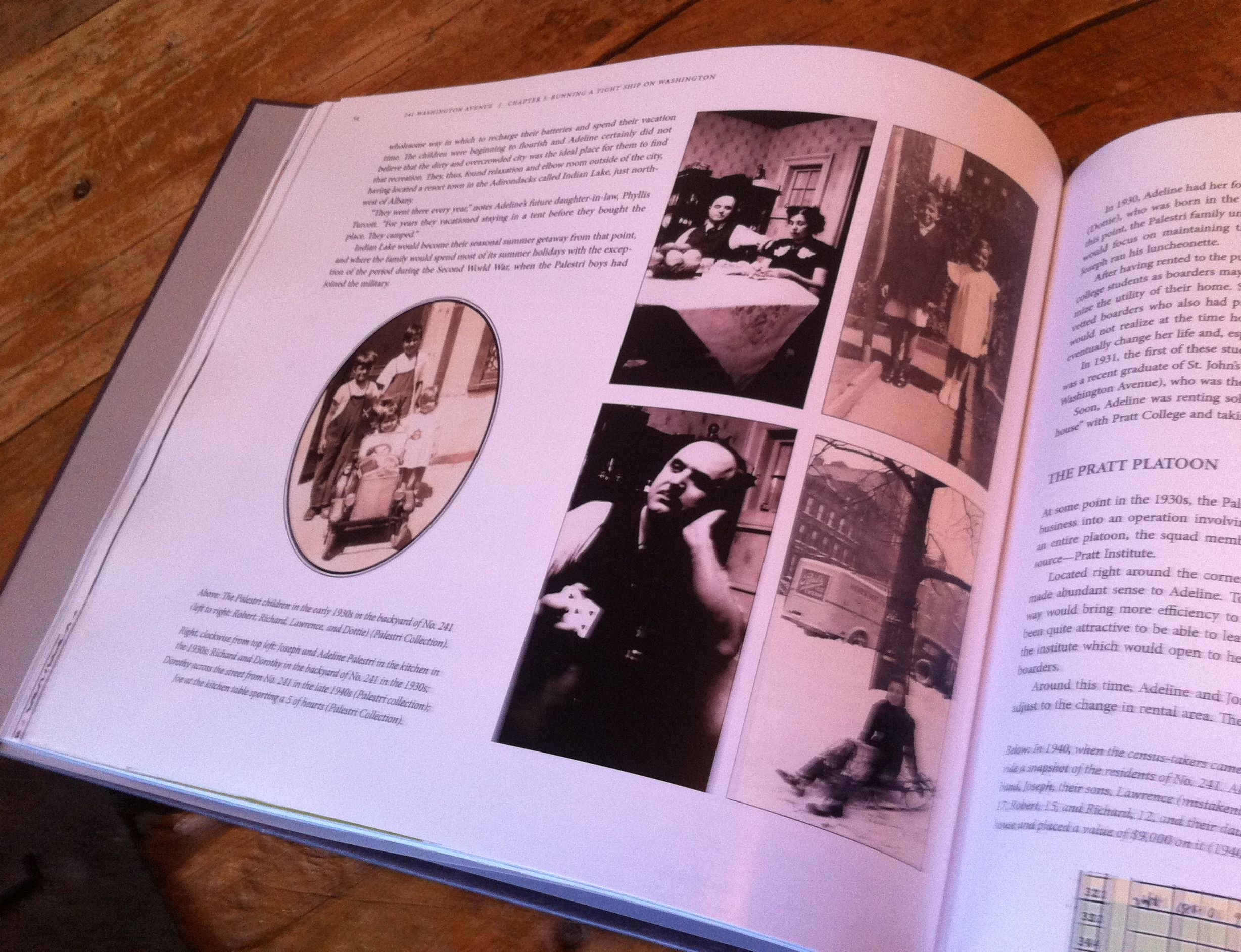
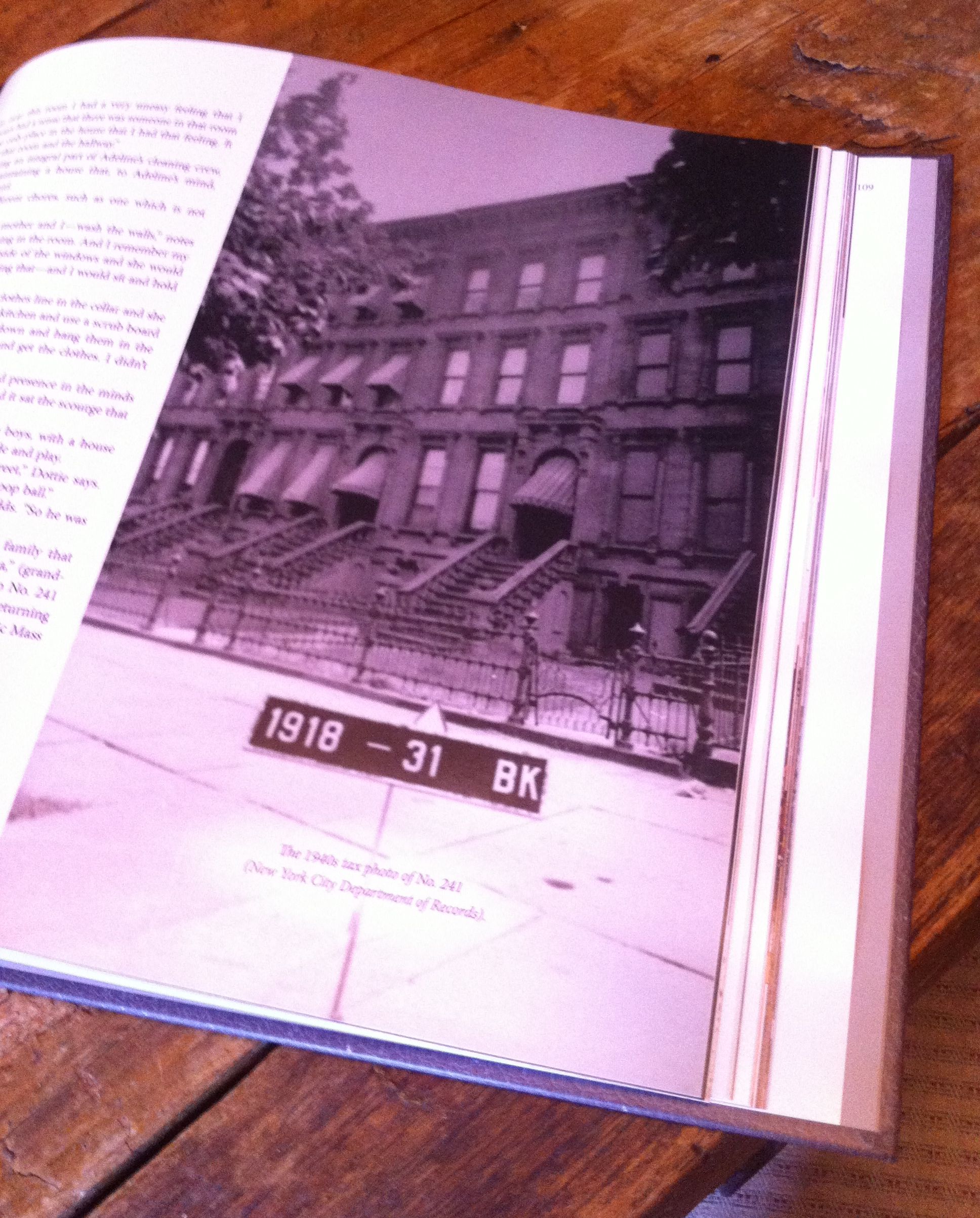
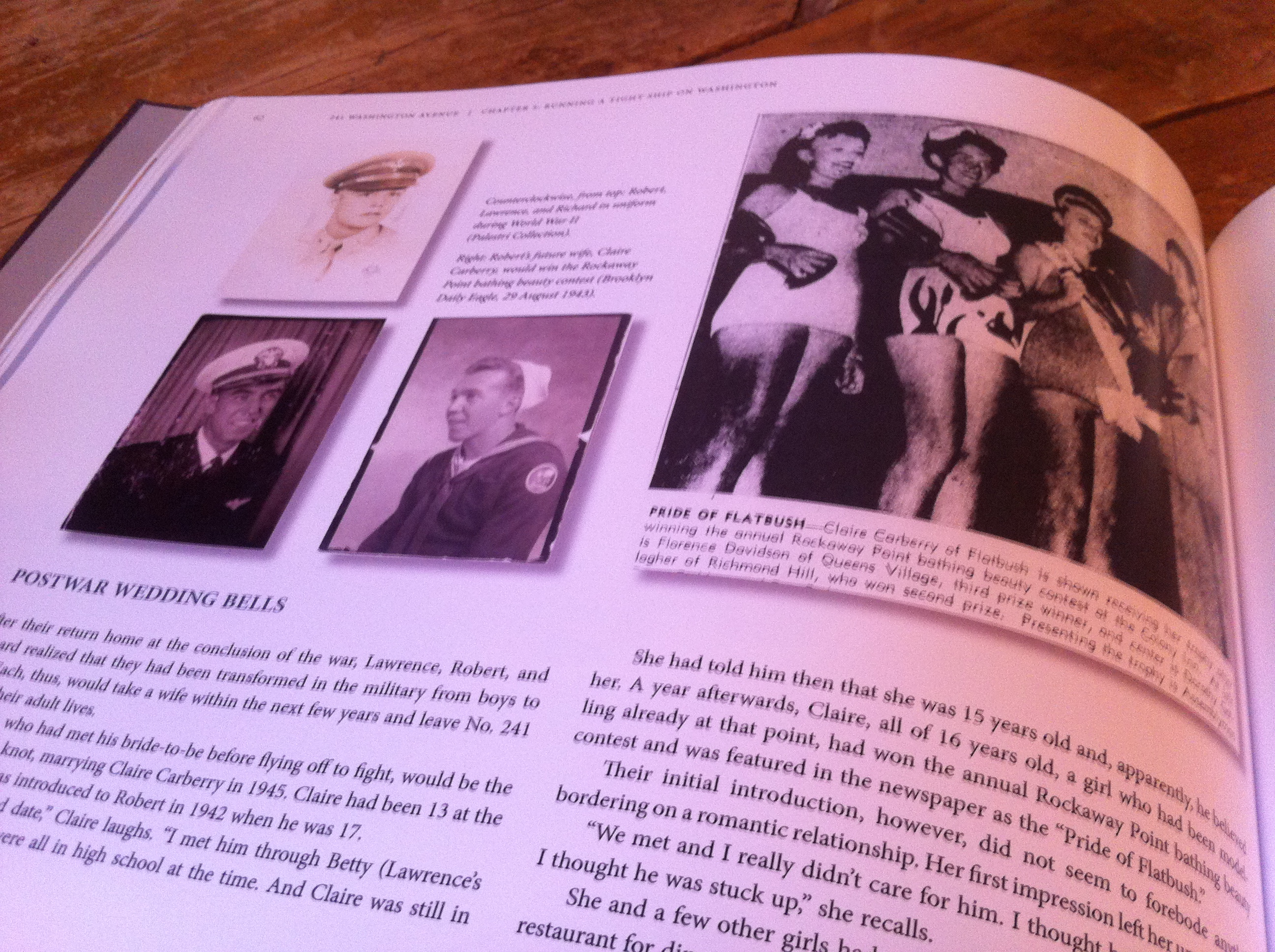
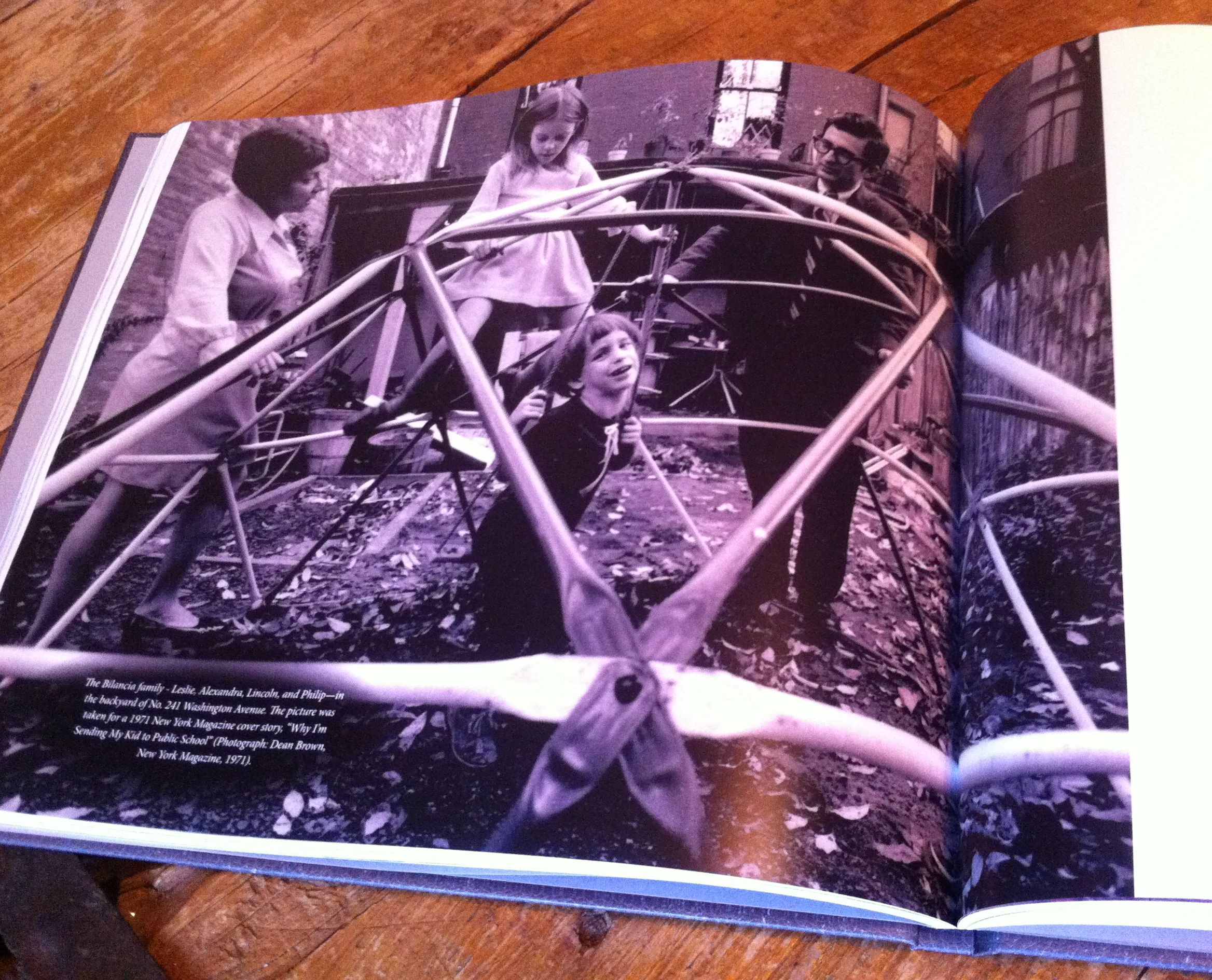
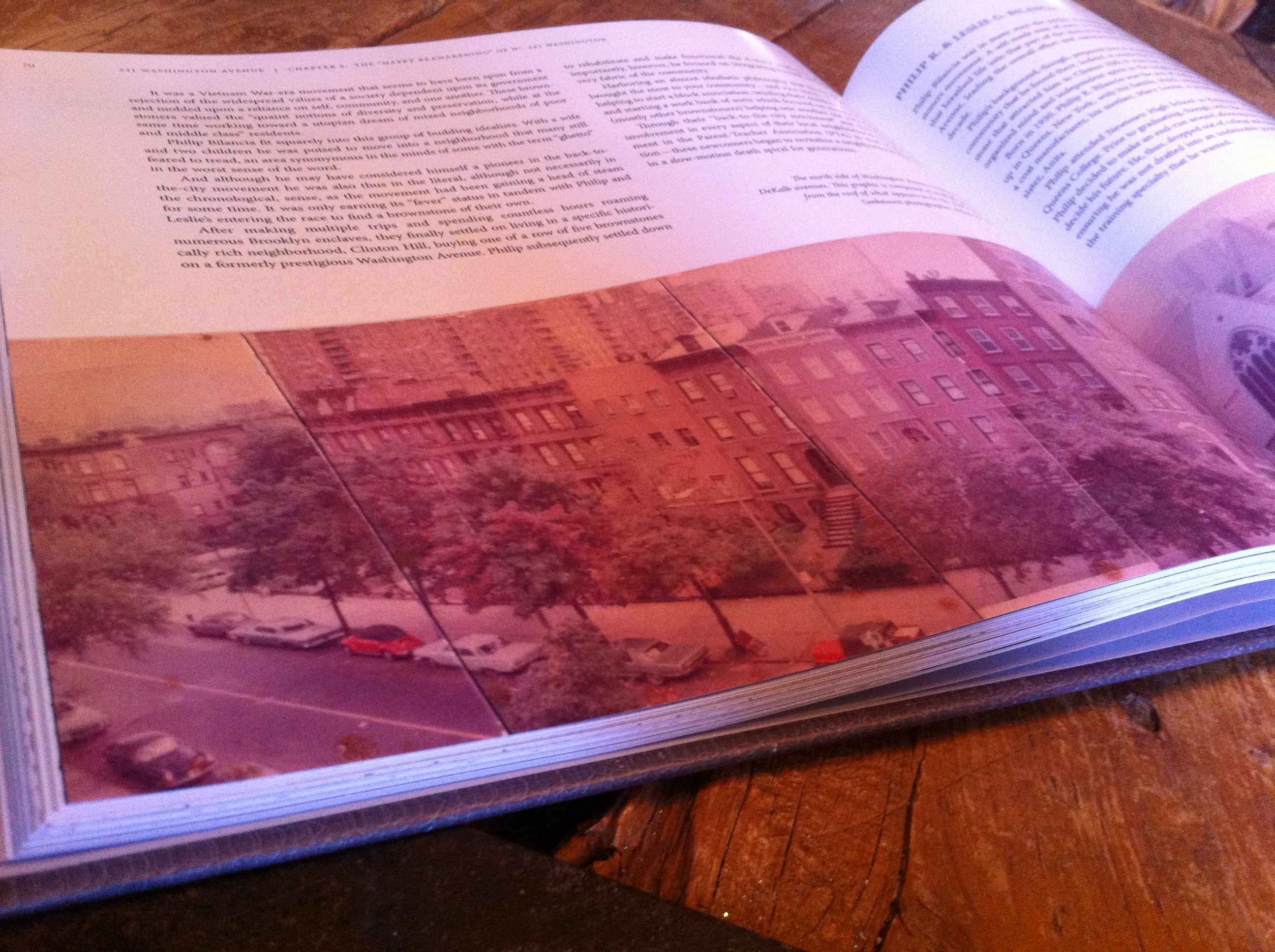
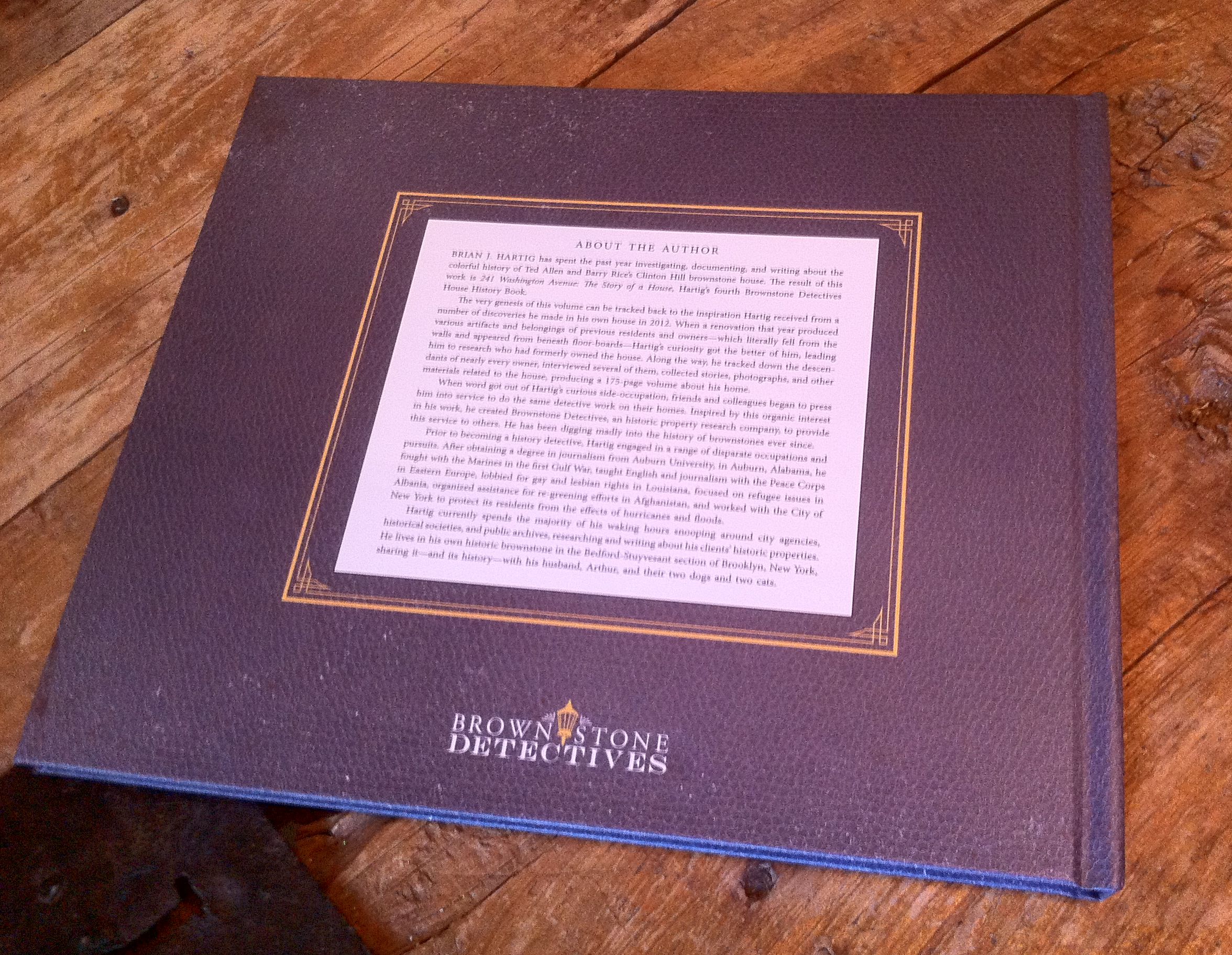
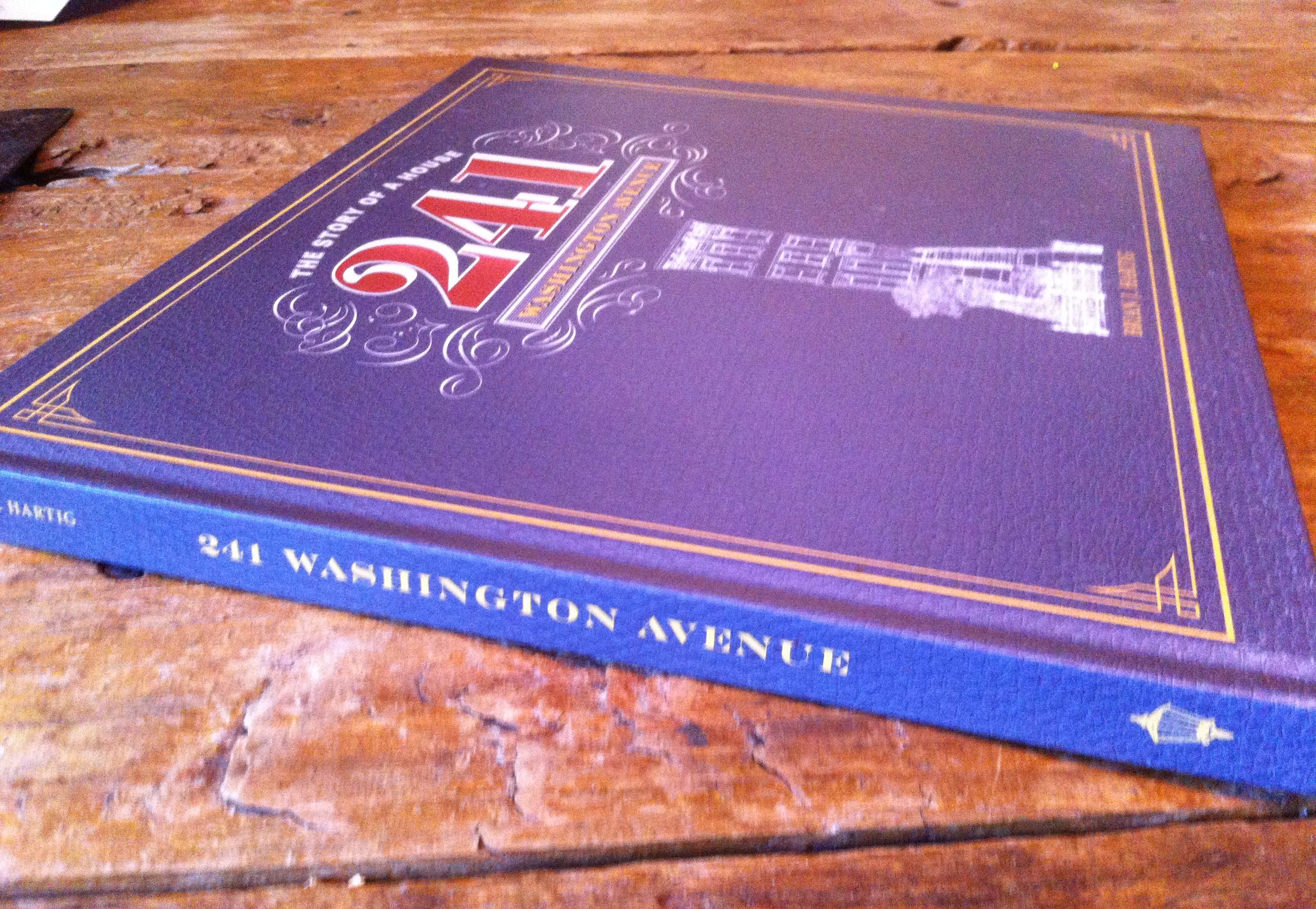
No. 241 Washington Avenue is a 110-page "image-wrap" House History Book telling the nearly decade and a half story of a Neo-Grec rowhouse located in the Clinton Hill neighborhood of Brooklyn. One of the last buildings constructed on its block (in 1879-80), it is surrounded by an assortment of construction styles popular in the 1860s/70, and sits very close to the area’s anchor institution, Pratt College. Not only was Brownstone Detectives able to track down the house’s original architectural blueprints, but we also located the families of two of the former owners, several individual of which had lived in the house as far back as 1930. After the house’s construction, it existed as an upscale rental for more than 10 years, attracting merchants of industry as tenants from Manhattan. When the house was first sold, it was deeded to a cavalryman who had fought on the side of the Confederacy during the Civil War. This soldier’s “letters from the front” were discovered in a university library in Florida, and were useful in reconstructing this family’s residency. The following owner was a steamship magnate who was involved in shipping supplies to European allied forces during the First World War. After one of his ships was sunk by a German submarine, the United States soon entered the fray. In the 1920s, the house became the home to a small Italian family who turned the structure into a boarding house, supplying rooms to “Pratt girls” for more than 20 years. Brownstone Detectives tracked down several members of this family who regaled us with its rich history during this period. The next owner, a world traveler, attorney, and New School professor, was part of the “brownstoning” revival of the 1960s/70s, the first wave of gentrification to Clinton Hill. This owner was a central figure in the revival of the area as well as its ultimate historic landmarking. The current owners, who purchased the property in 2008, embarked at that time upon an extensive 2-phase renovation, returning to the property much of the house’s former glory. All of these stories – and more – have been painstakingly documented through interviews, photographs, and deep research, ensuring that the history of this home can be told for many years to come. -



738 Macon Street
-
738 Macon Street
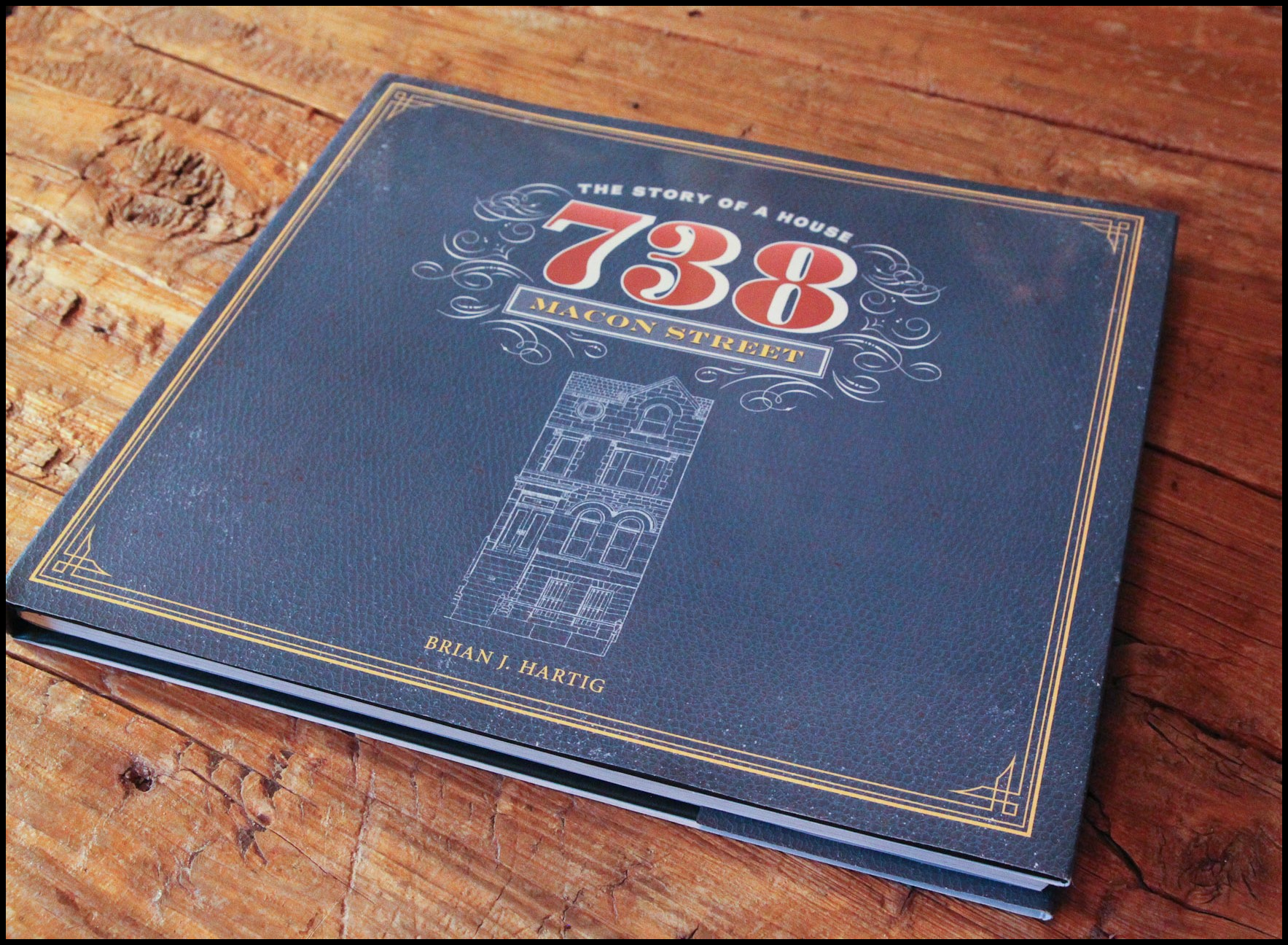
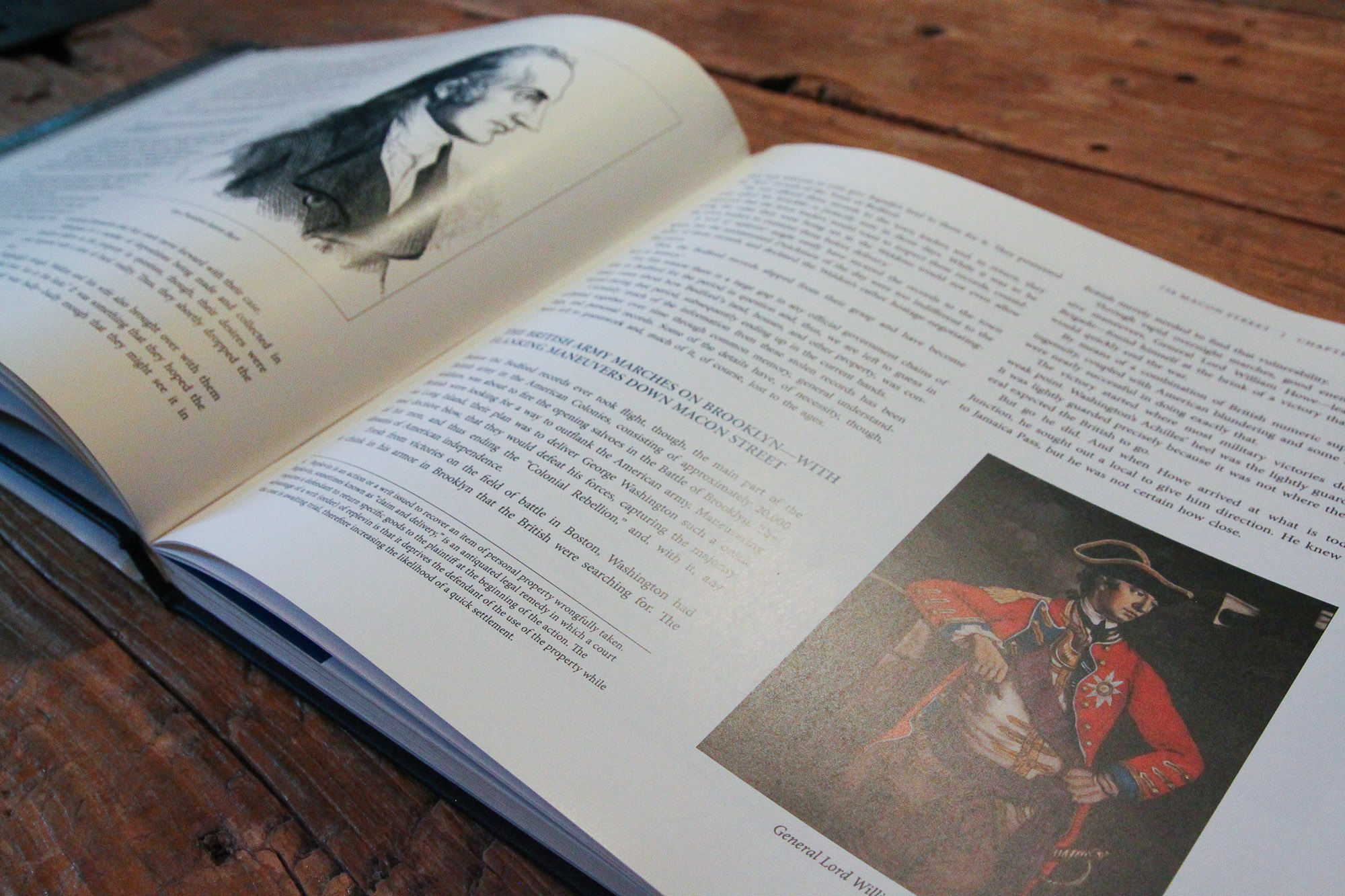
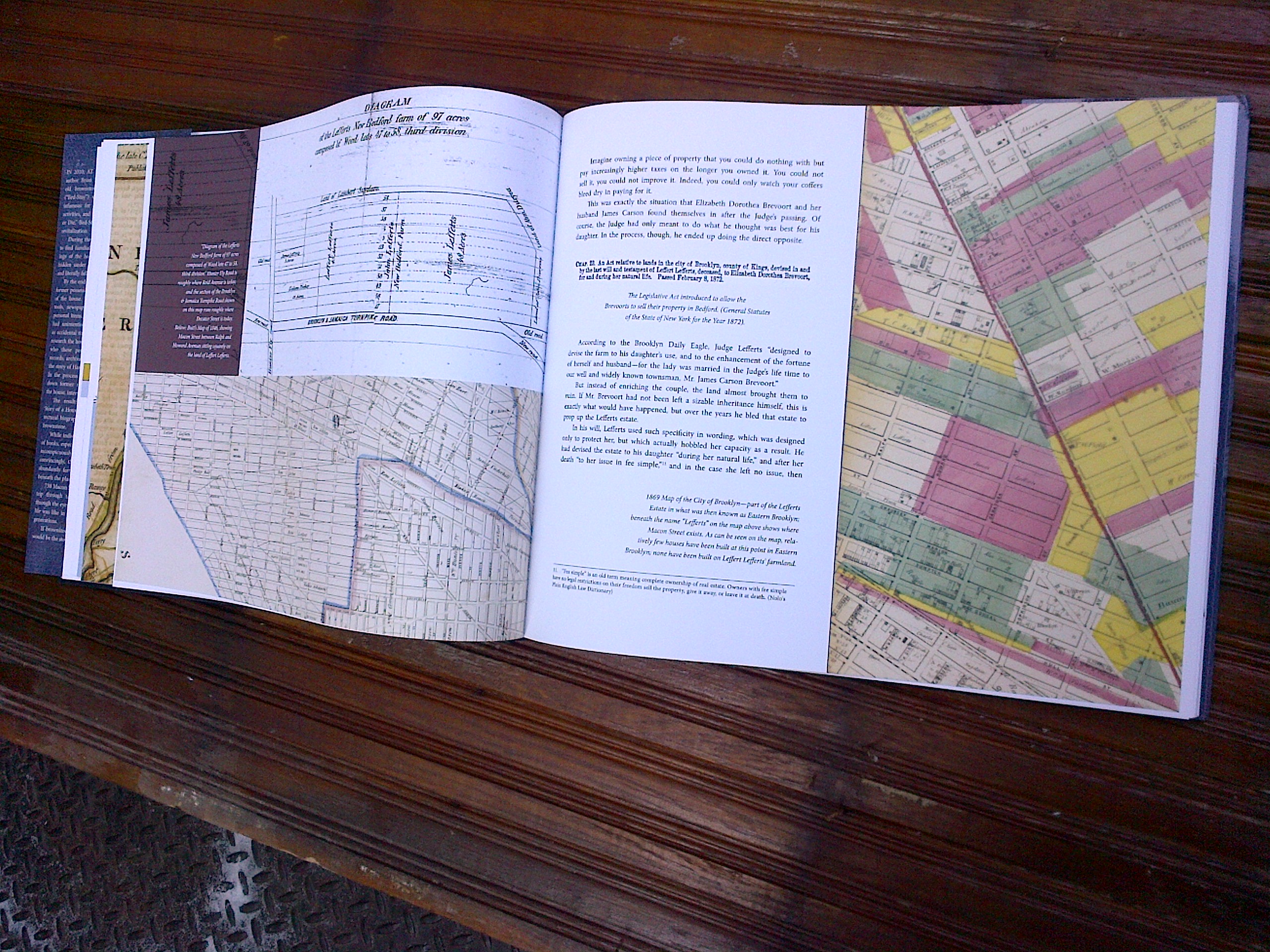
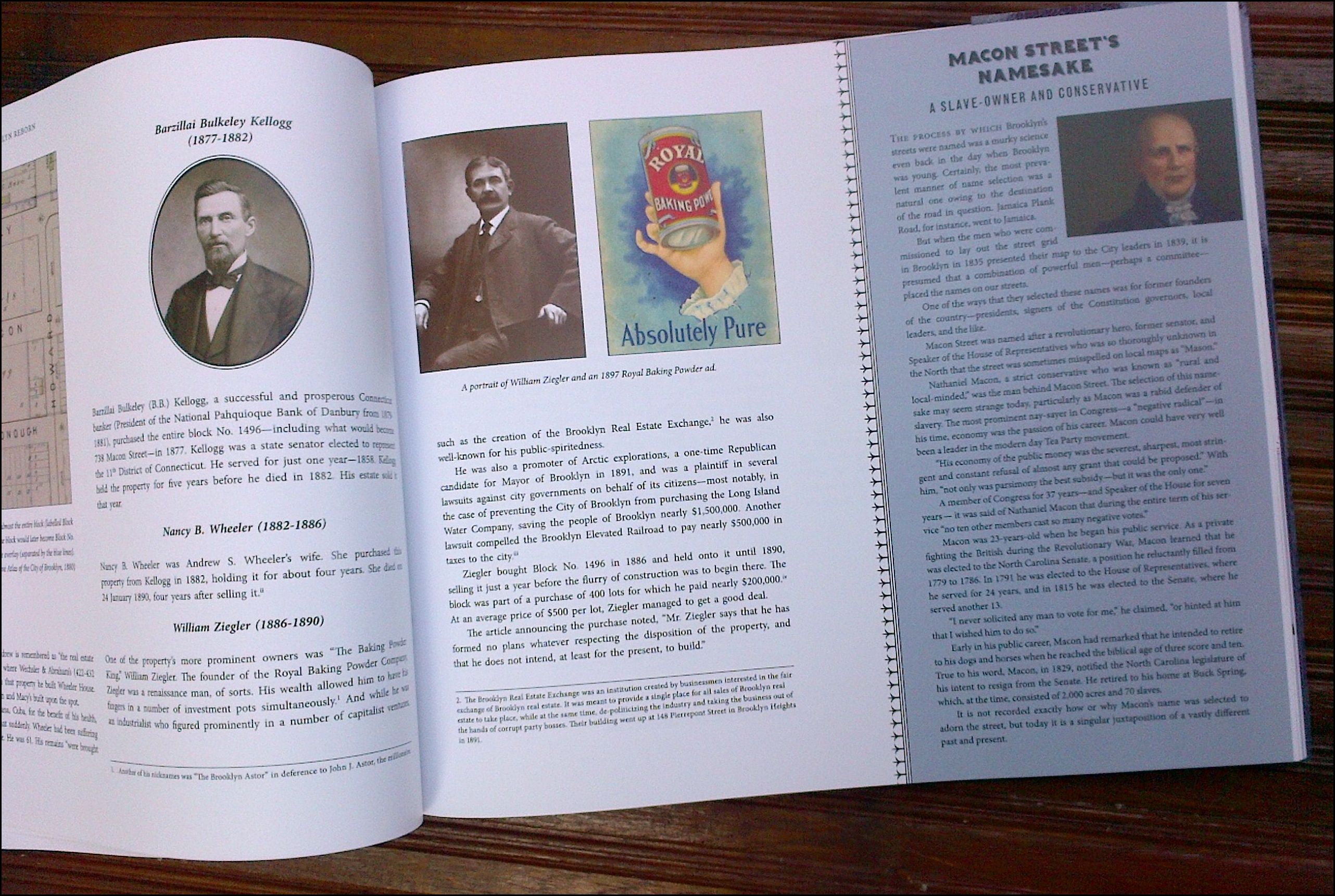
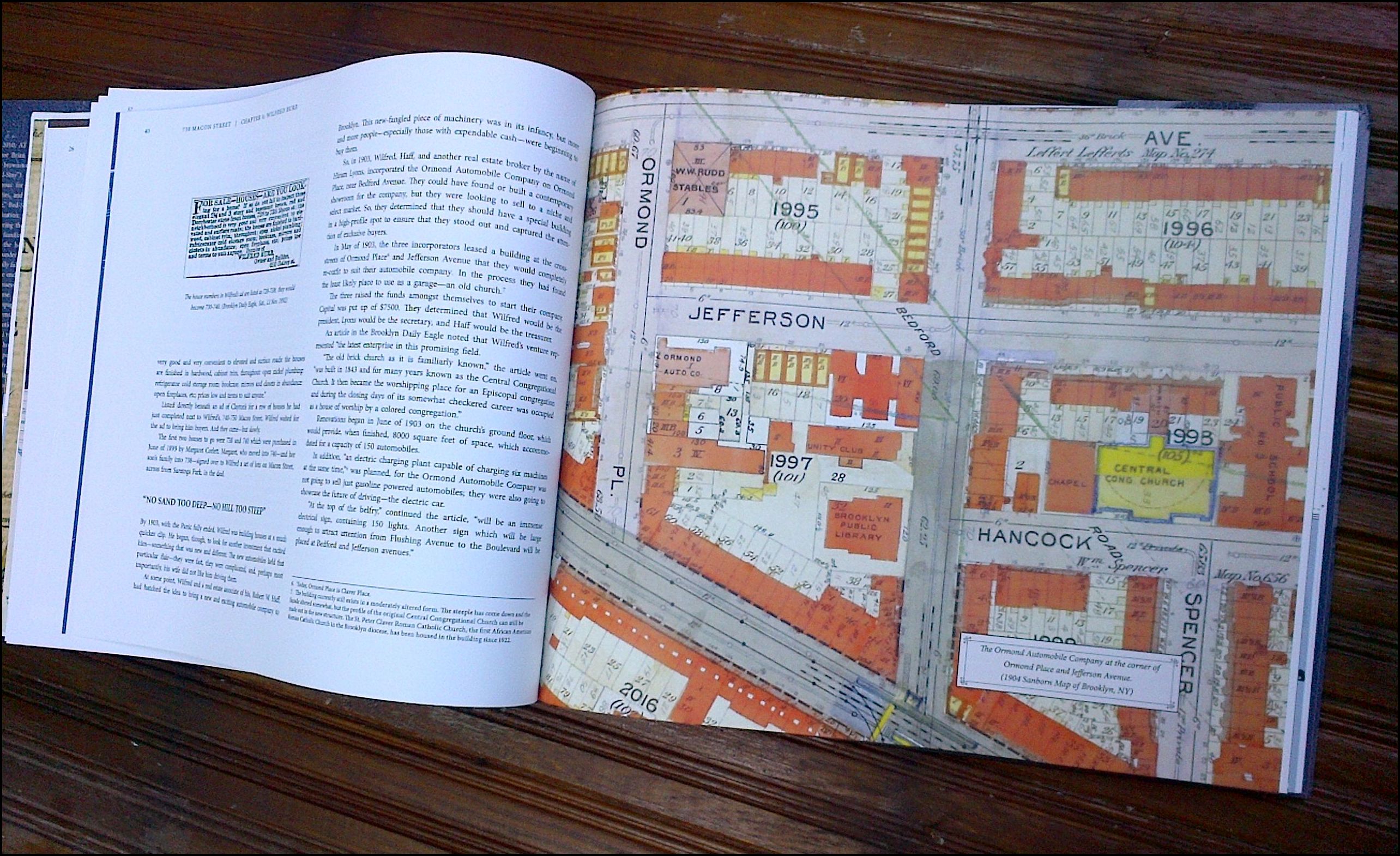
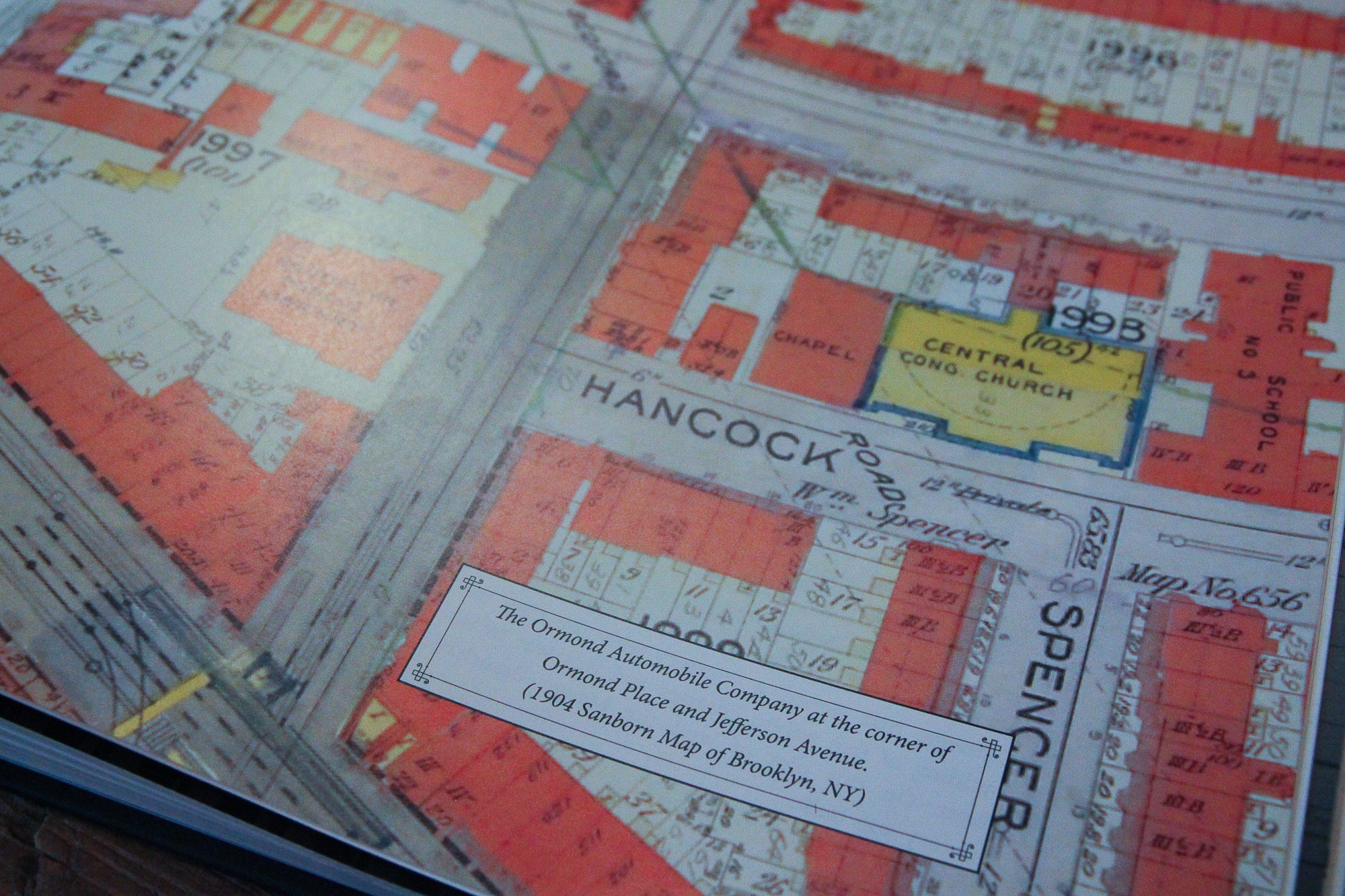
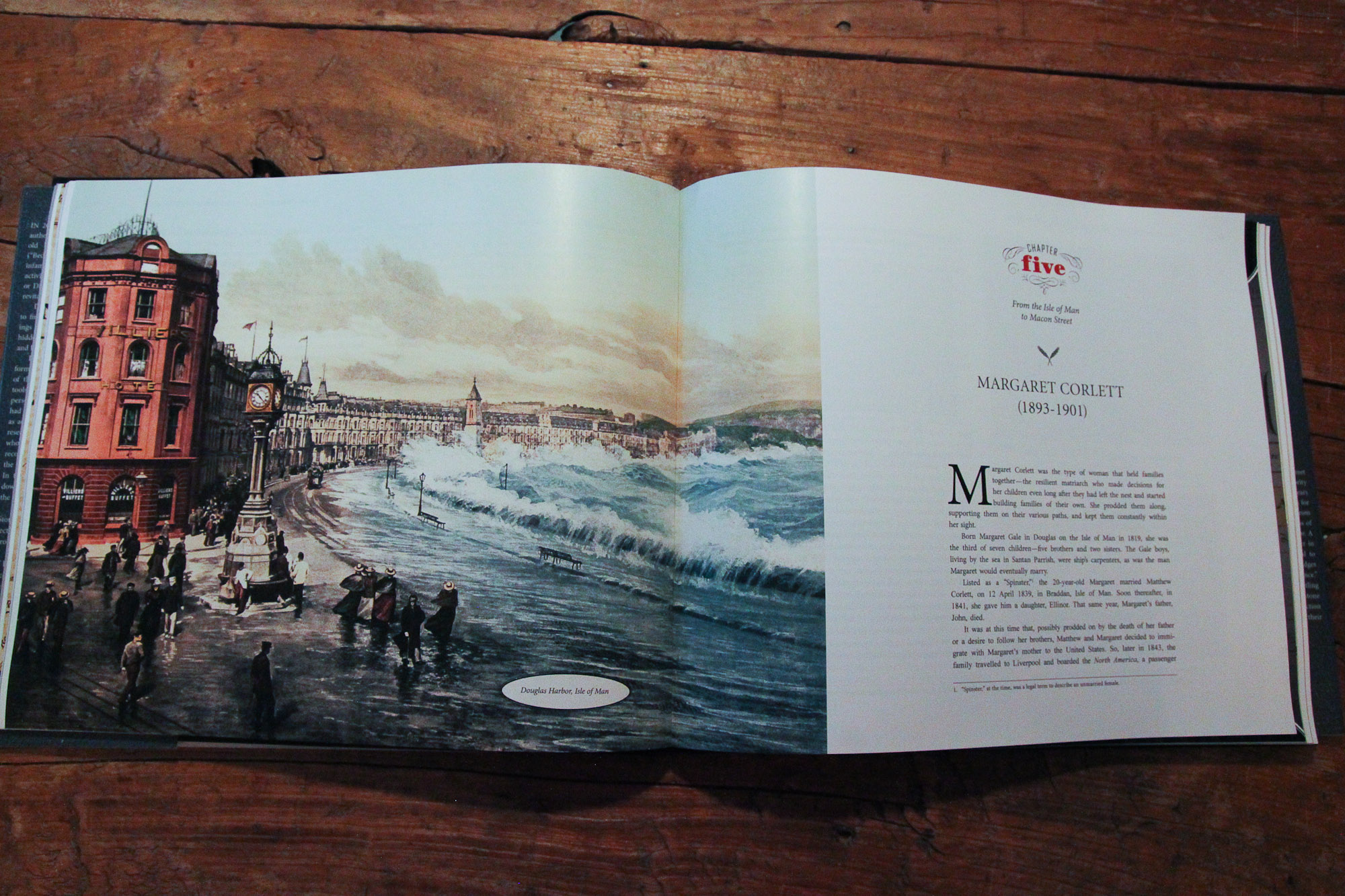
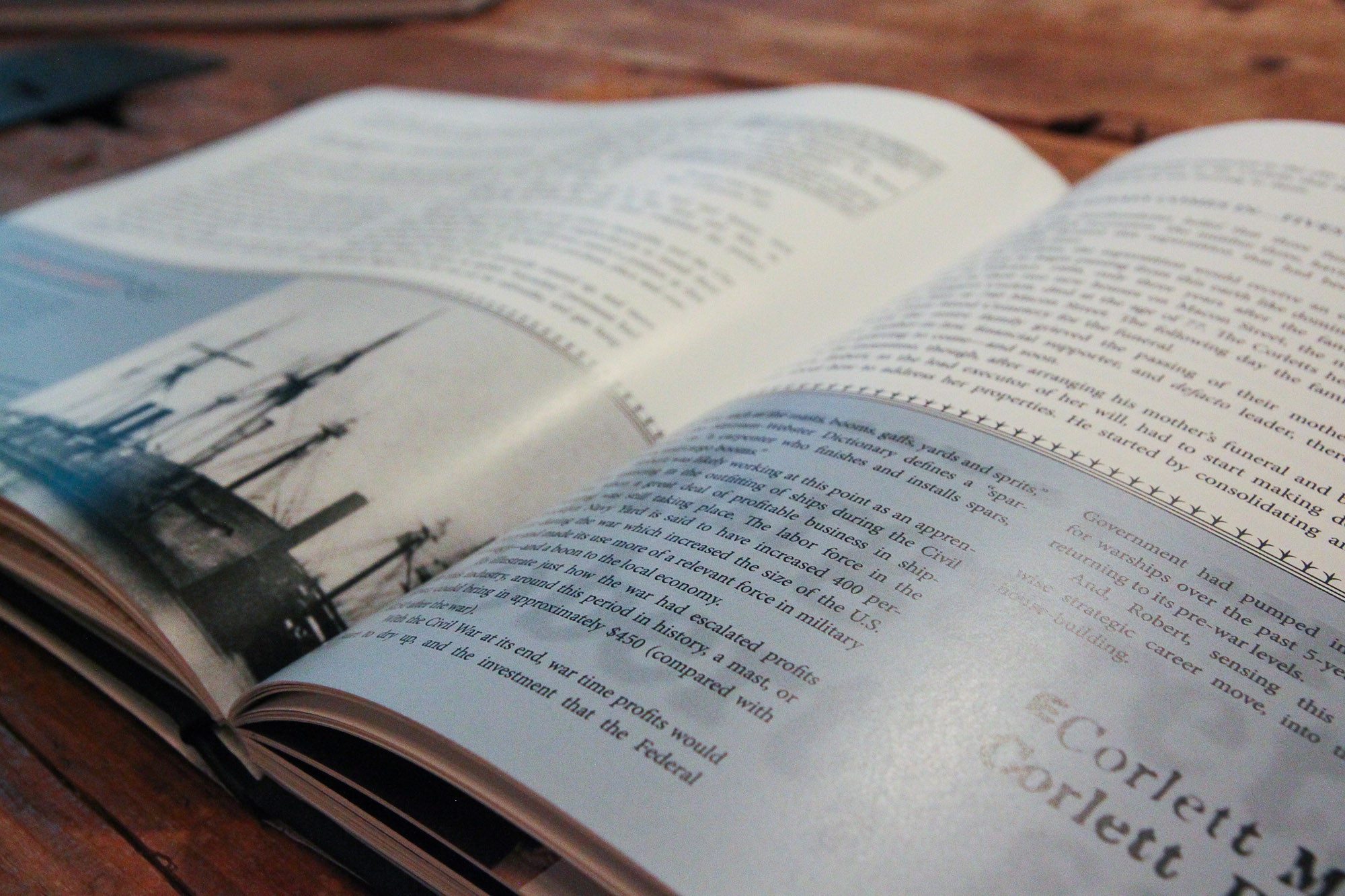
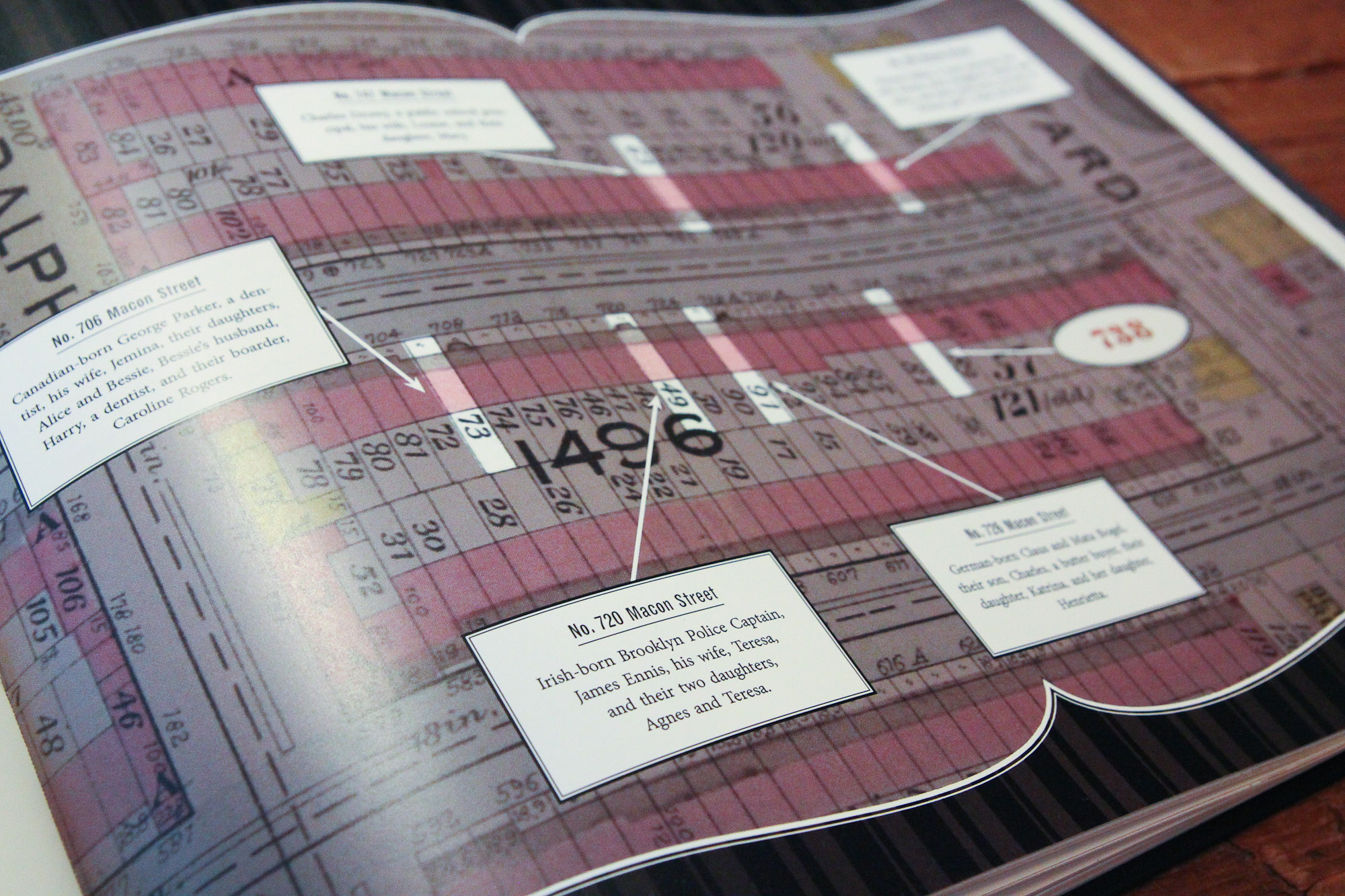
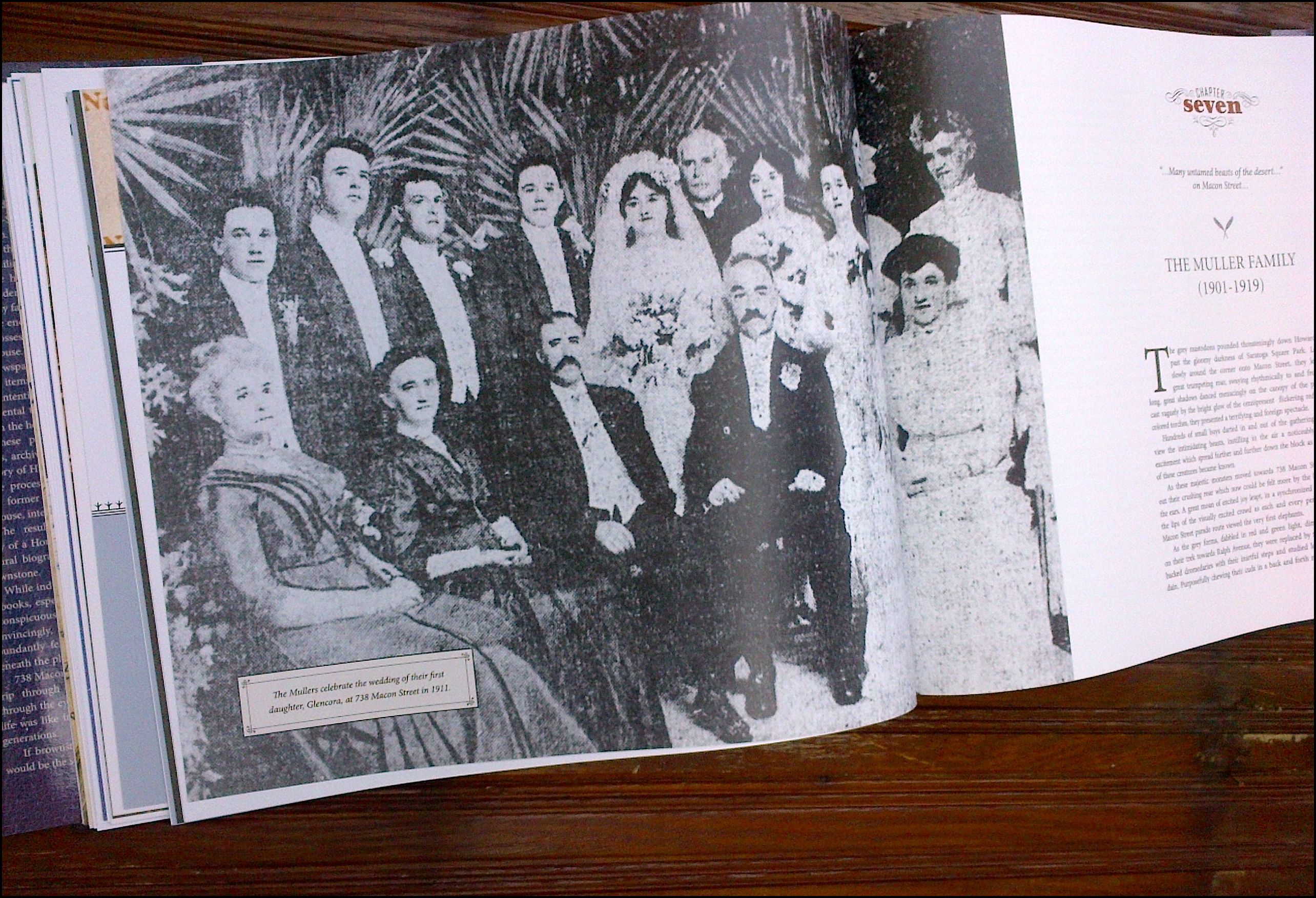
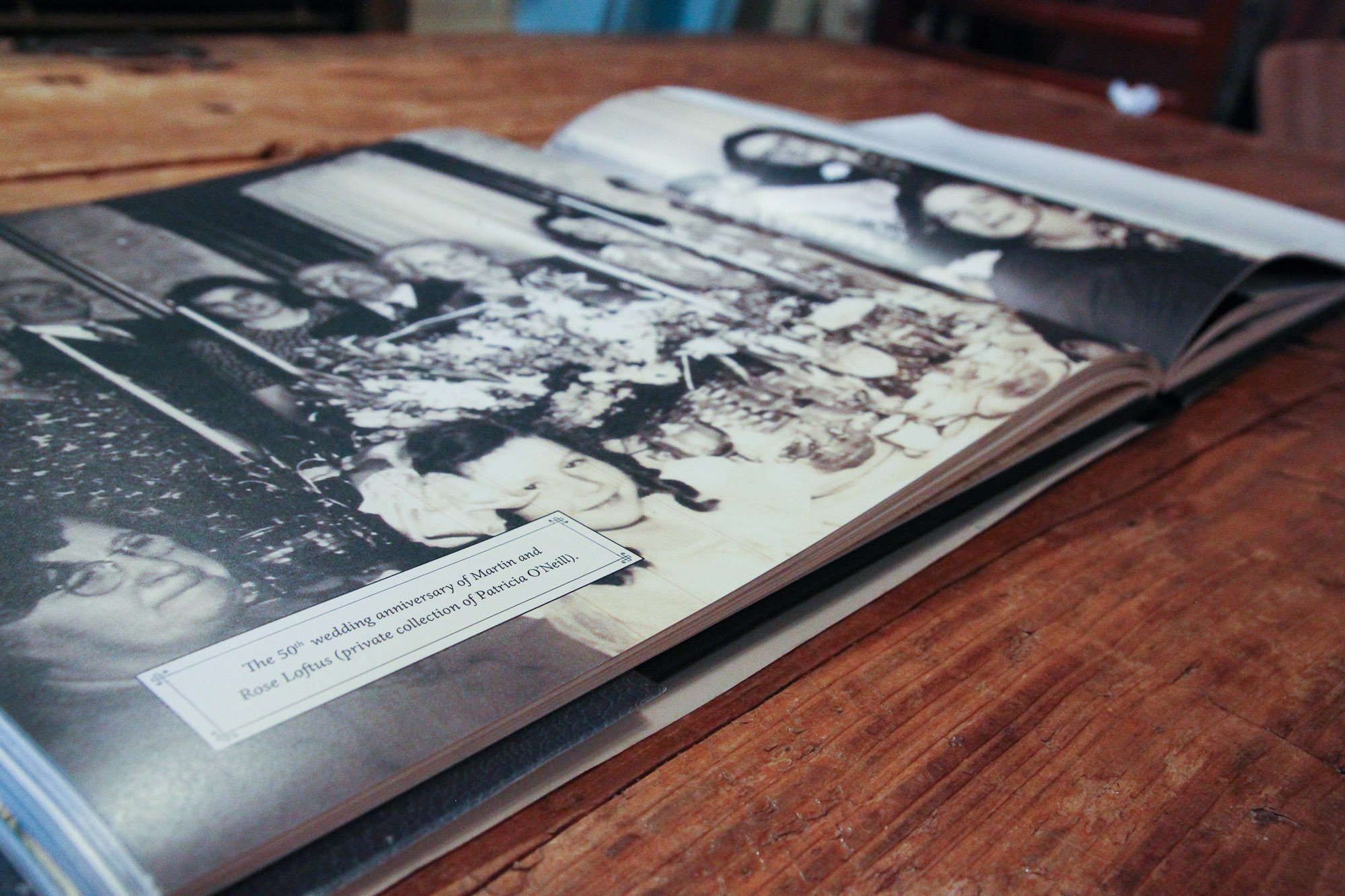
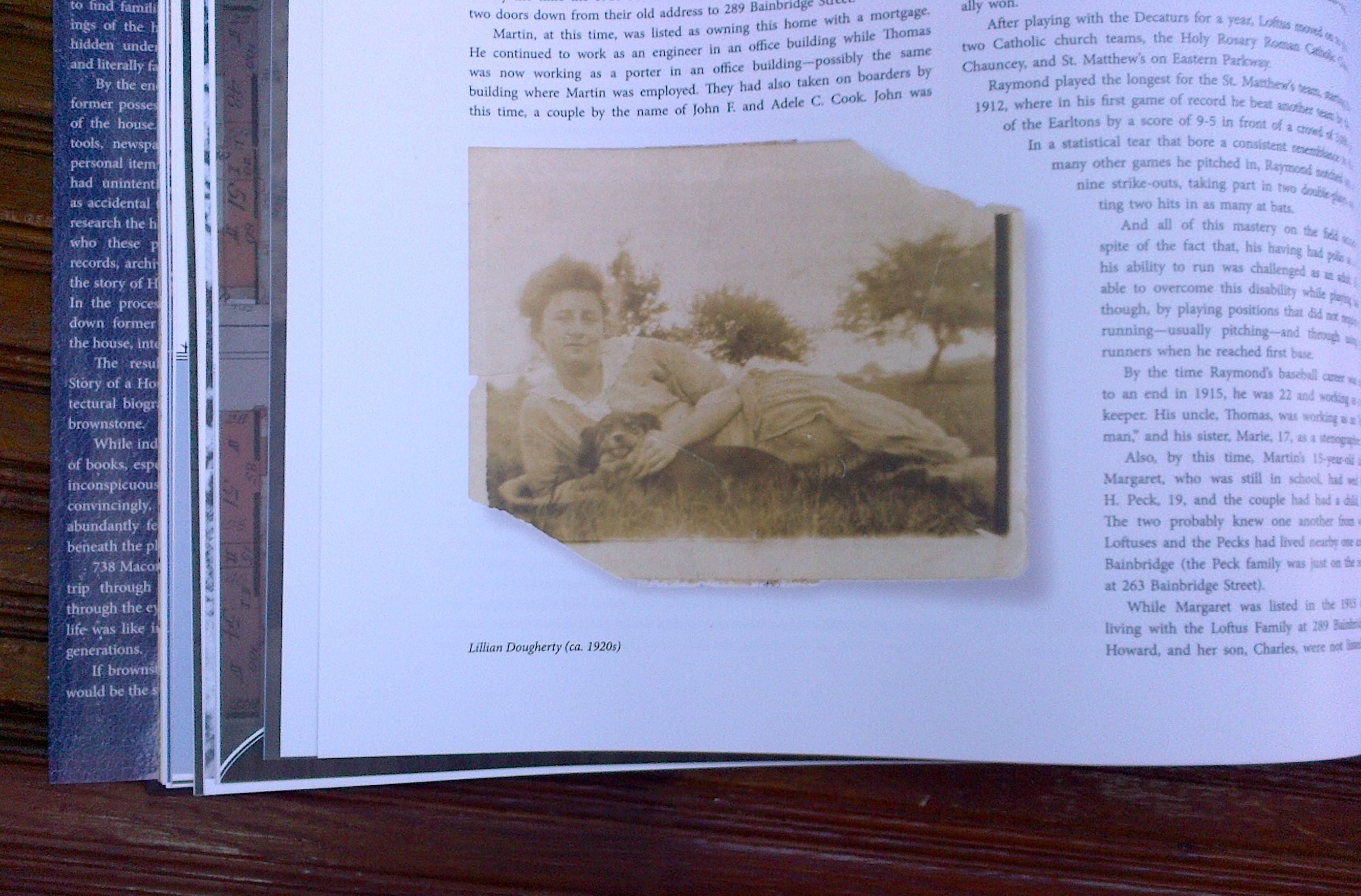
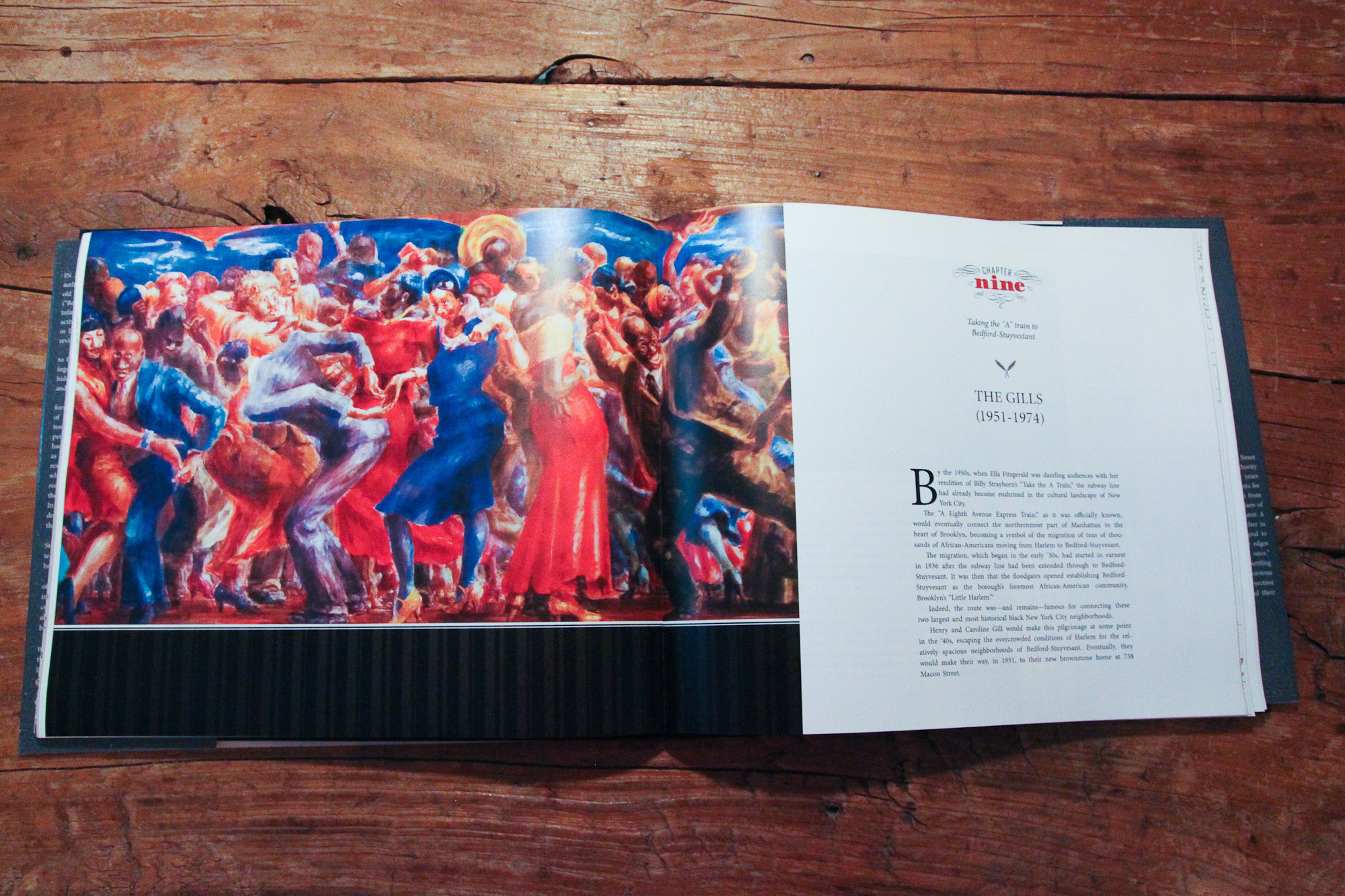
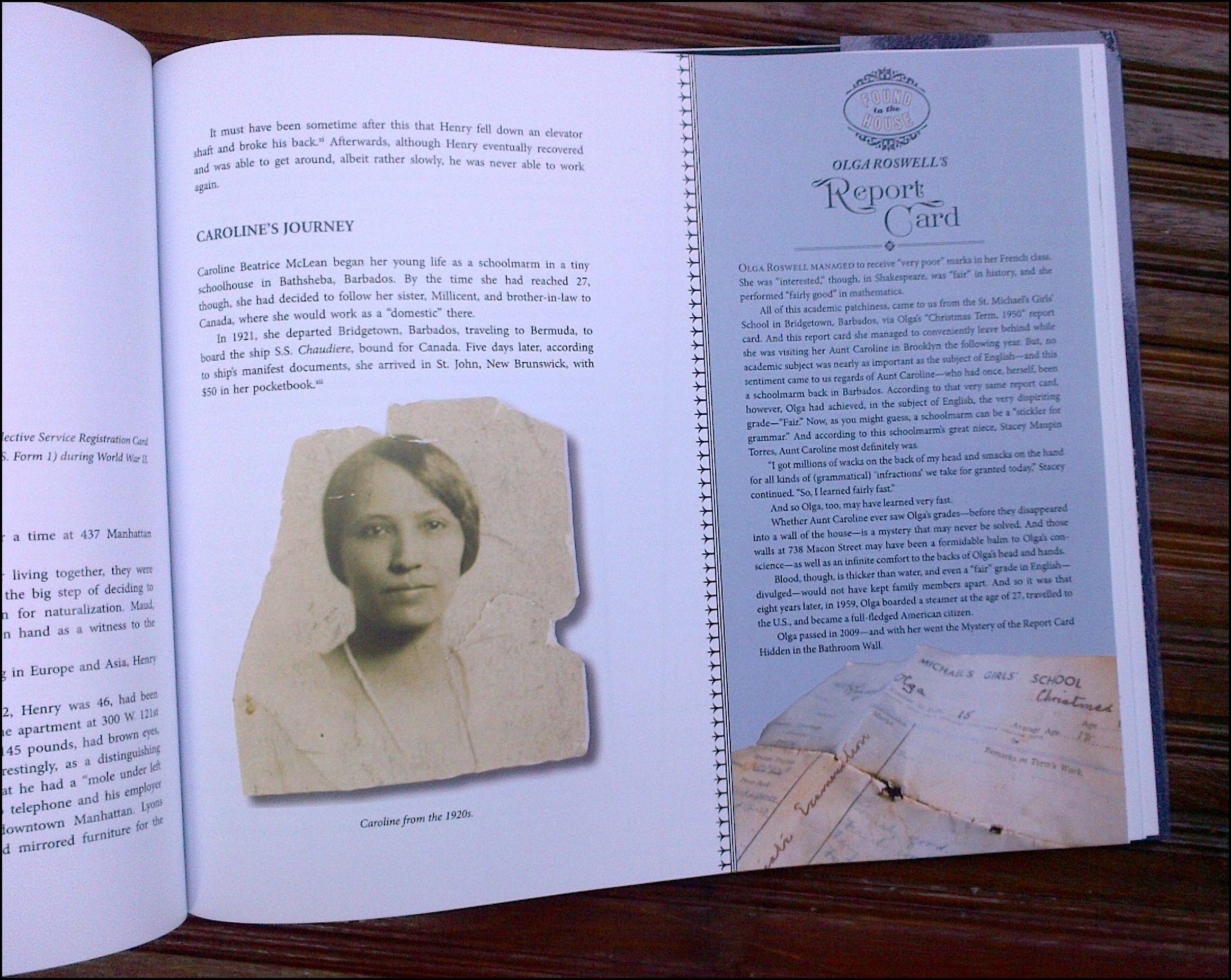
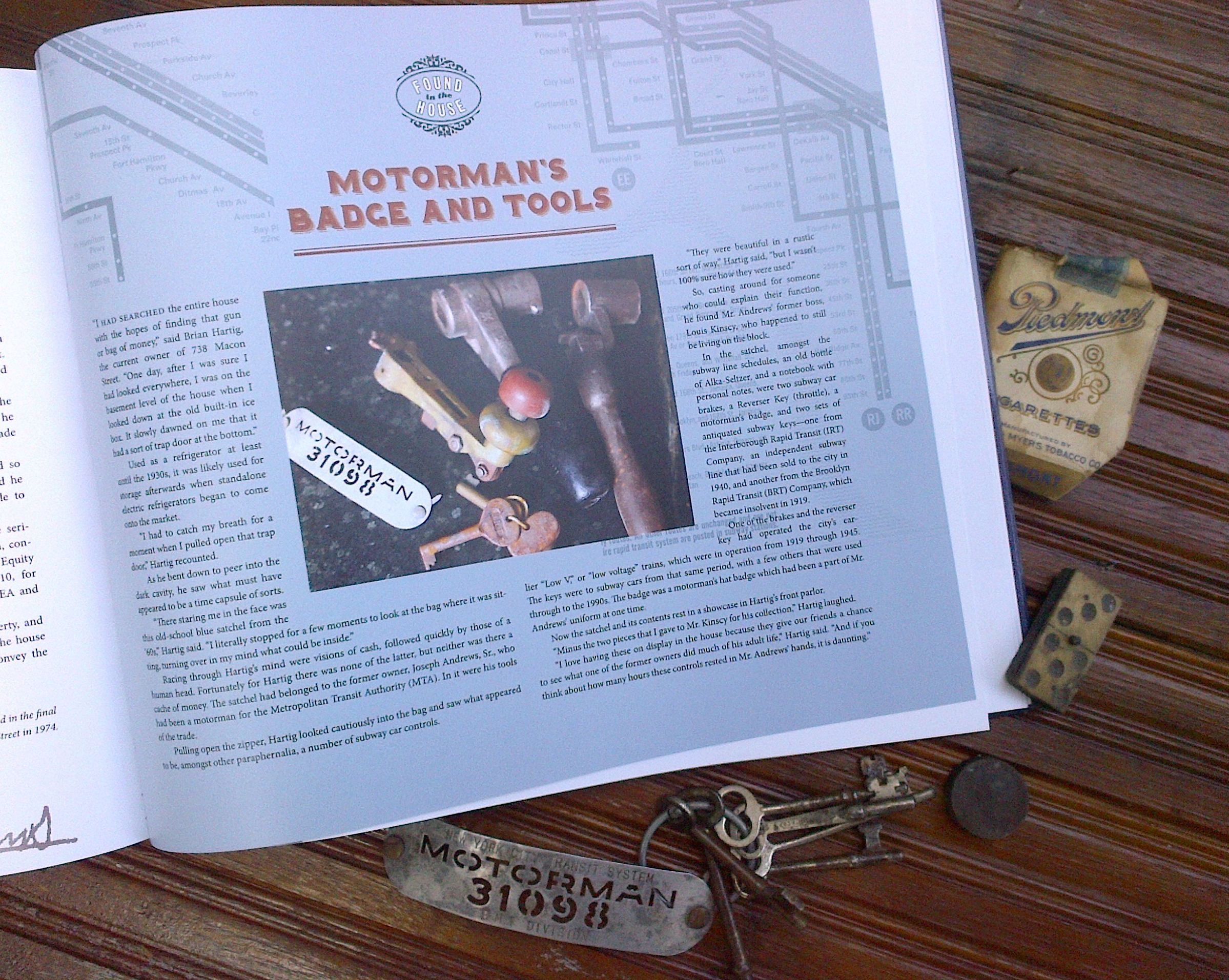
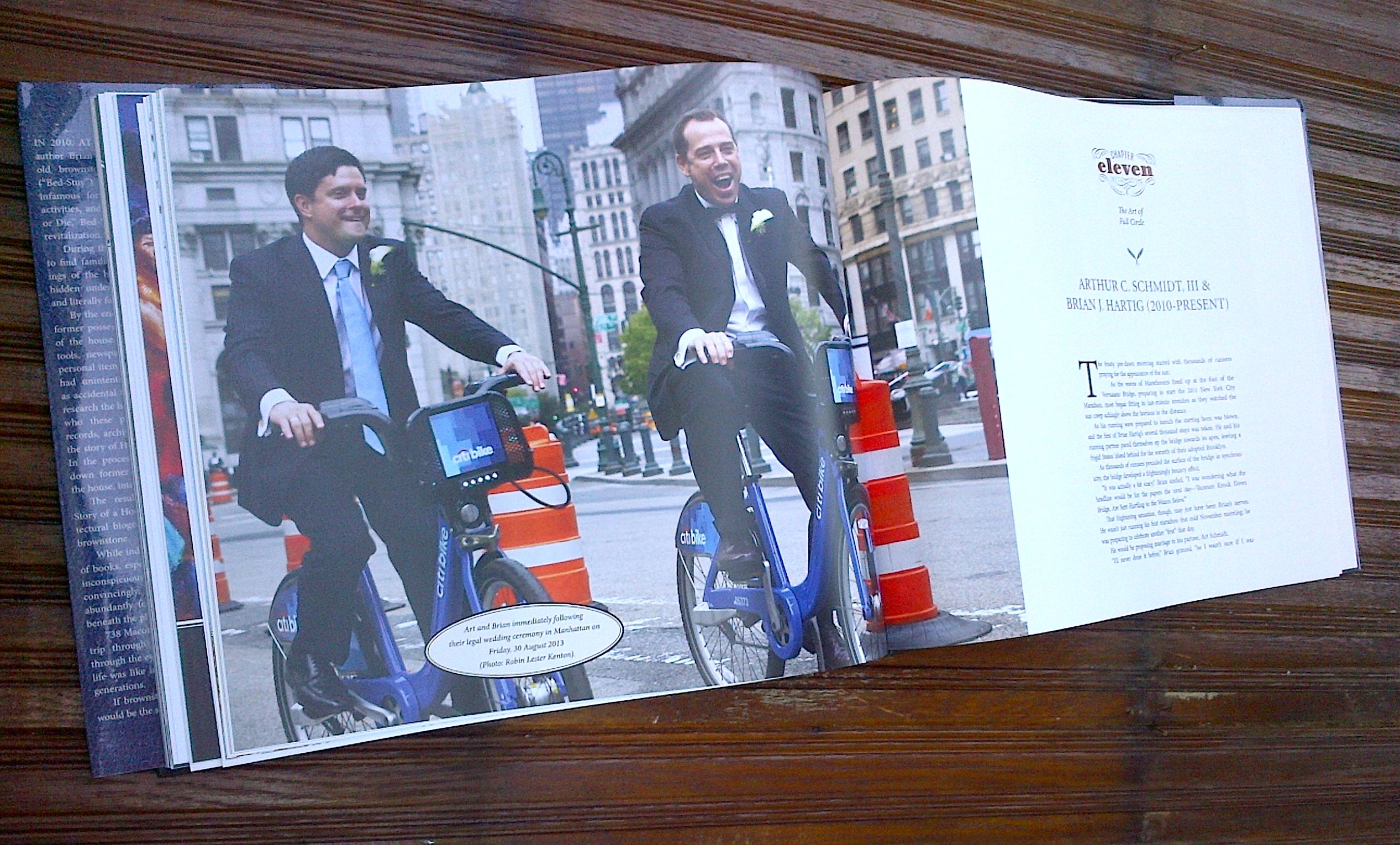
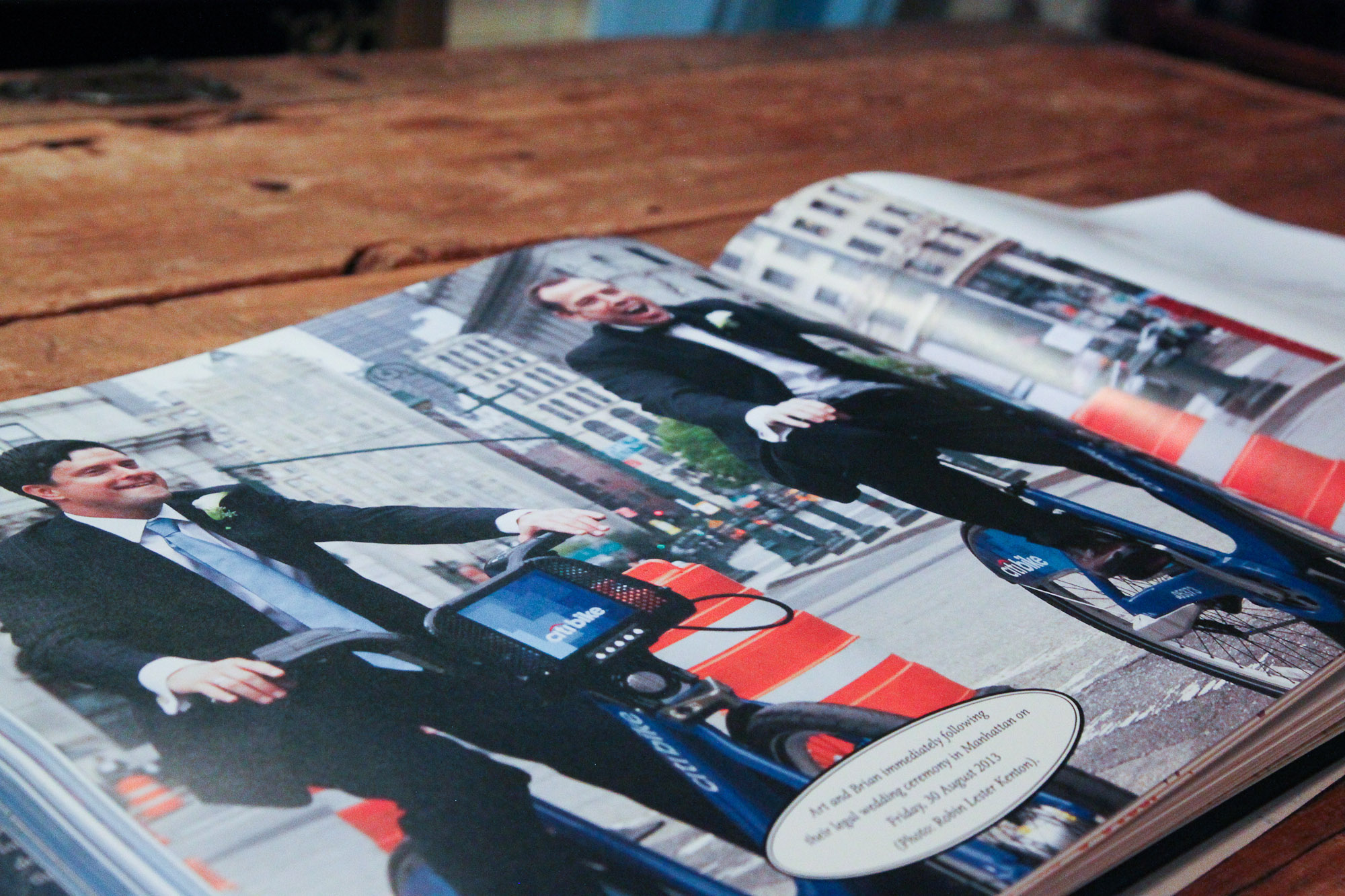
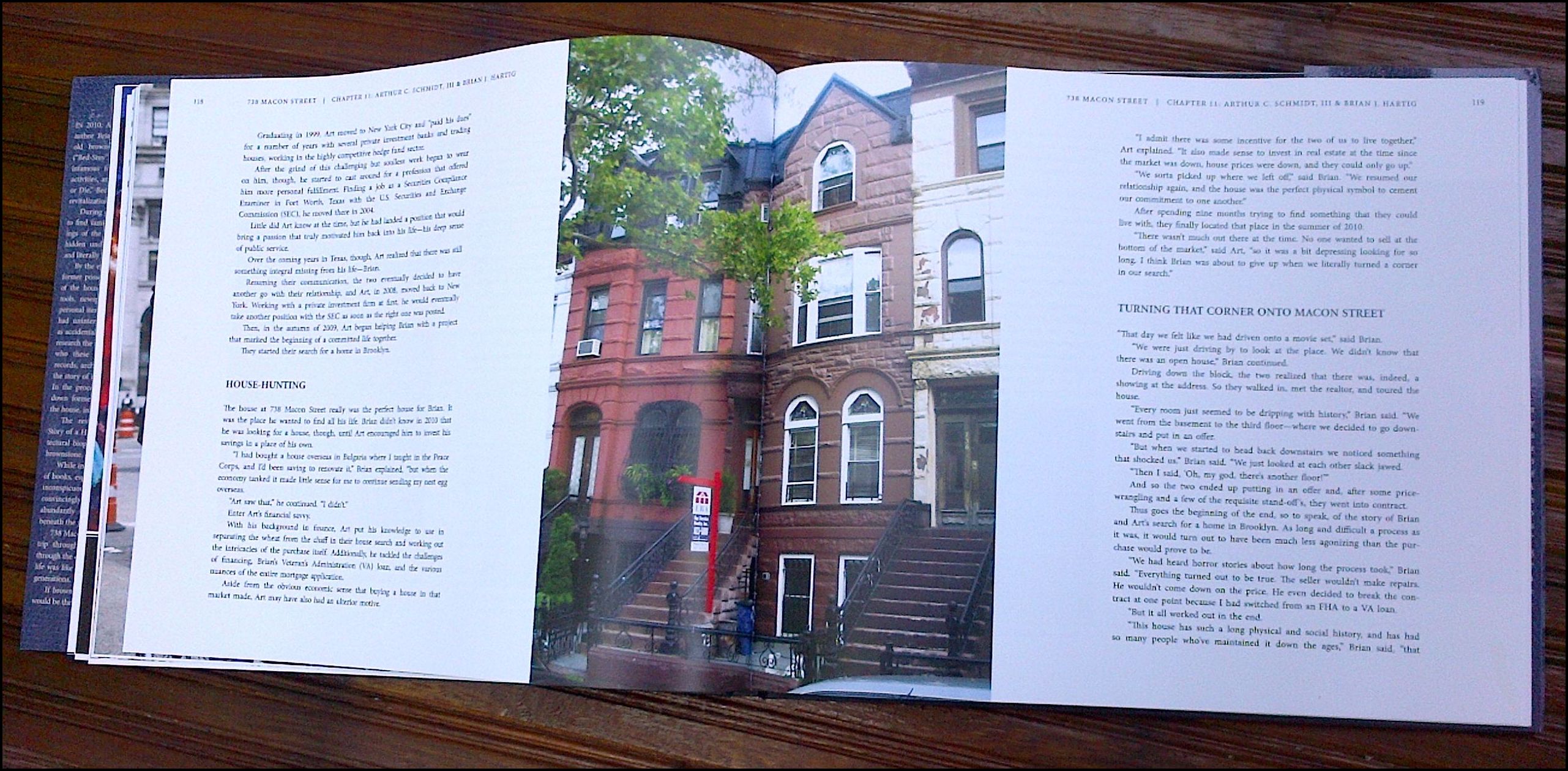
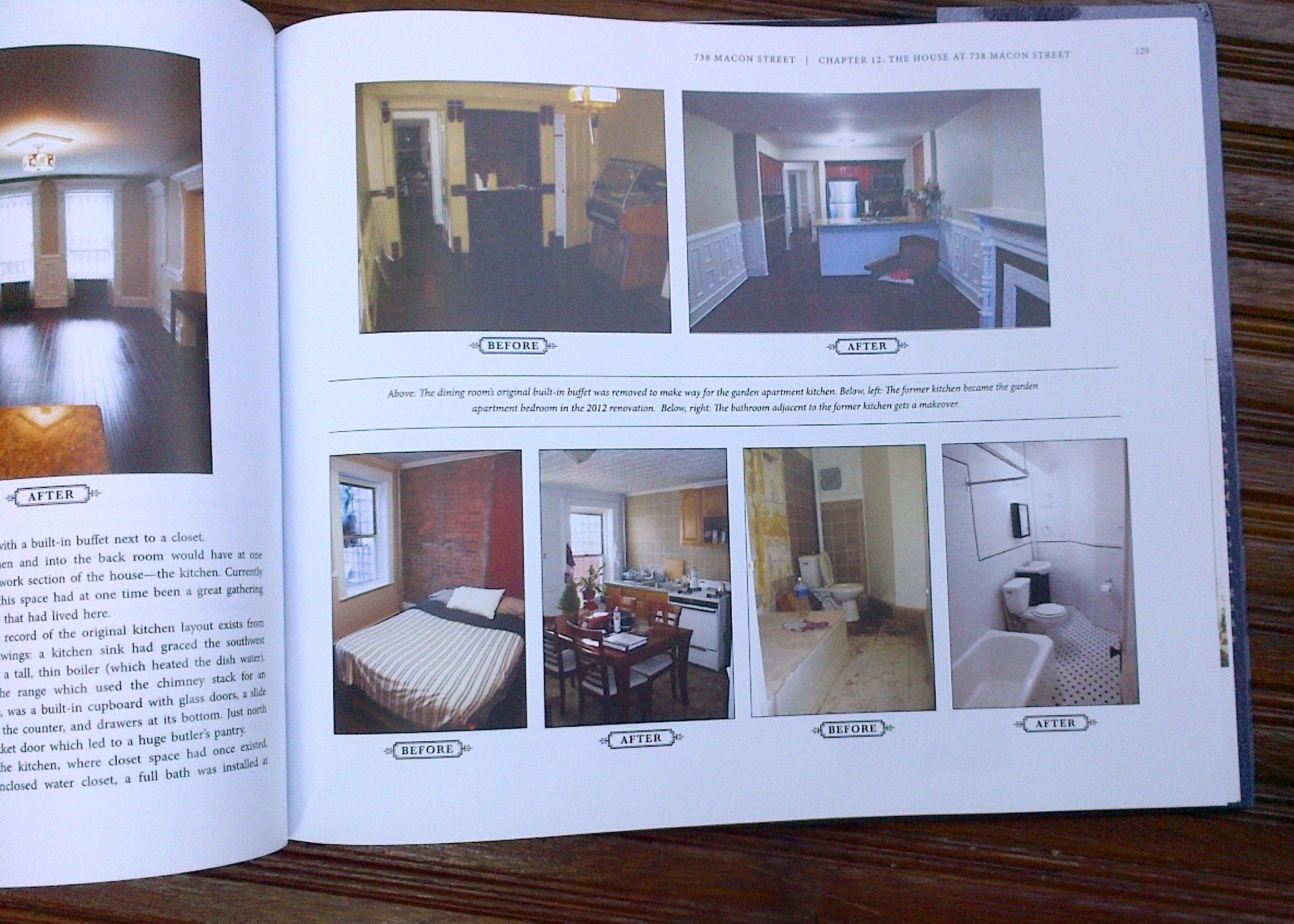
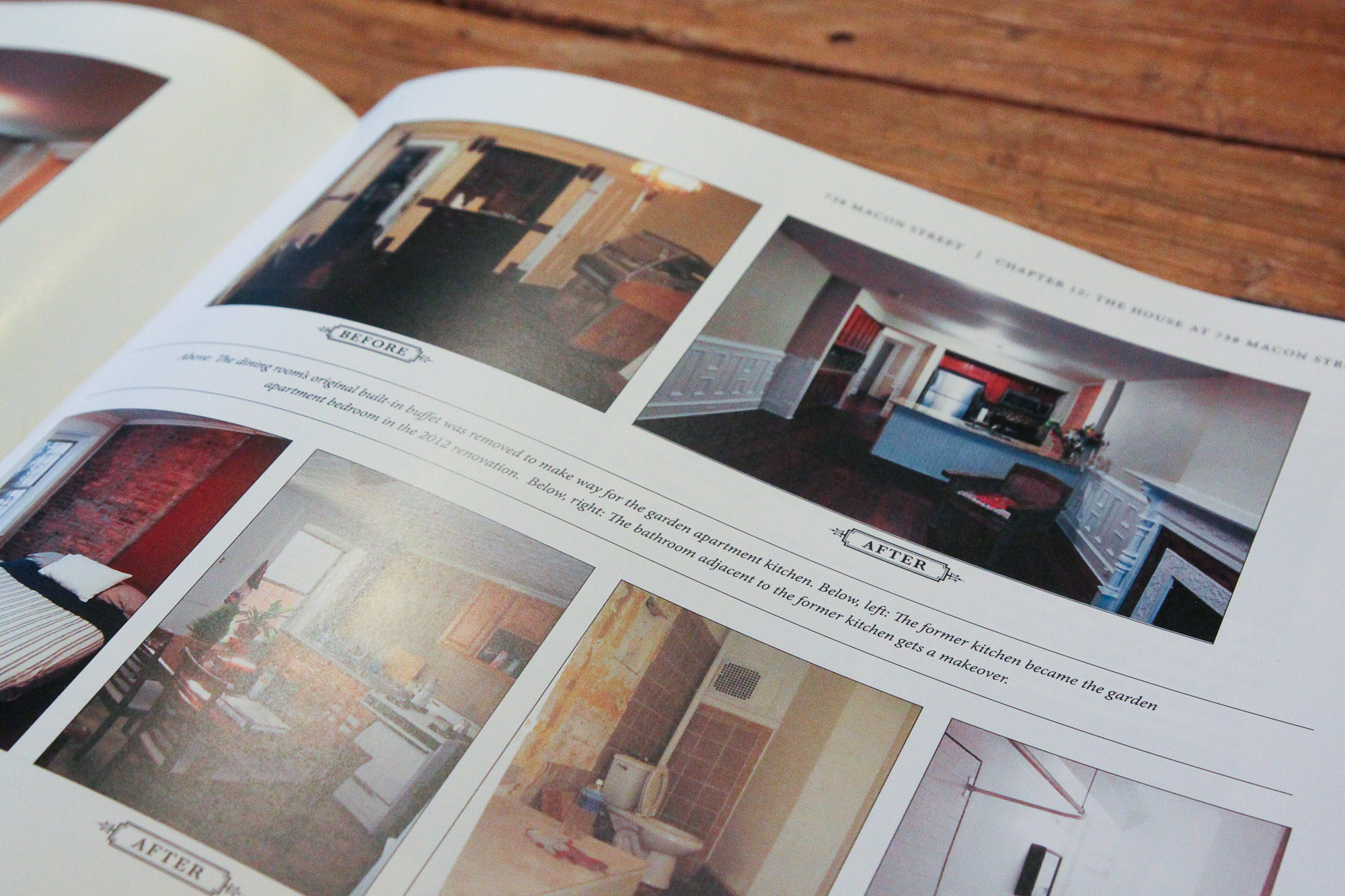
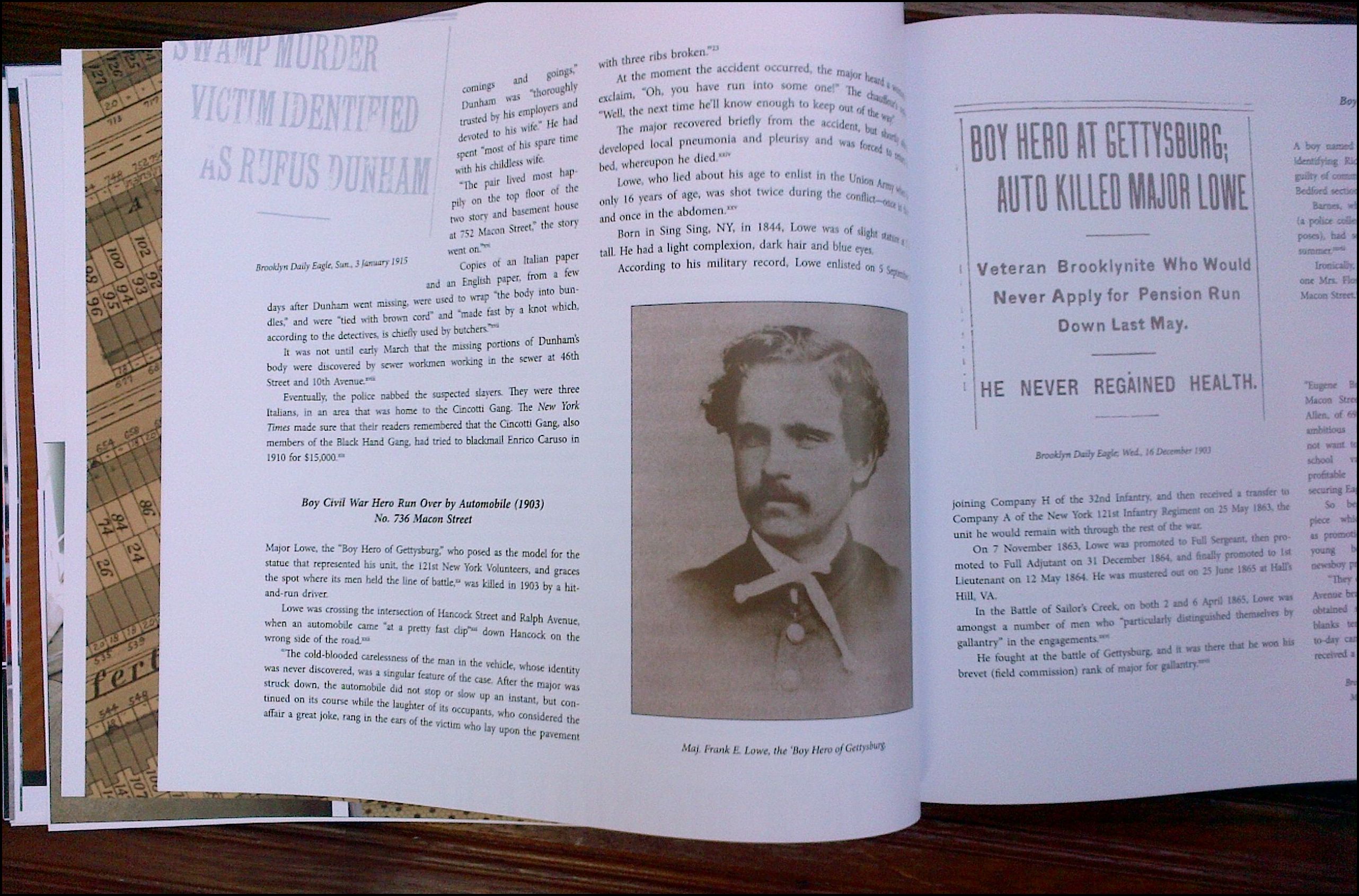
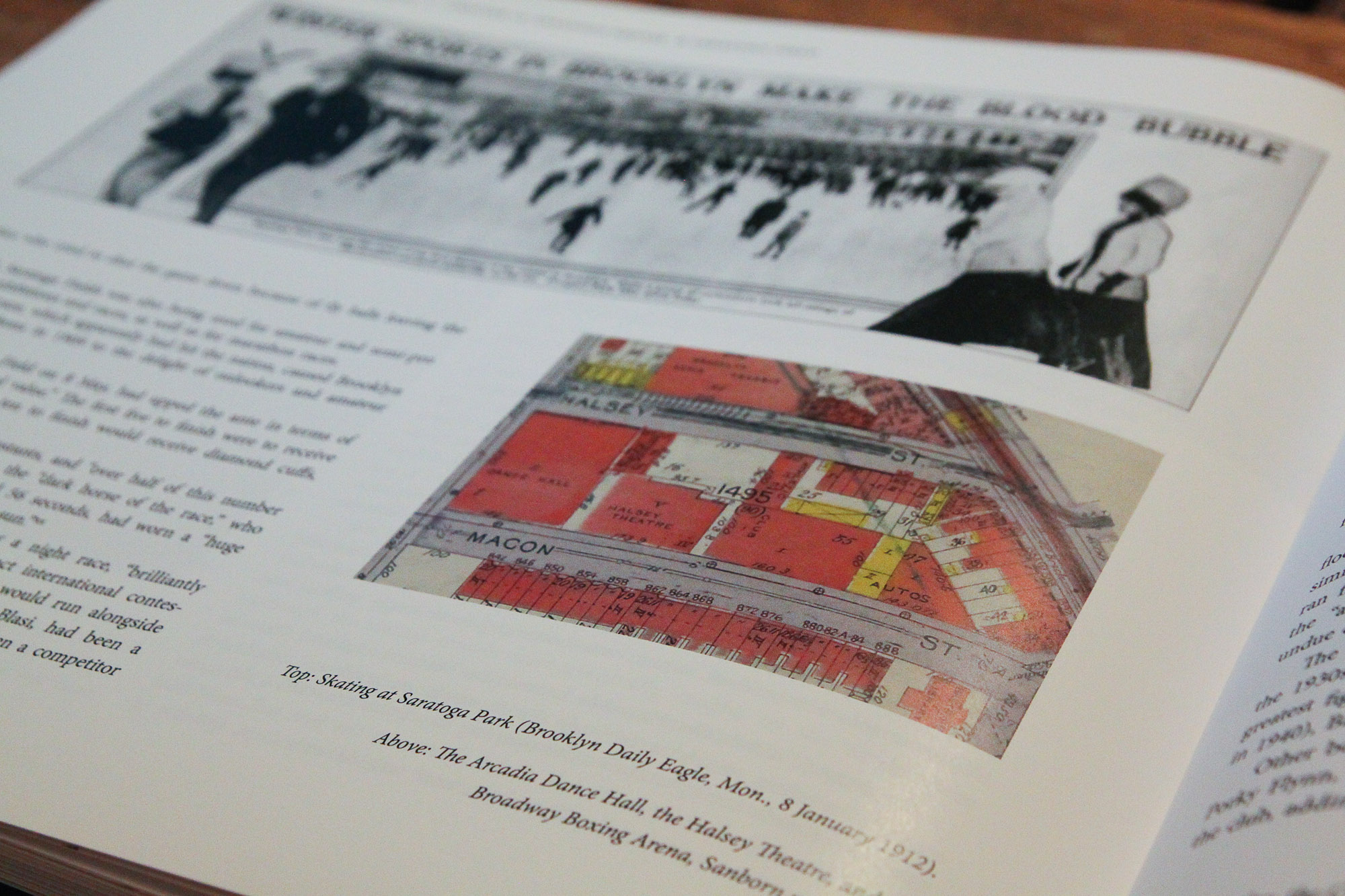
Our first Brownstone Detectives project, a 175-page House History Book about 738 Macon Street tells the story of an 1892 brownstone (and the history of the land beneath it), located in the Stuyvesant Heights section of Bedford-Stuyvesant. Built by Wilfred “Lucky 13” Burr, it has been owned by seven families throughout its 124-year existence. Fronted by a facade designed by renowned architect Amzi Hill, the house was initially meant to be a 3-story structure. After falling into foreclosure several times before the structure was completed, however, “Lucky 13” purchased the building and lot, completing the structure in 1893. In the process, he added an additional story to the house. The story of this house, incidentally, has become the basis for an episode of the HGTV series, “Who’s Lived in My House?” -

280 President Street
-
280 President Street
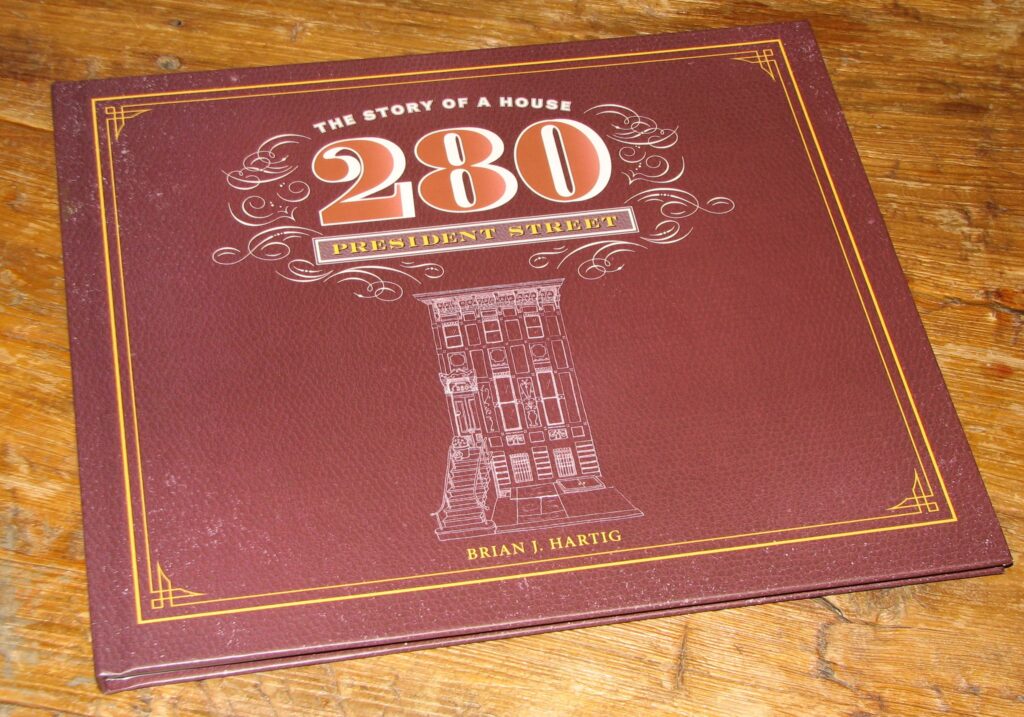
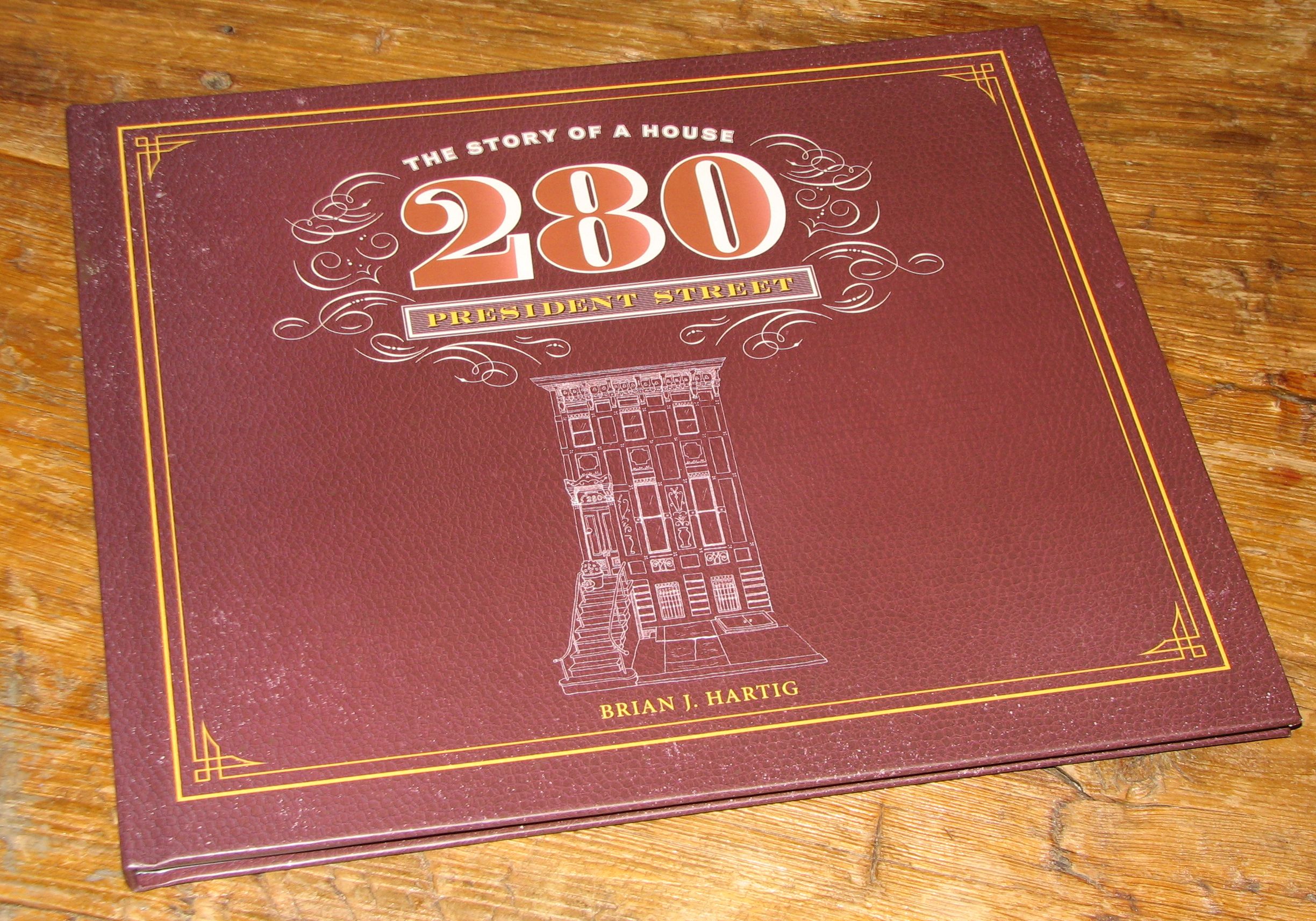
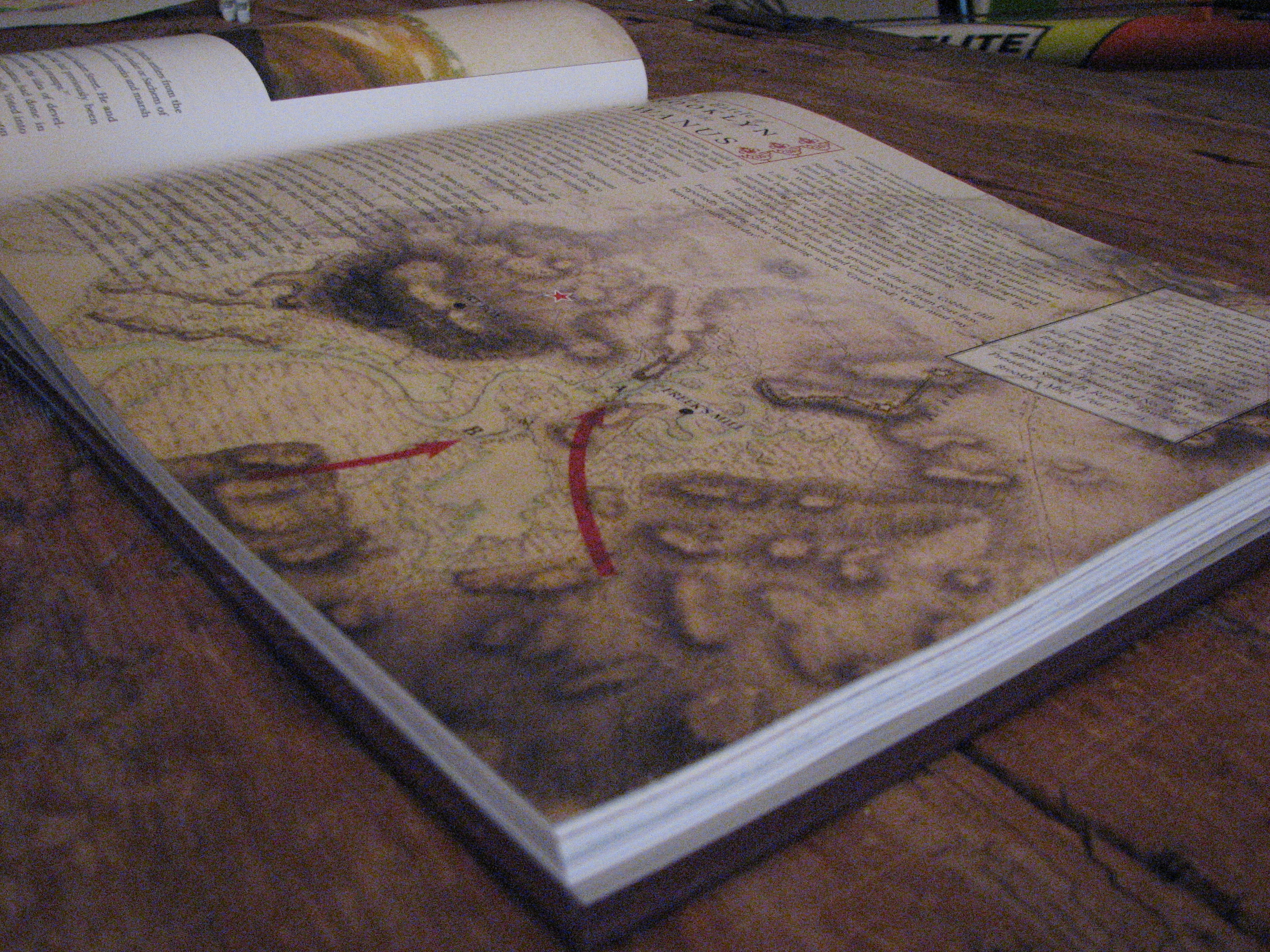
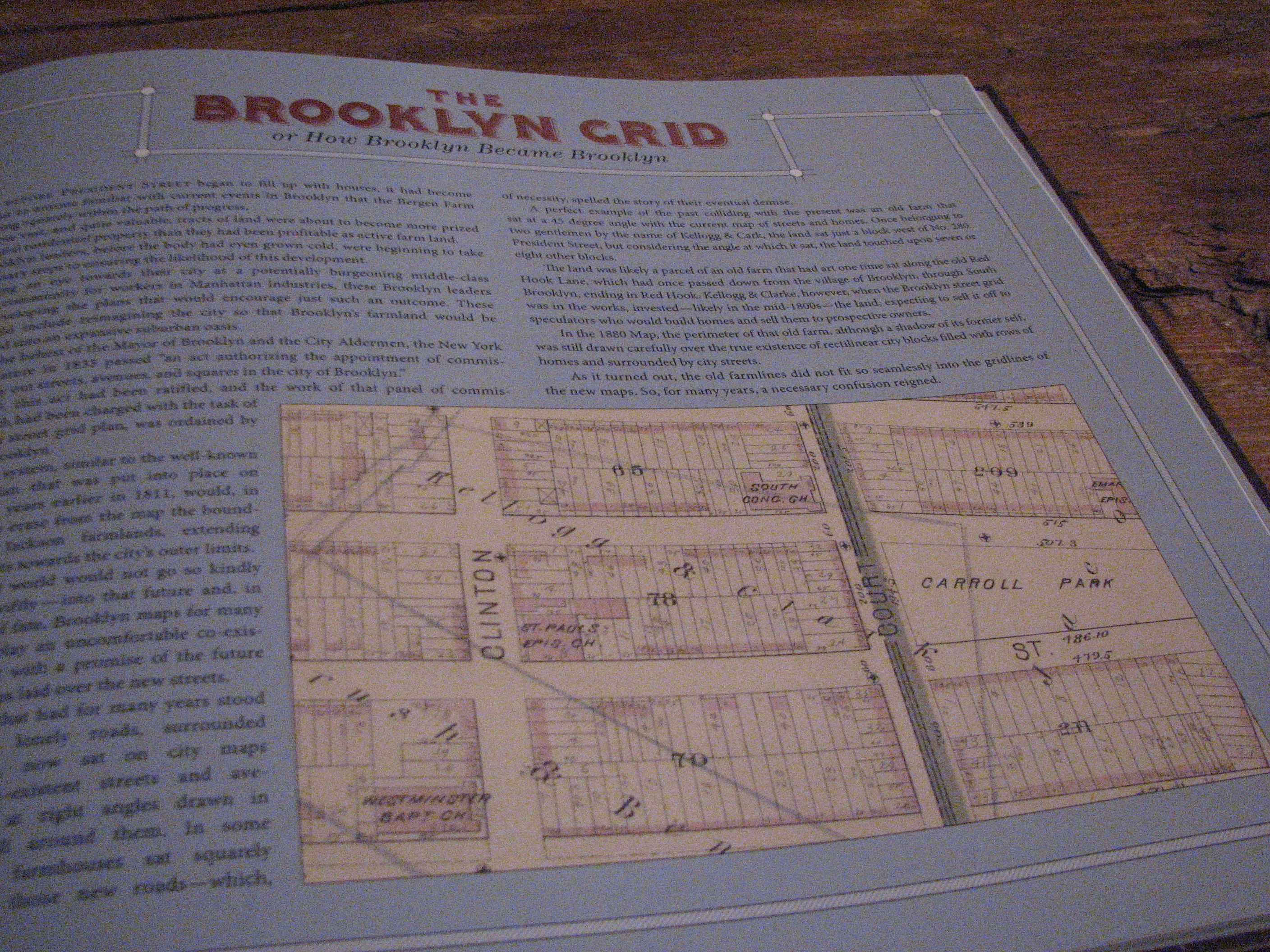
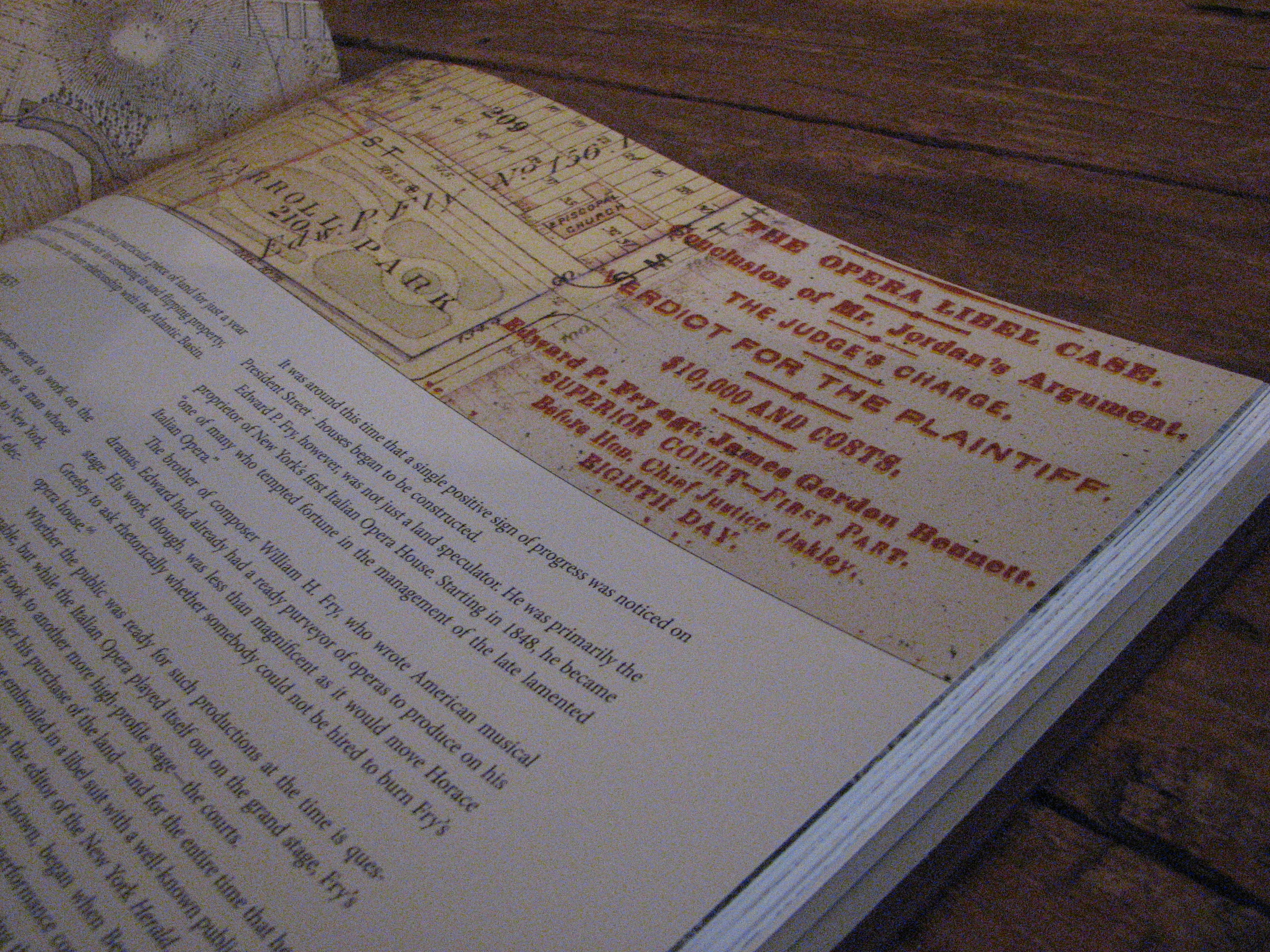
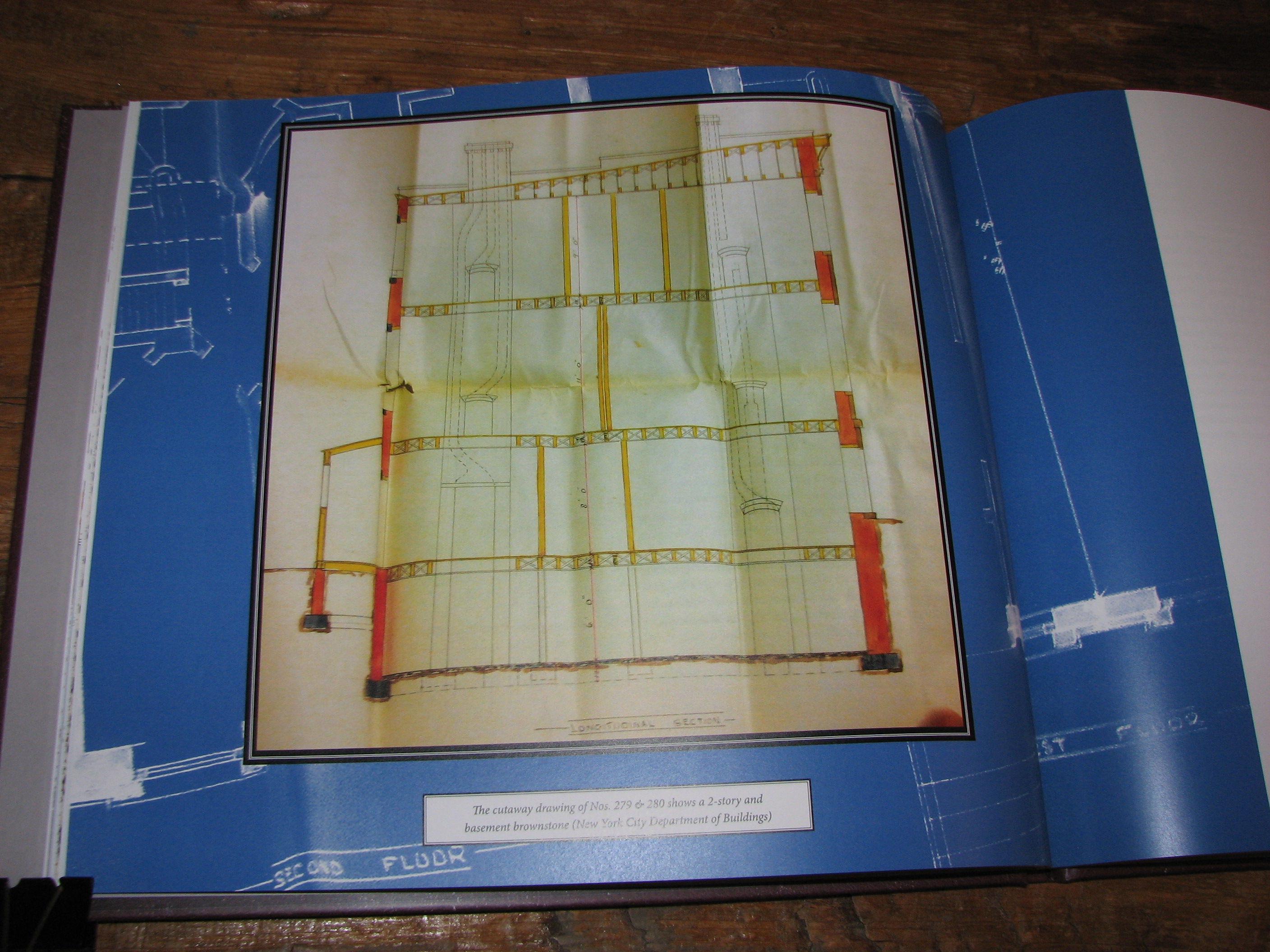
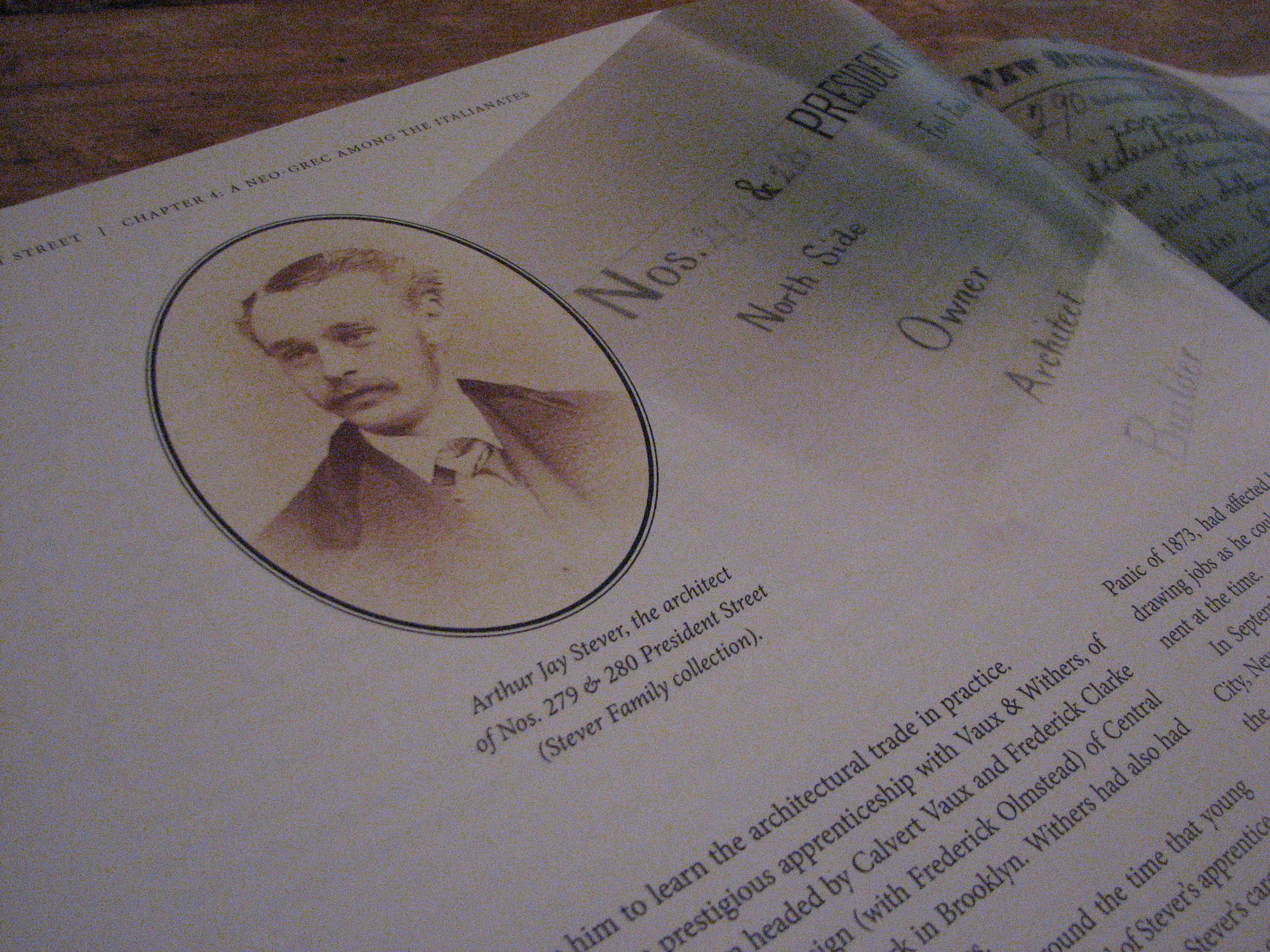
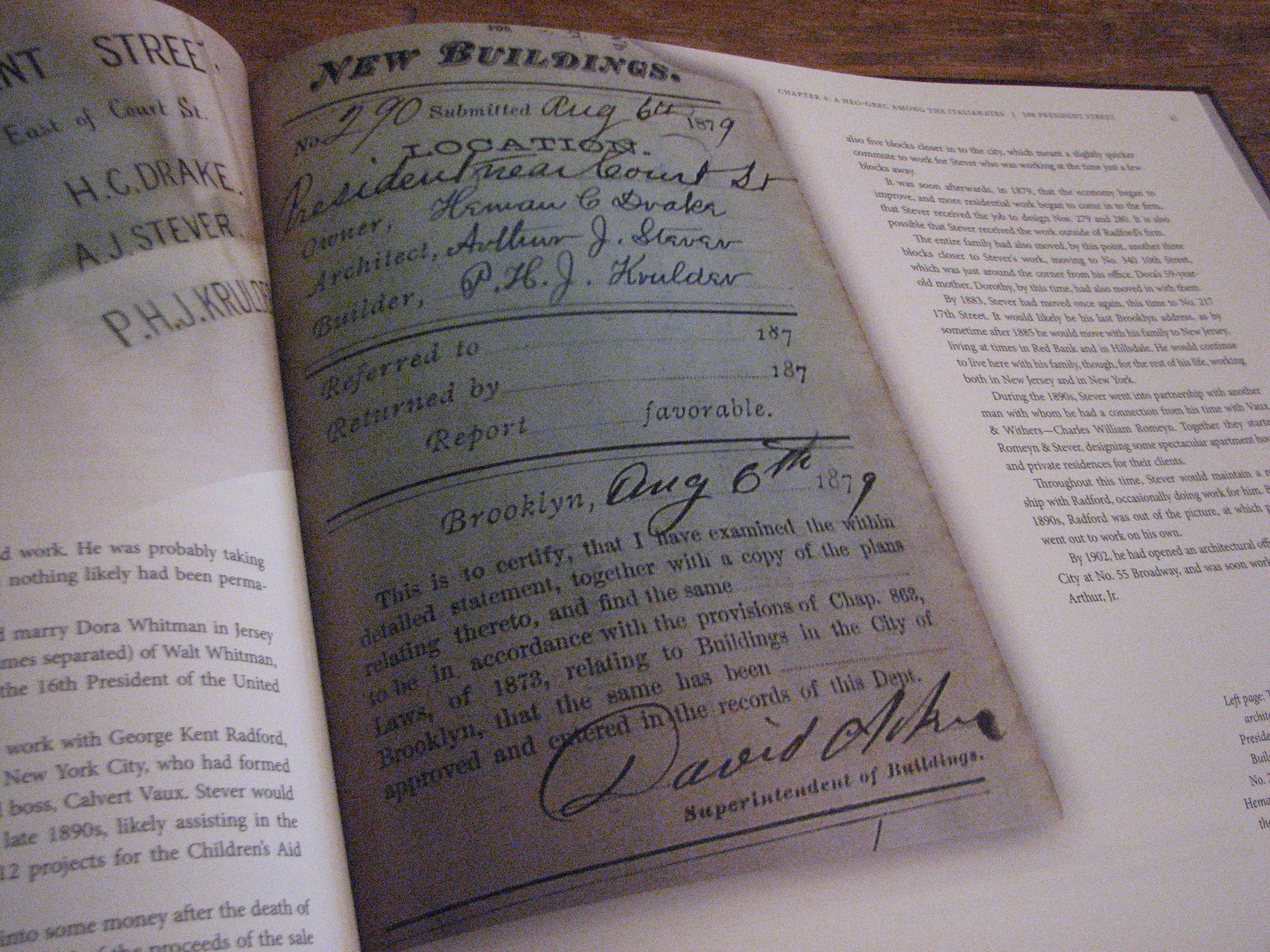
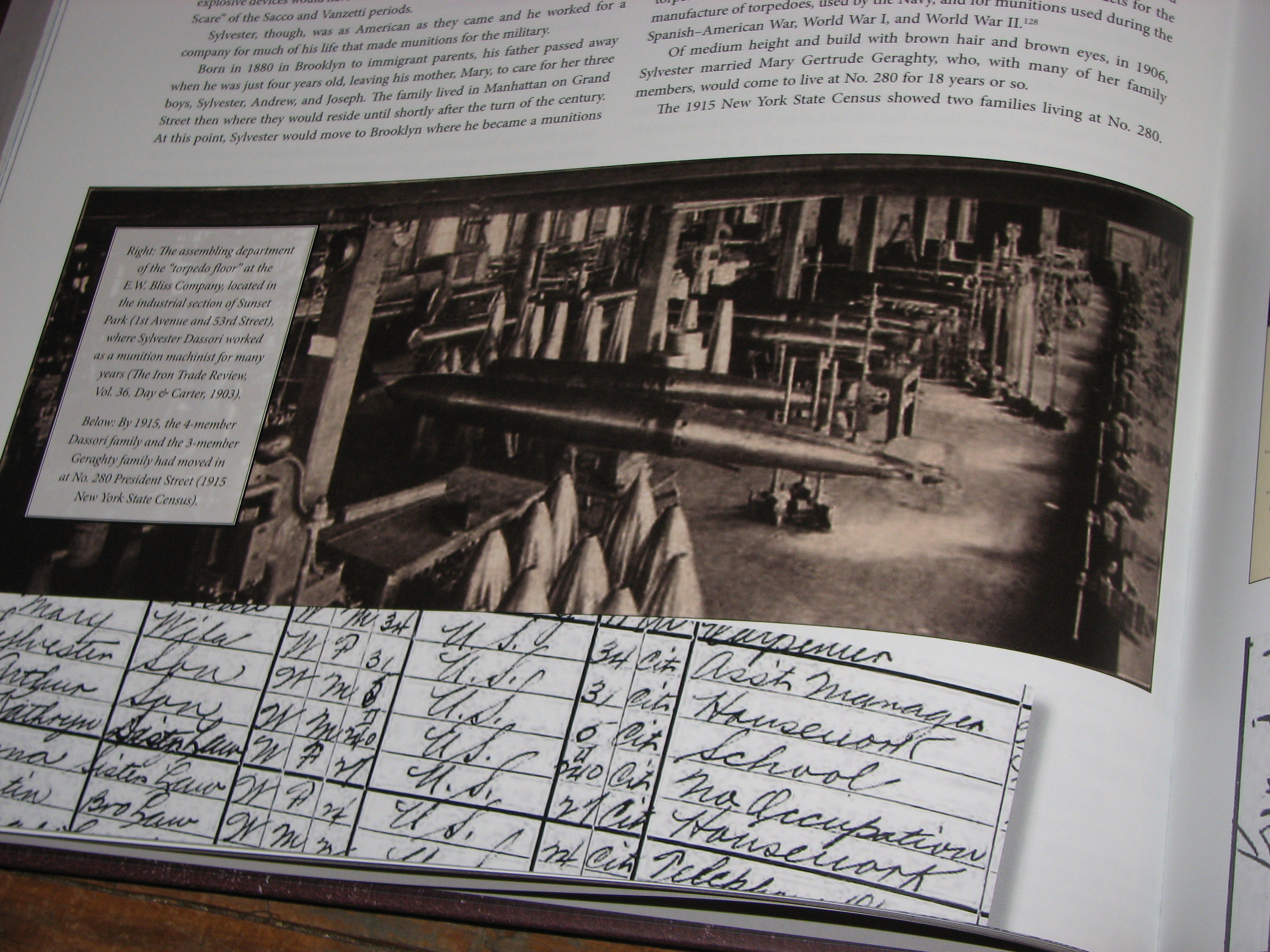
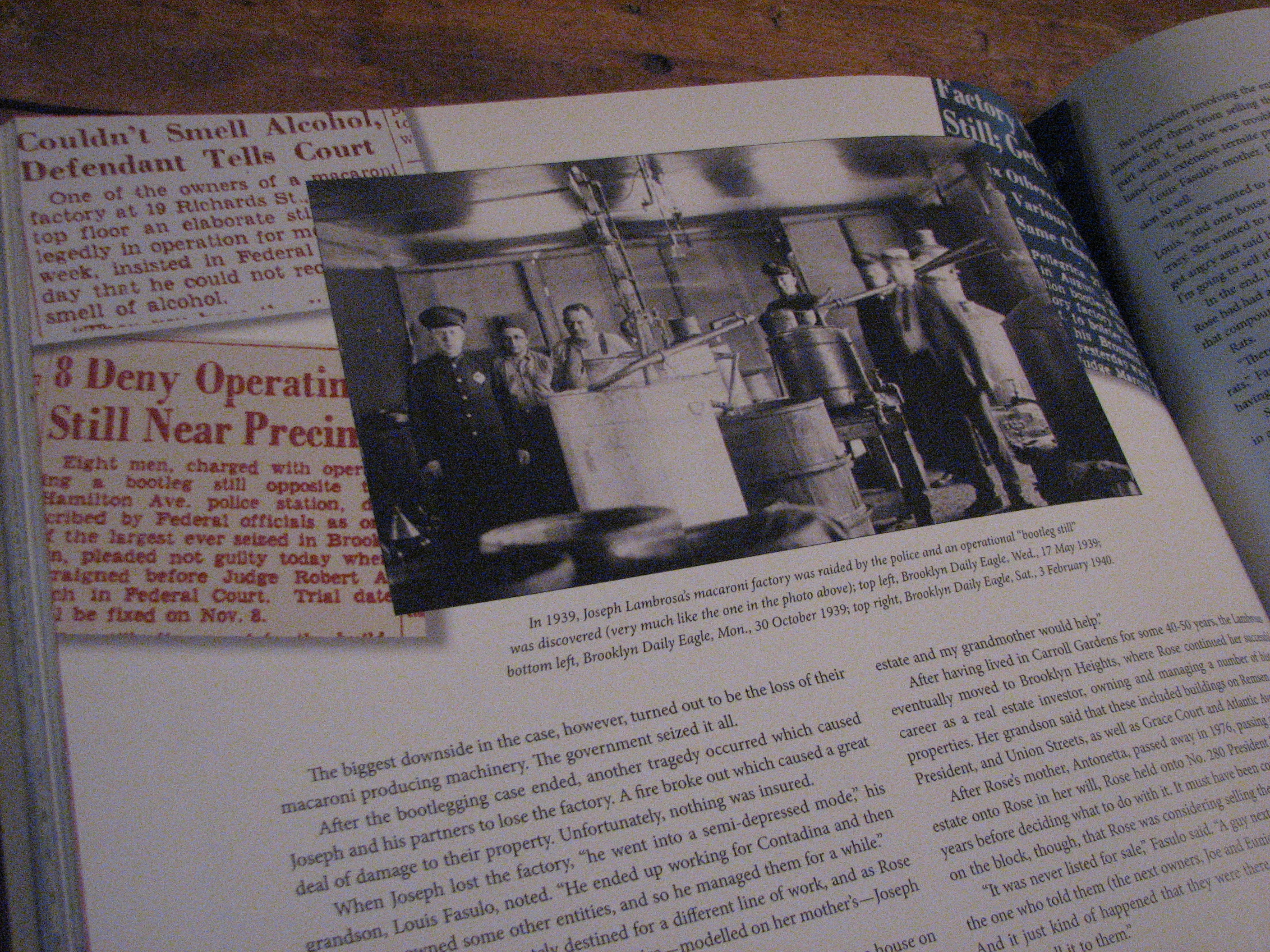
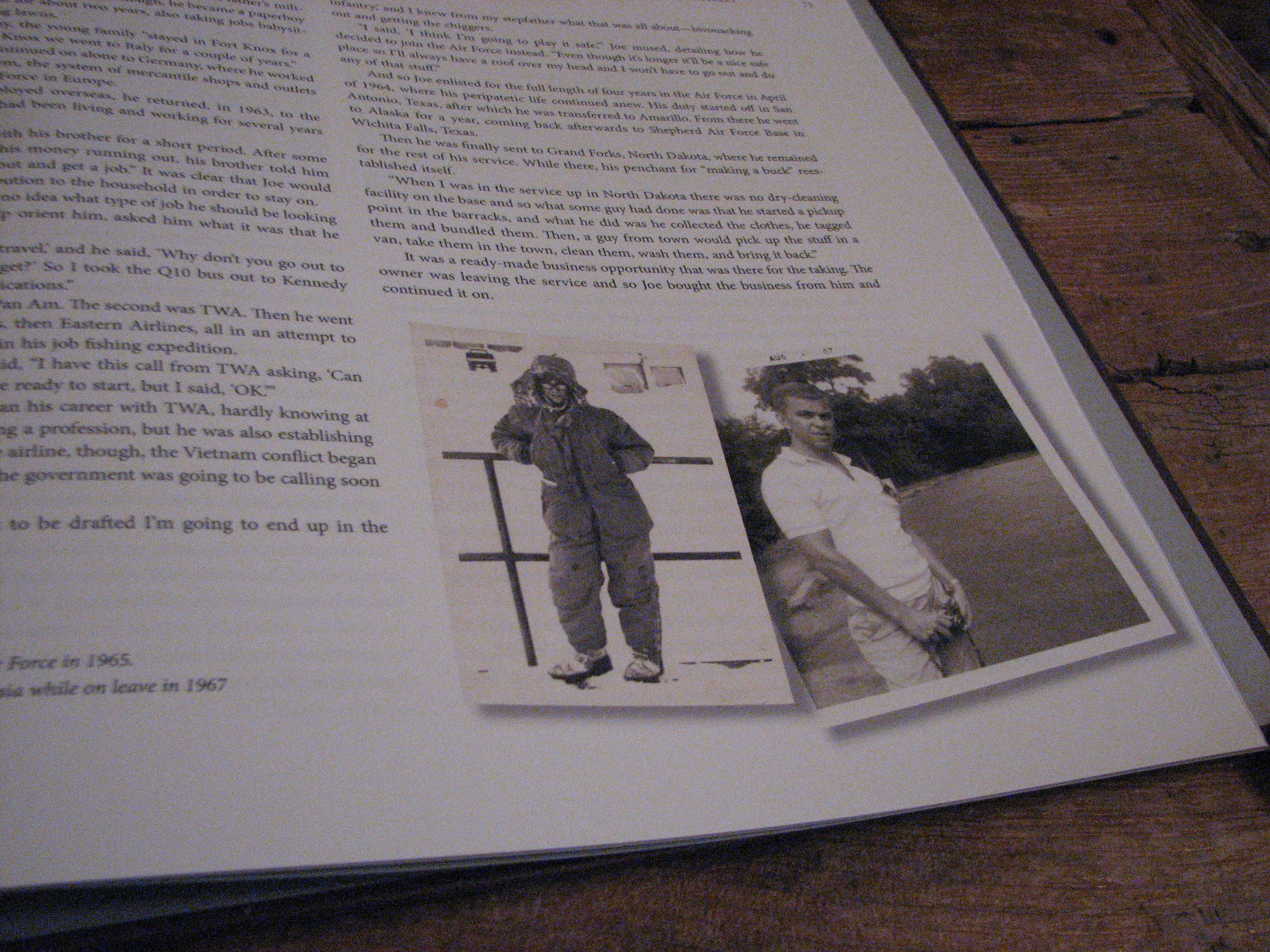
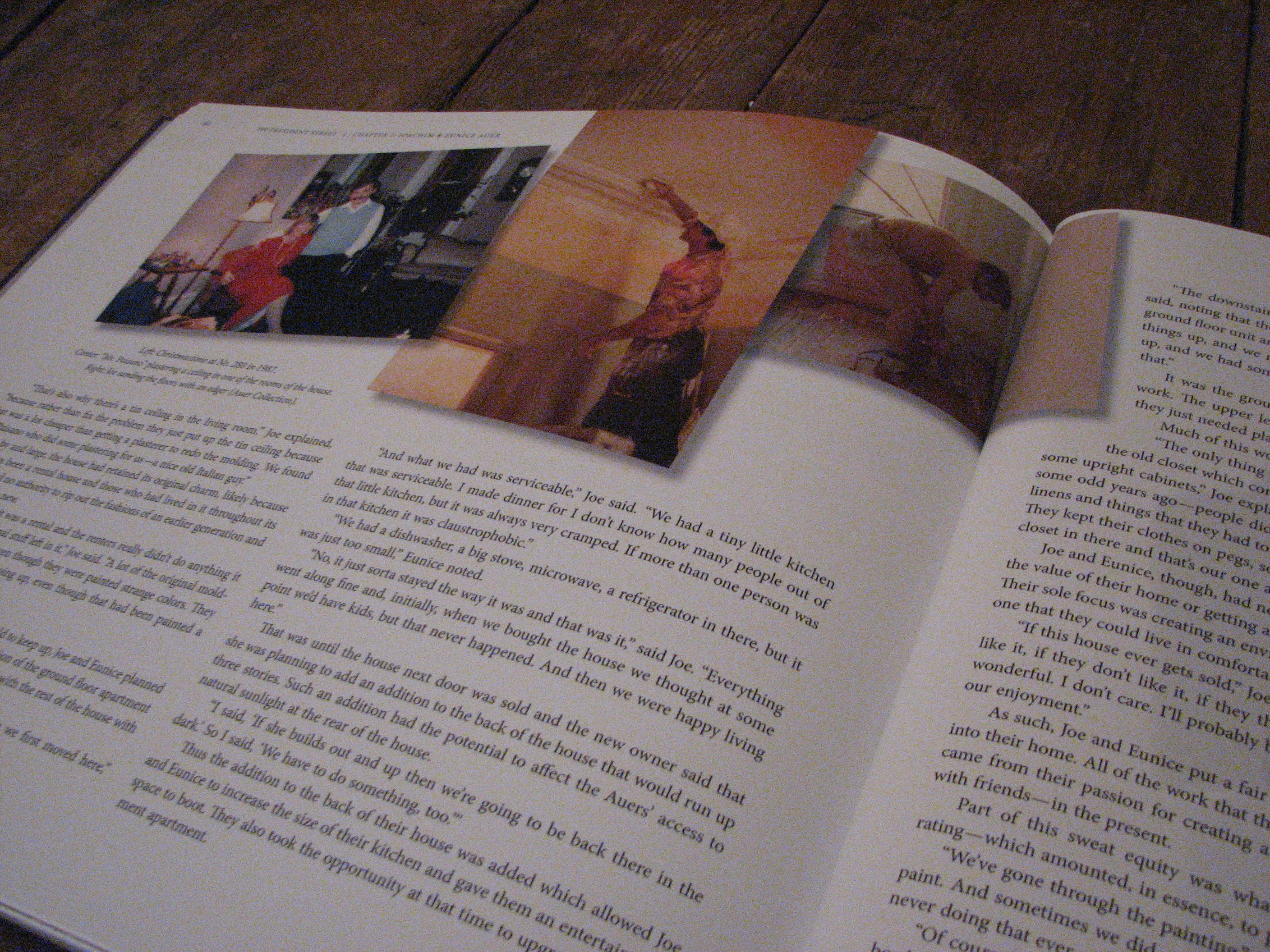
280 President Street is an 85-page "image-wrap" House History Book telling the nearly decade and a half story of a Neo-Grec rowhouse located in the Carroll Gardens neighborhood of Brooklyn. One of the last buildings constructed on its block (in 1880), it is surrounded by Italianate houses and sits directly across the street from Carroll Park. Not only were we able to track down the house’s original architectural blueprints, but we also located the family of the architect who provided us with a rich history of their ancestor. Additionally, we discovered an amazing fact about the house: until its current owners purchased the property in 1879, it had been used as a rental house for the first 100 years of its existence. Thus, No. 280’s history is filled with the colorful stories of the renters who have called this house their home. Amongst them was a British cheese dealer, a newsman who predicted his own death, a leather merchant with a penchant for chorus girls, an alleged wife murderer, a German dentist who was a perennial Republican political candidate, a Norwegian hero tugboat captain, and an Italian bomb builder. Our tale ended with the love story of two TWA employees who lovingly restored their home and have, since, with open arms and open doors, invited friends and family to share in the warmth and happiness of their home. -

231 Cumberland Street
-
231 Cumberland Street
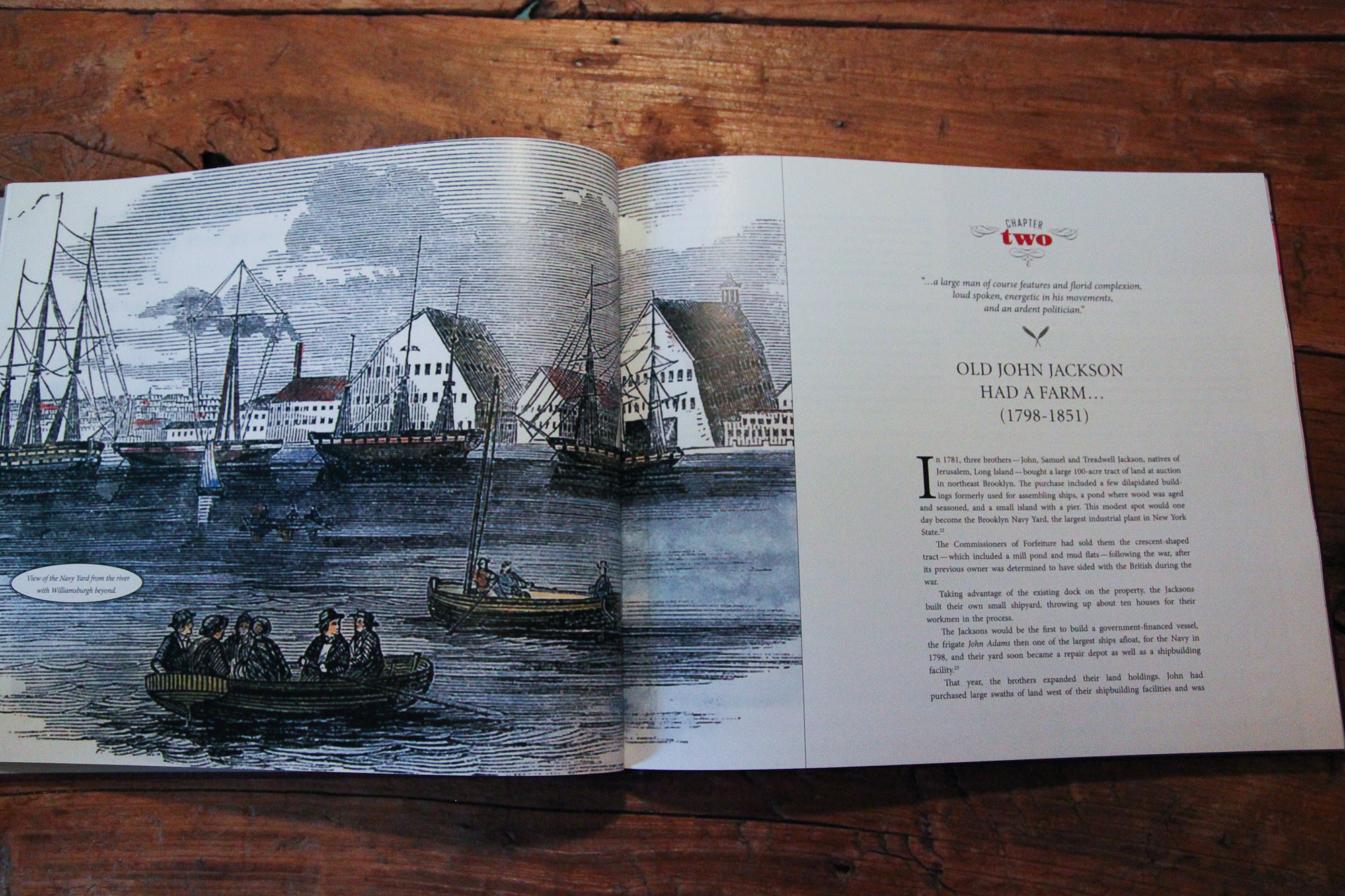
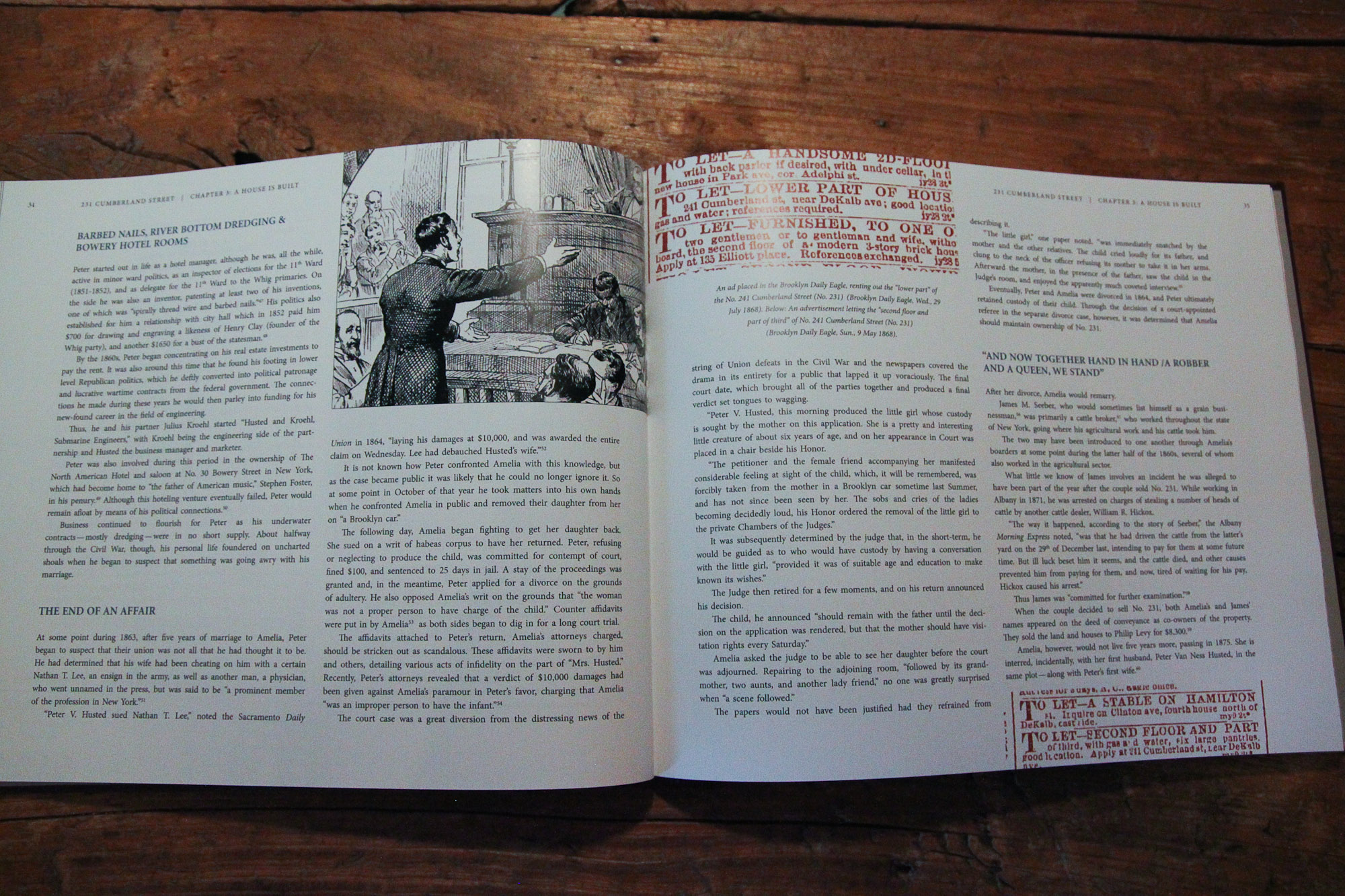
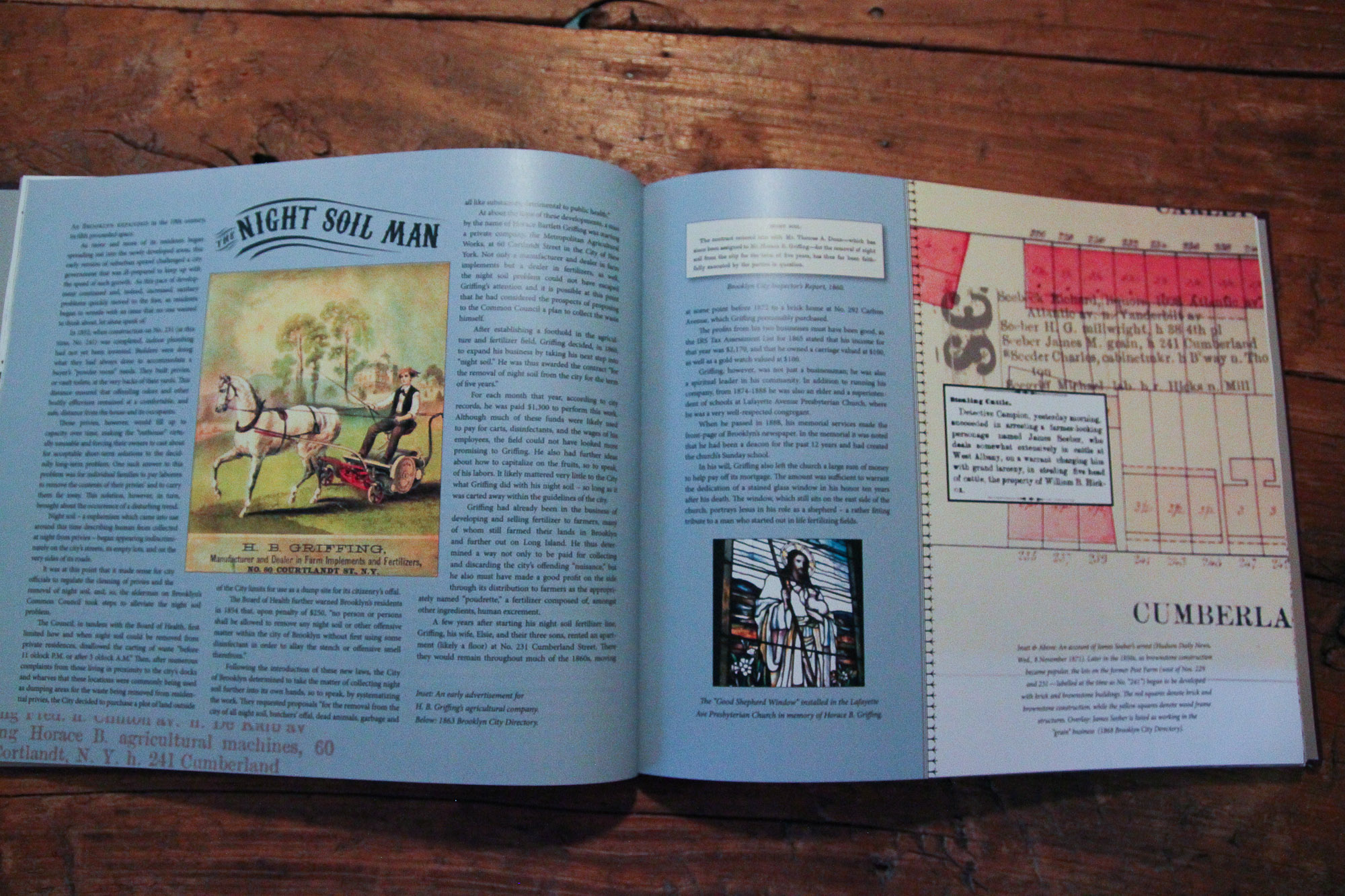
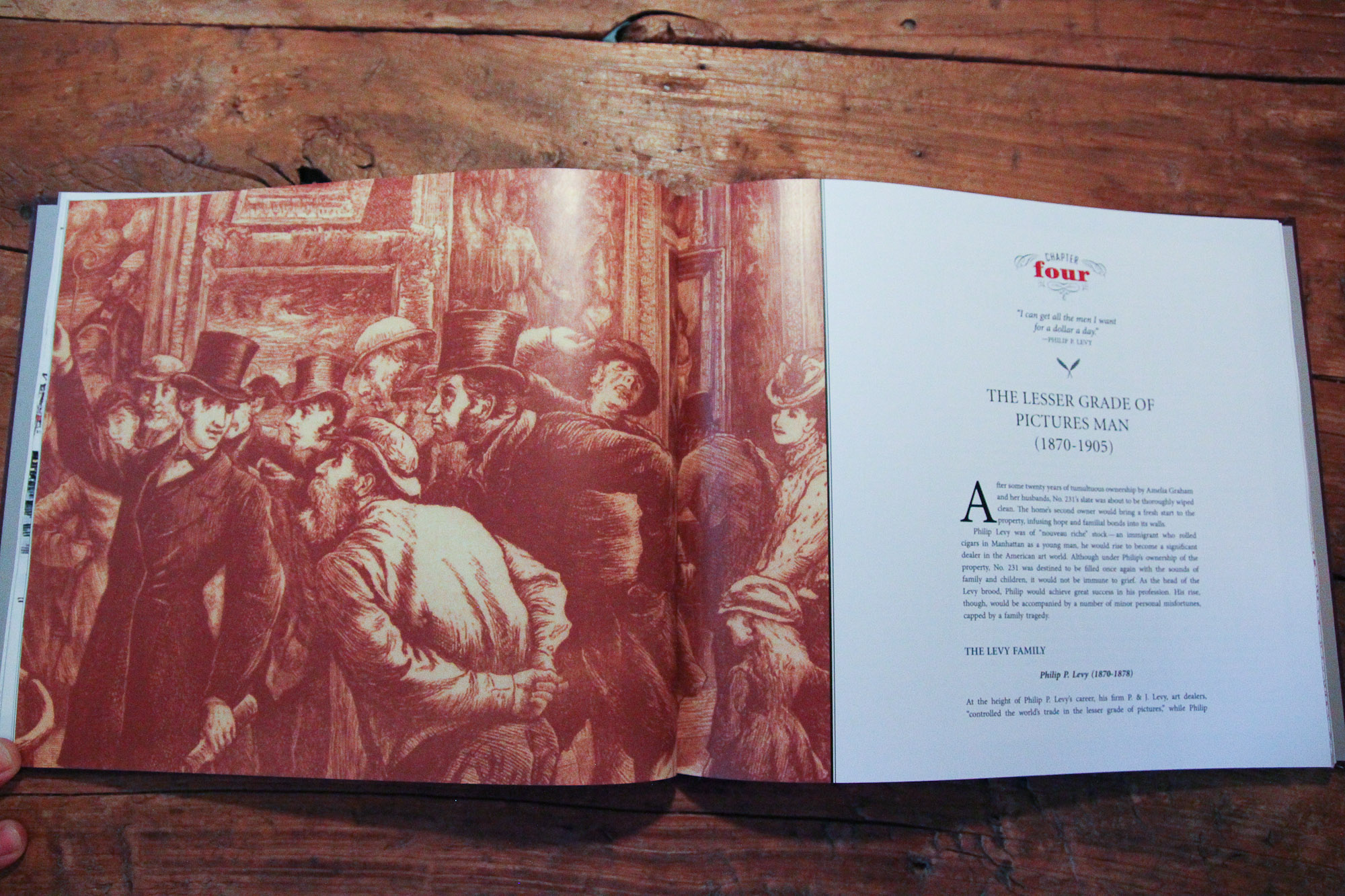
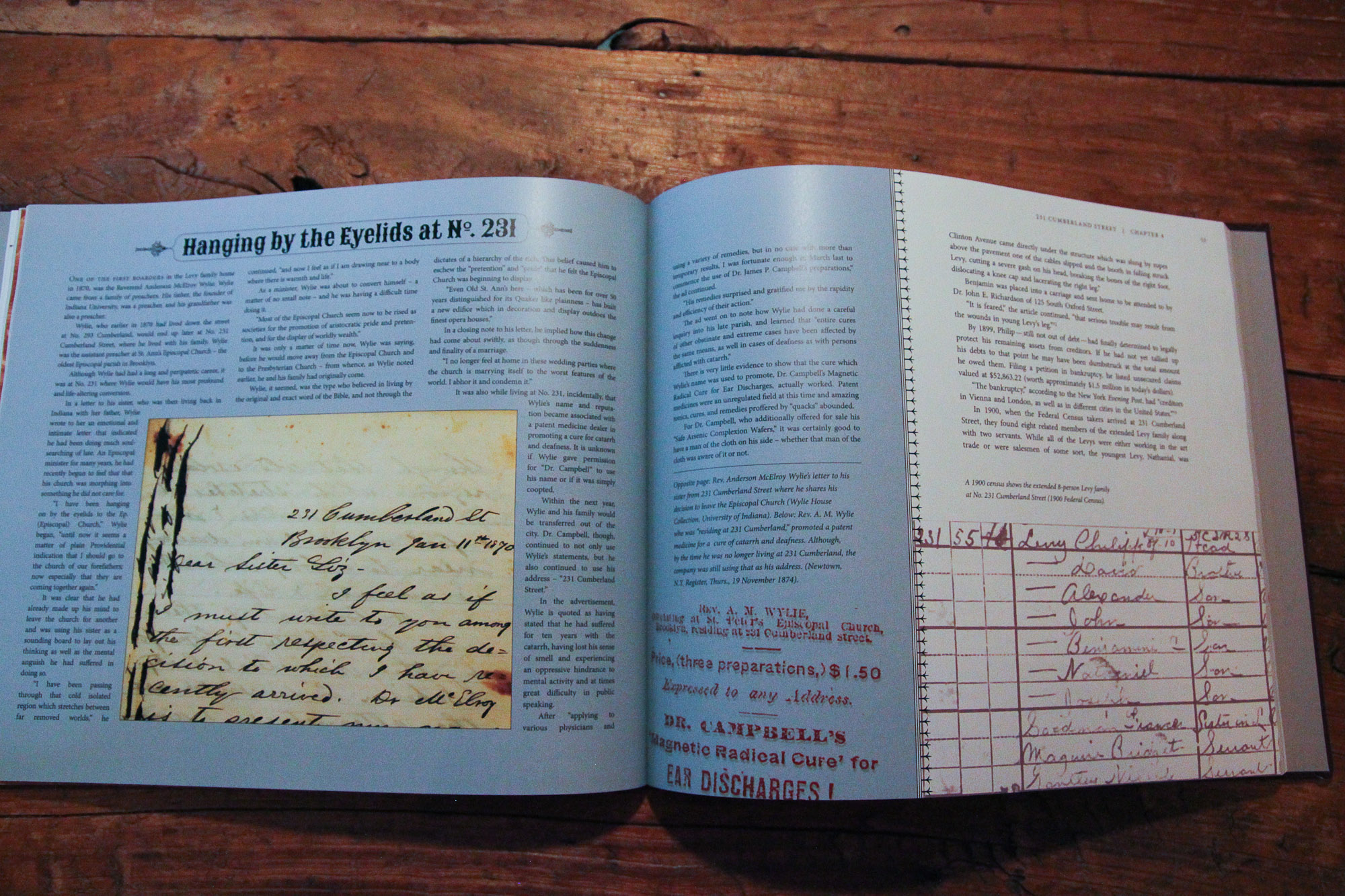
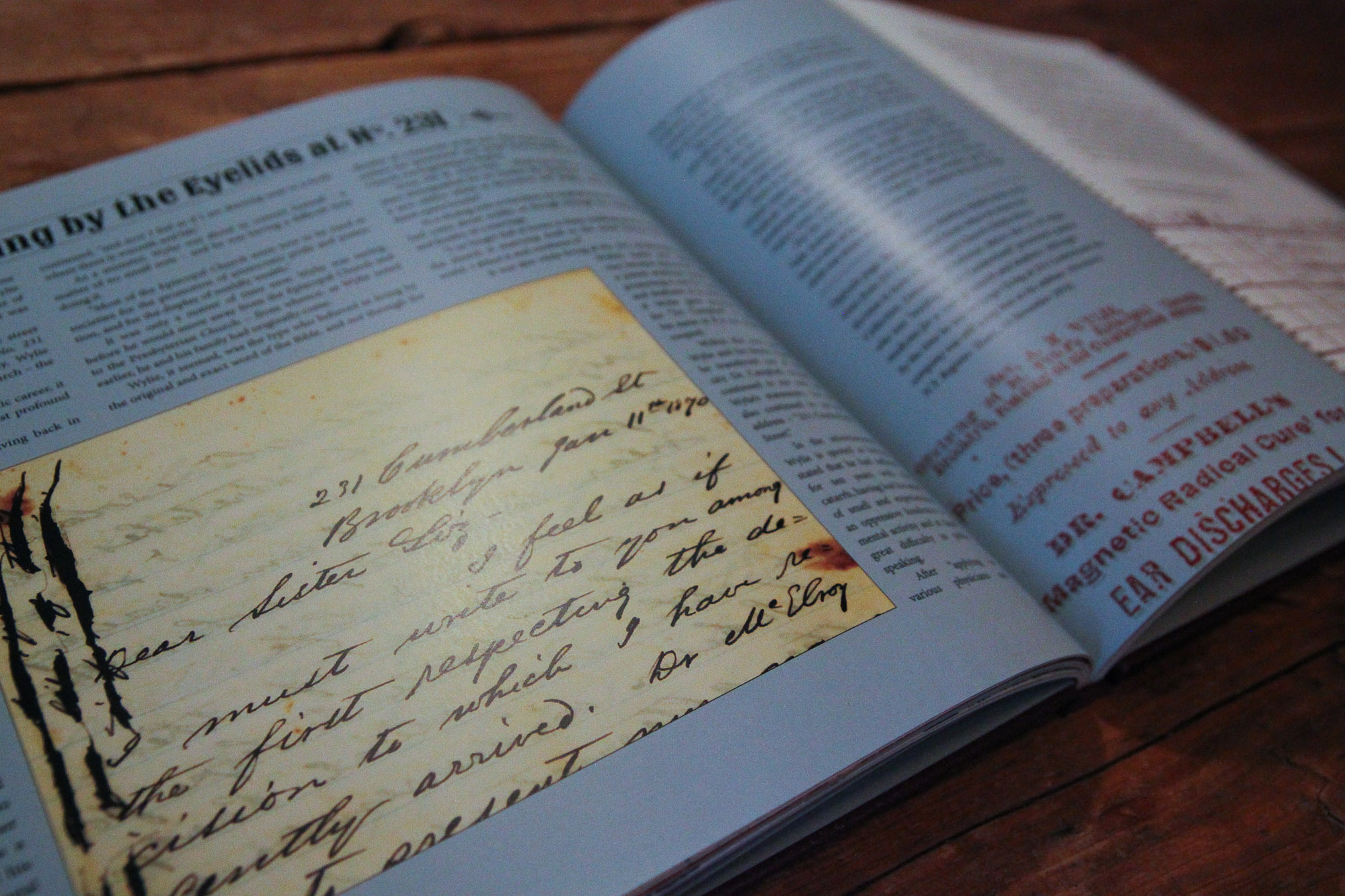
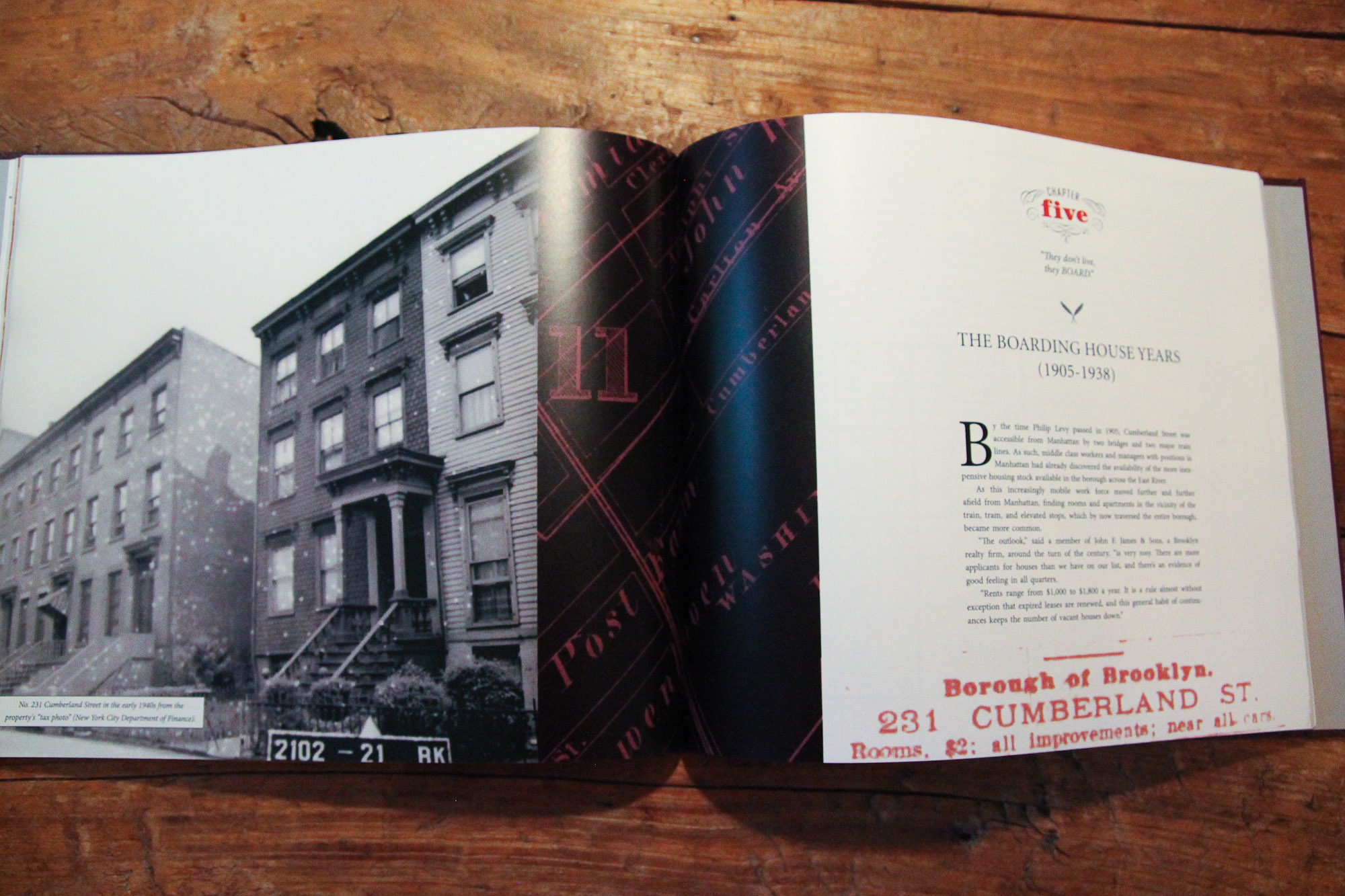
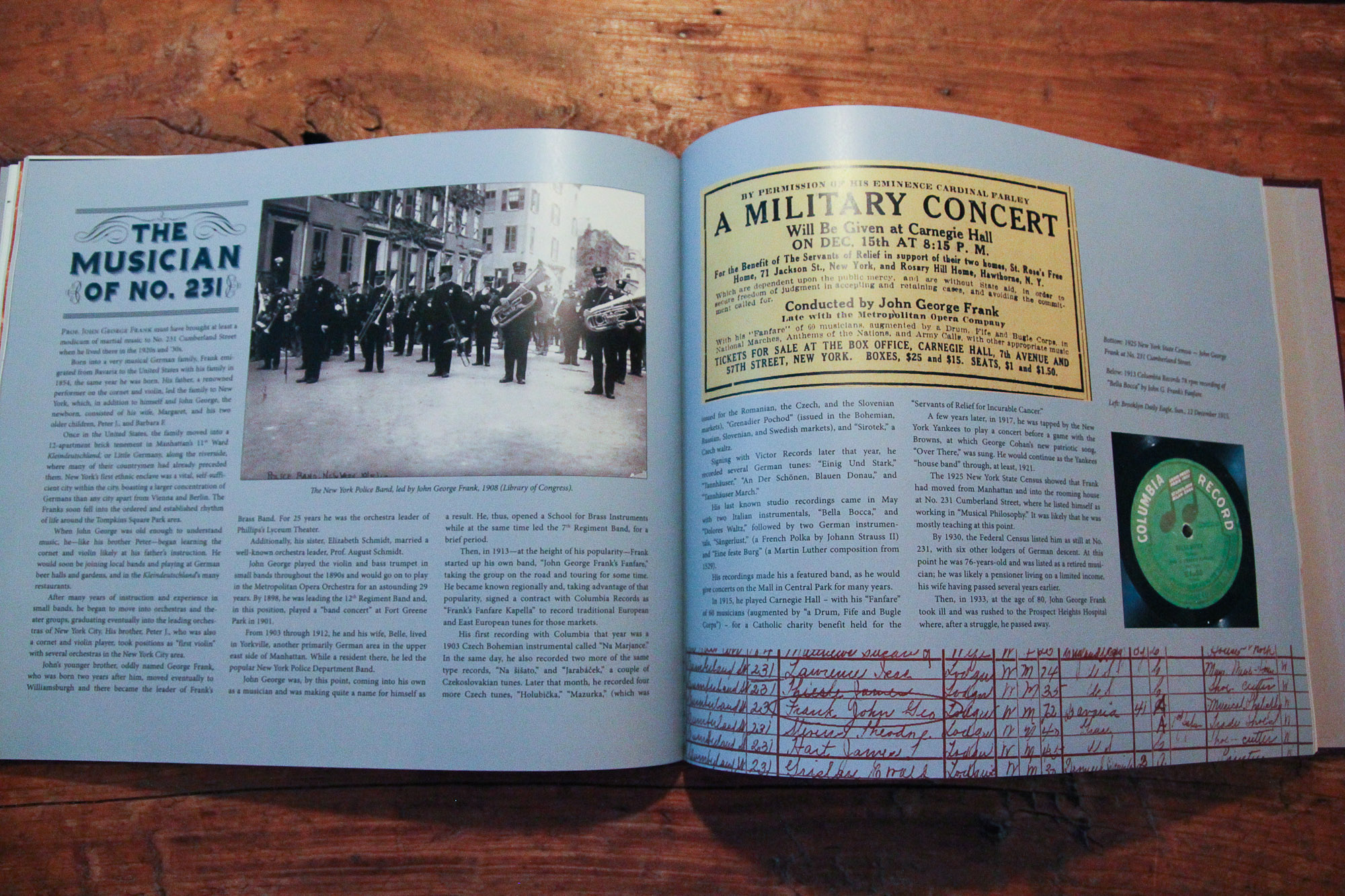
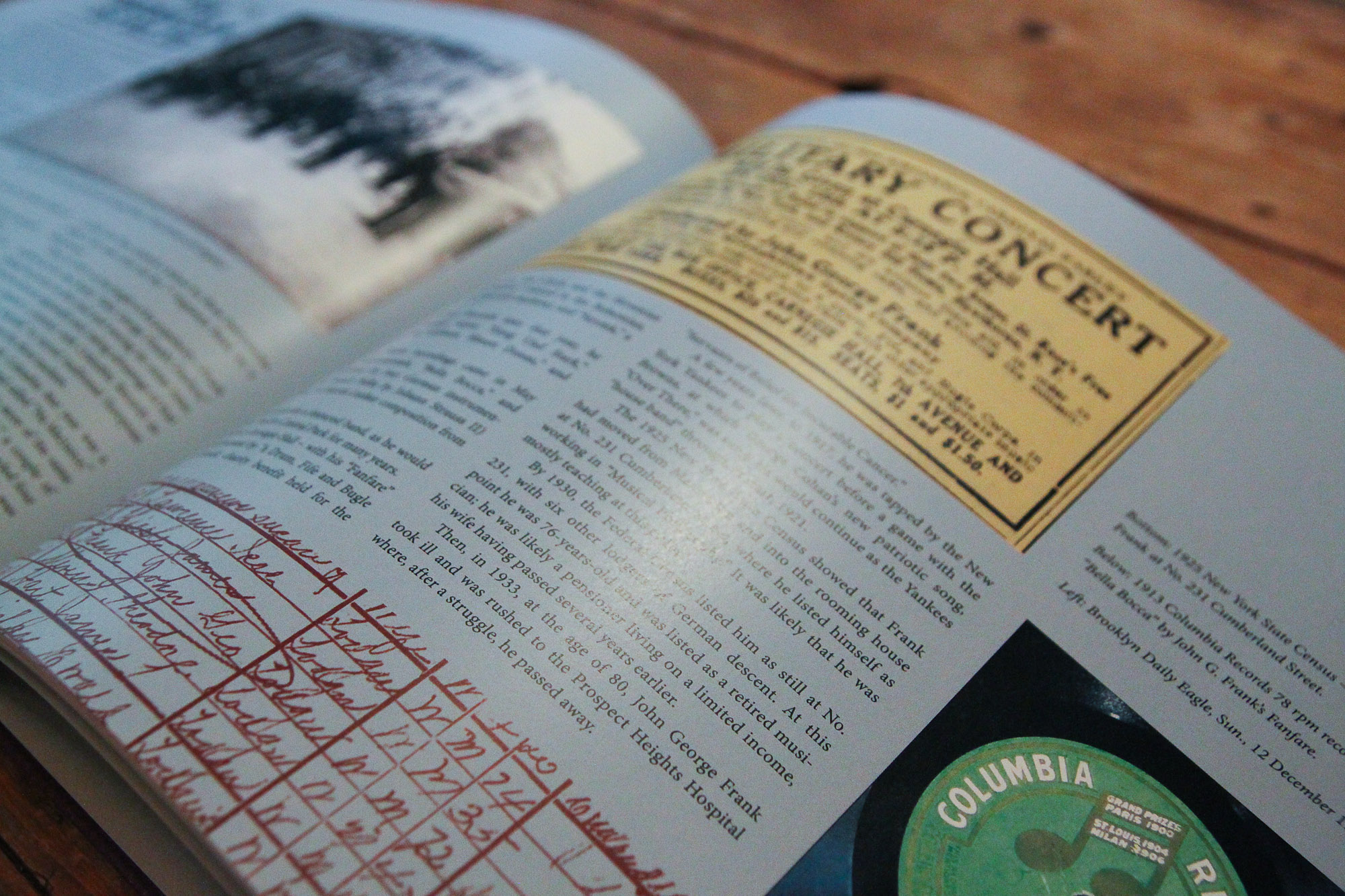
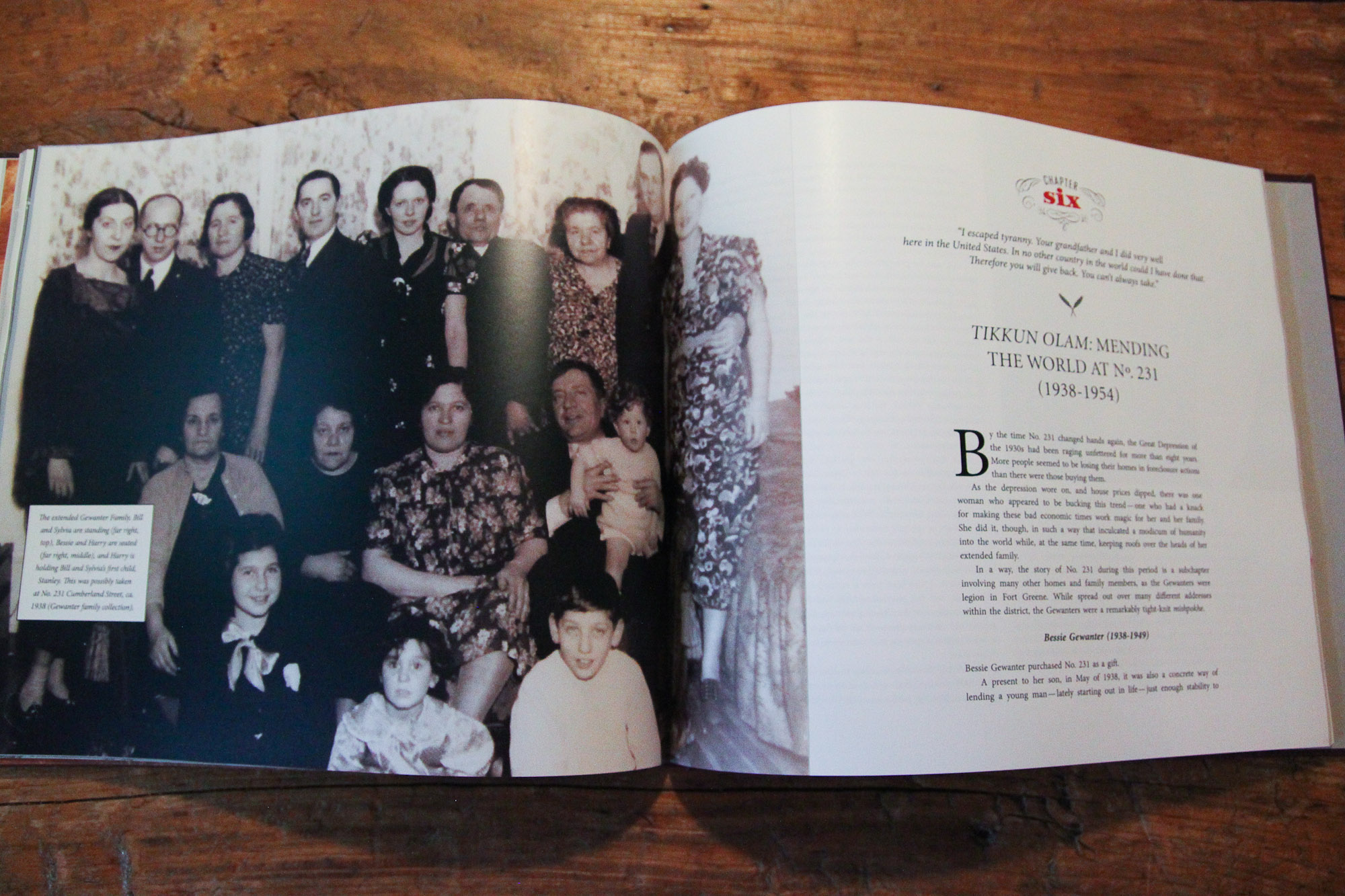
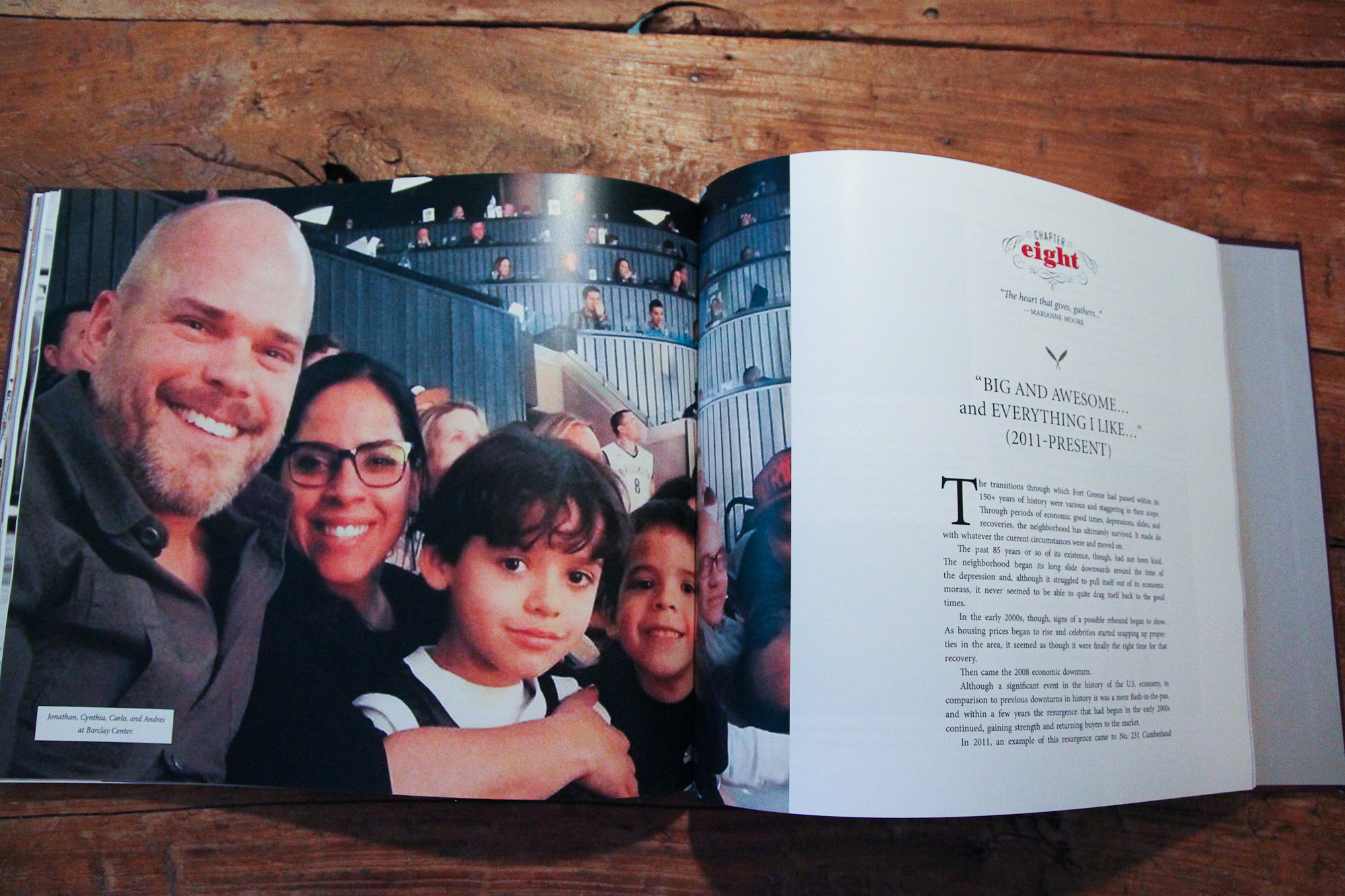
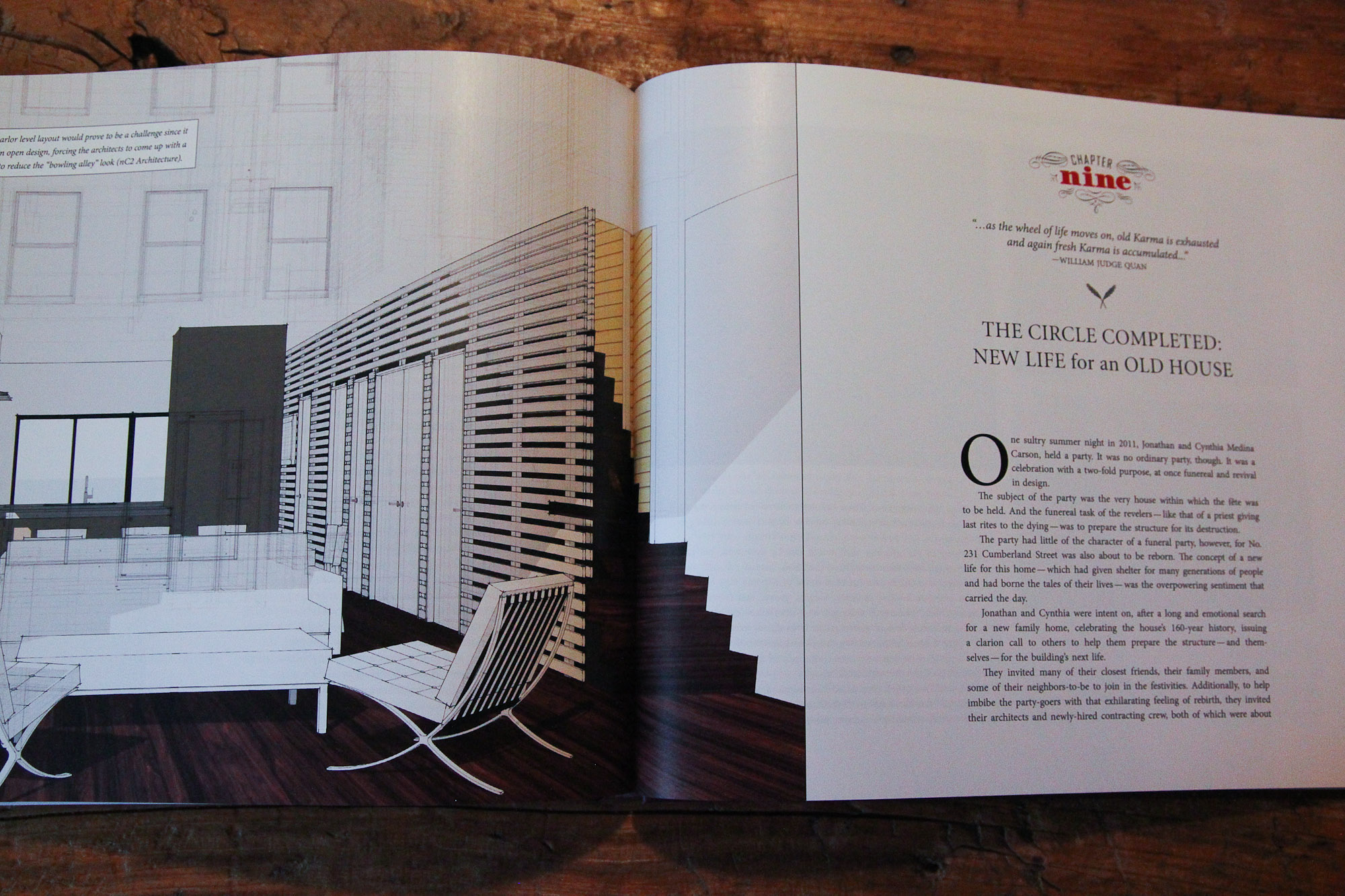
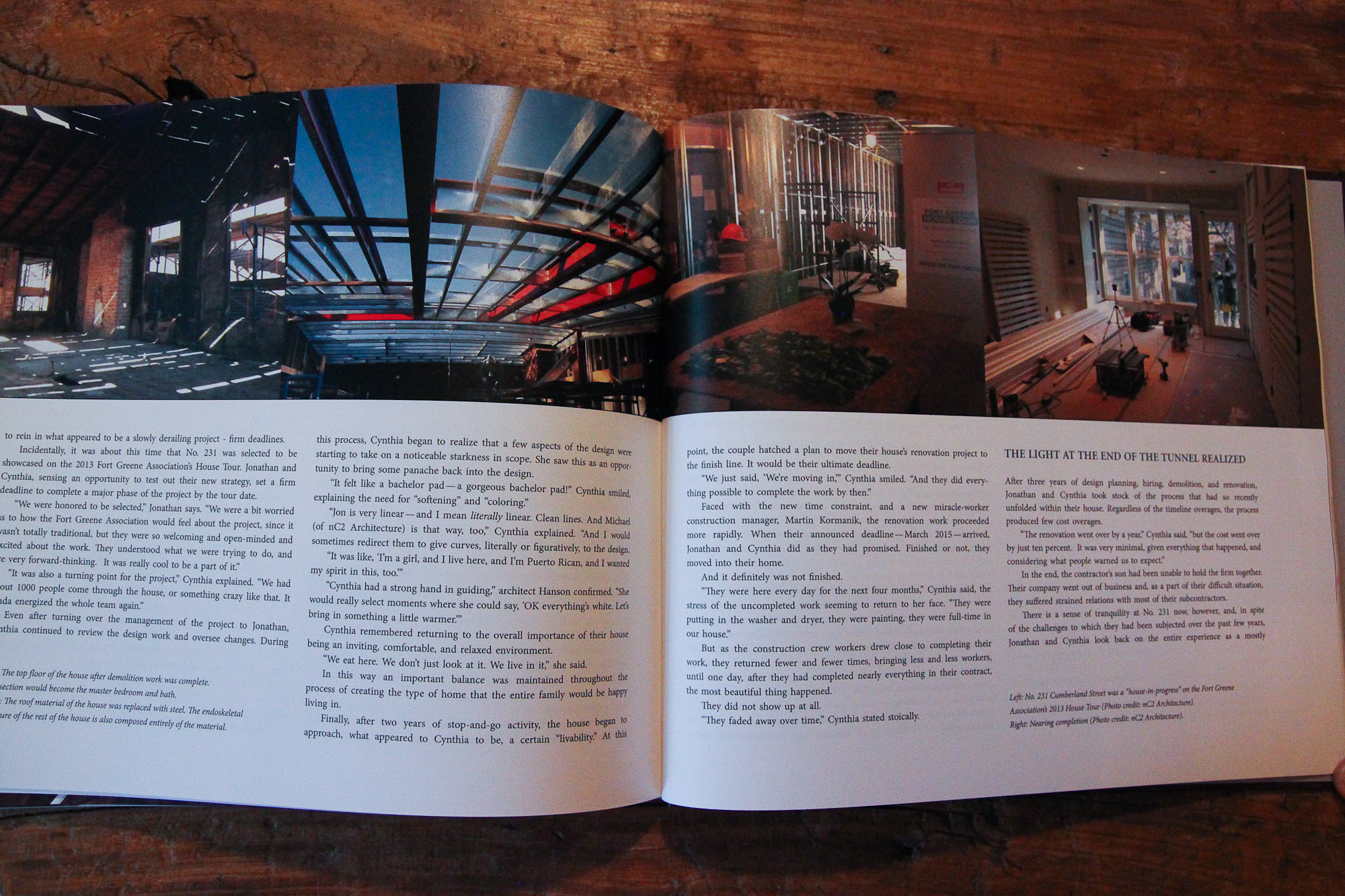
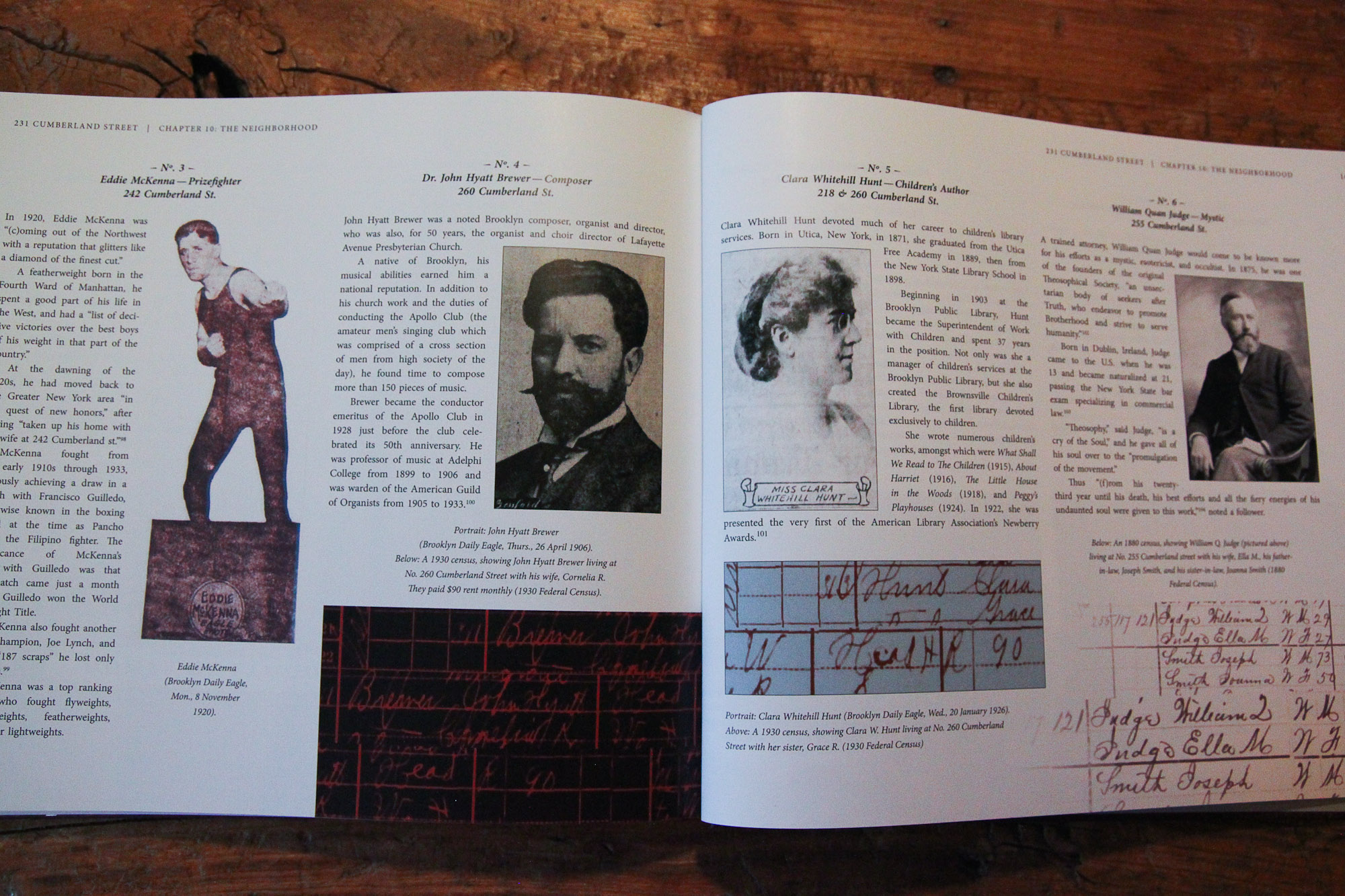
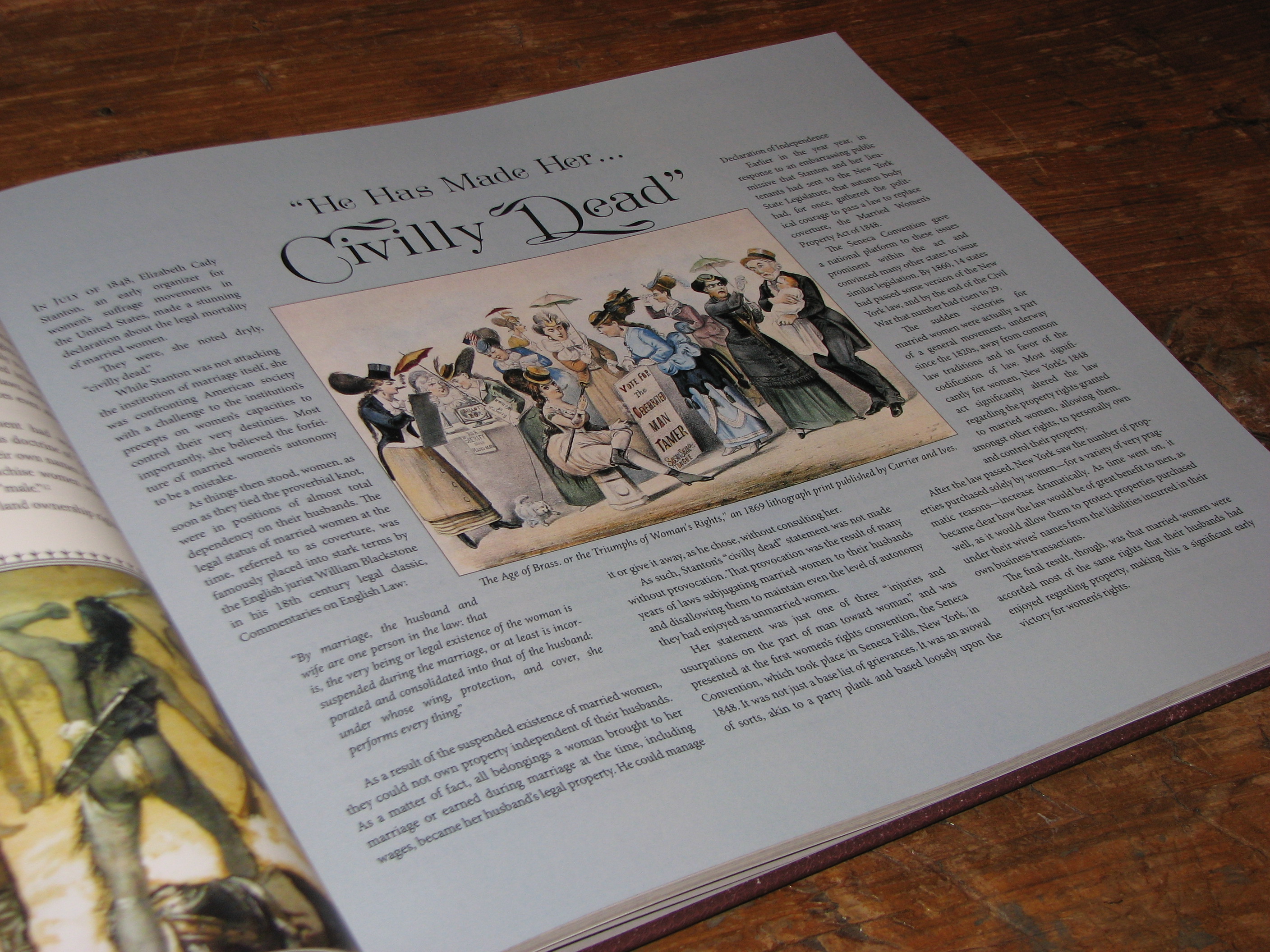
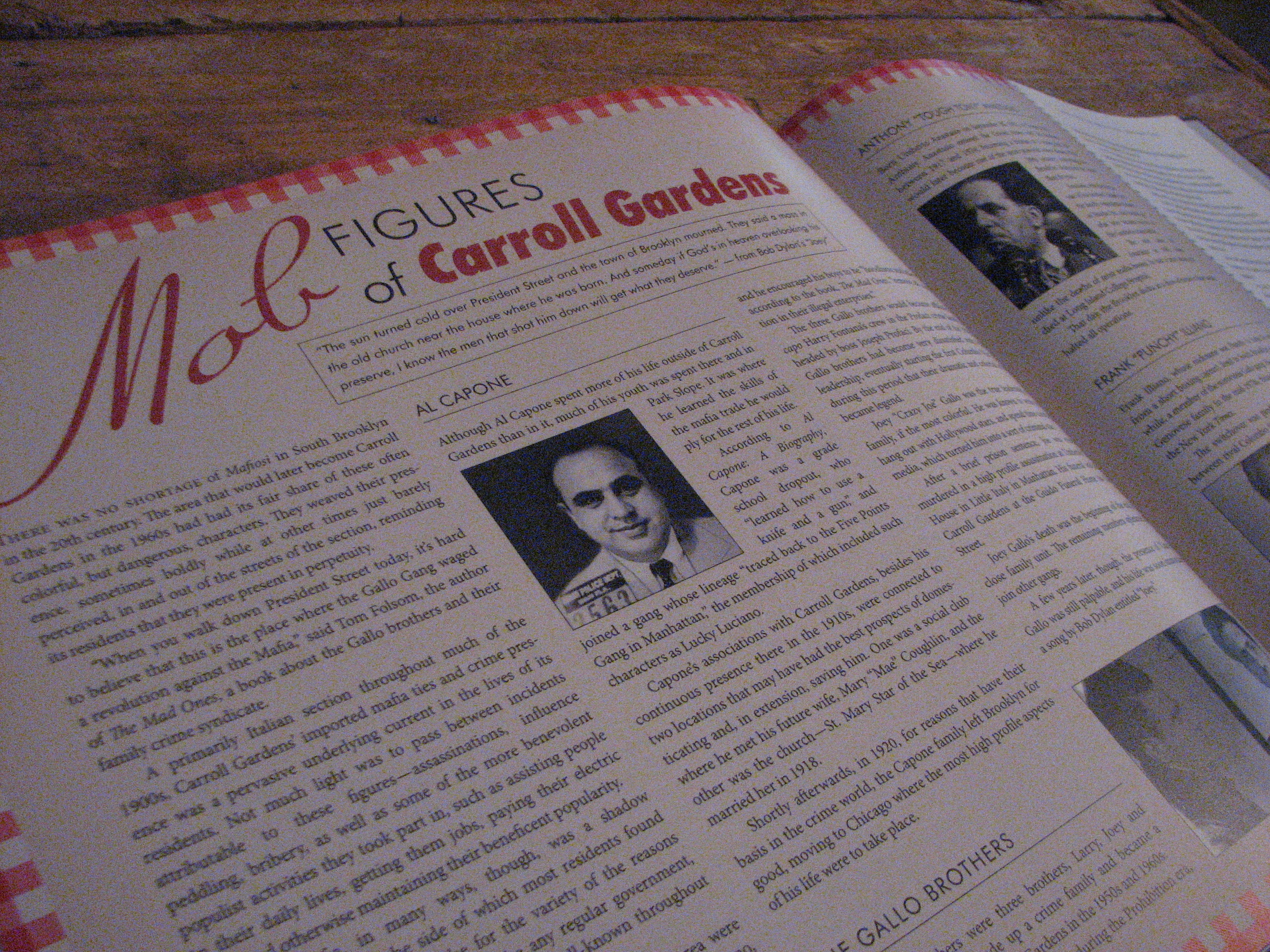
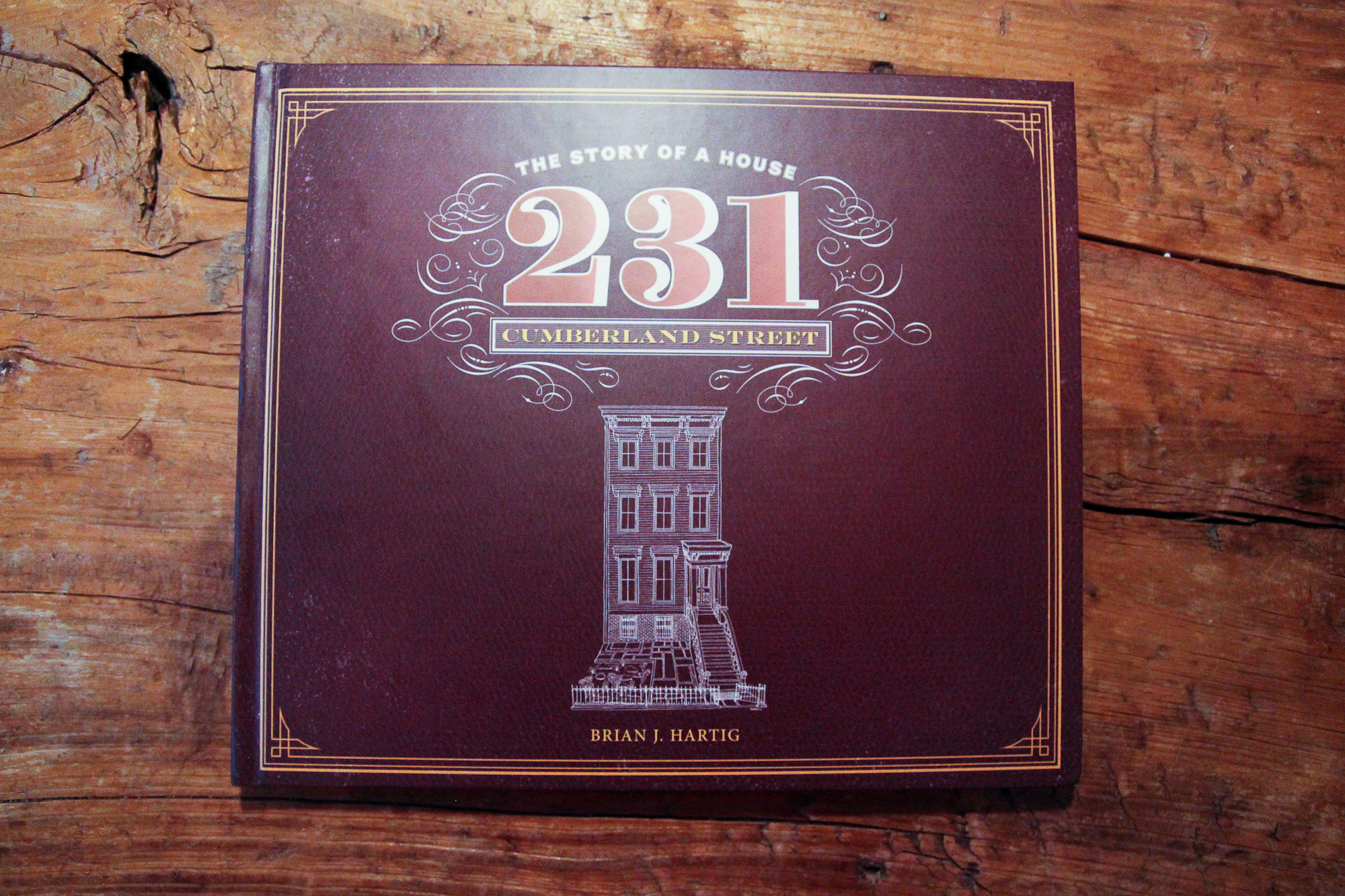
231 Cumberland Street is a 150-page House History Book telling the 165-year story of an antebellum Greek Revival/Italianate house located in the landmarked Fort Greene Historic District. Constructed on the very edge of the old John Jackson Farm by builder John Ross, it was completed in 1852. Afterwards, this house produced several colorful characters who were owners and tenants, as well as many richly compelling stories. There was the reverend who was the son of the founding president of Indiana University, the man who became rich carting \"night soil\", and the owner who was the attorney one of one of the more sinister mobsters portrayed in the movie “Goodfellas” - “Big Paulie” Vario. One story topped them all, however - the bevy of 1970s-era love letters discovered during the home’s renovation which revealed an incredible connection to the current owners. -