THE NO. 8 MACHINE OF FULTON STREET (1876)
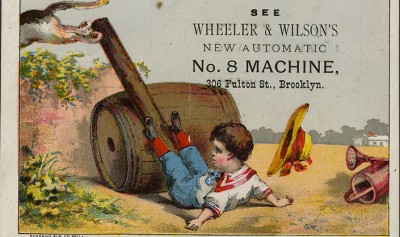
The No. 8 Machine. Such a romantic honorific. The name literally rolled off the tongue and dazzled the listener with the rhythm of its mellifluousness and style… OK. I won’t lie. It really wasn’t the sexiest of names. It sounds like a government-designed and -built outhouse. And it smells just as bad. Buyers of sewing machine back in the late 1800s, though, were really not shopping for a sexy name. They were looking for dependability and speed. Stylish sewing machines, then, were like the hotrods of the day for garment producers. Just as for the marketers of the 20th century’s Mark VI or Chrysler 300, or even the Mercedes 190-E, present-day automobile manufacturers always knew that that they “had” their buyers with their brand. They didn’t need a sexy name for their cars. They simply had to tack on the latest model number to their speed machines to let their faithful customers know that it was a new year and that they were once again out of style and out of step with the times. One of the producers of the 19th century speedster sewing machines was the Wheeler & Wilson Company. Their hotrod was the No. 8. SELLING THE NO. 8 And so with the graceful design and the smooth functioning of their No. 8 Machine, Wheeler and Wilson’s creation was on the tongues of many a manufacturer. Garment designers and clothing manufacturers literally felt something move within their hearts when they heard the No. 8 name. Wheeler and […]
BROWNSTONE DETECTIVES IN THE NY POST!
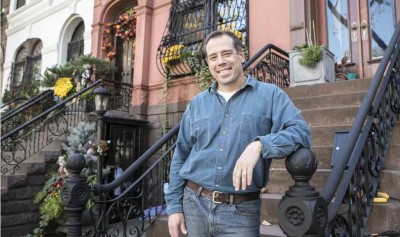
“Because Brooklynite Brian Hartig delves into the history of old New York homes every day, he comes across a few ghost stories,” wrote New York Post writer, Emily Nonko. Hartig, who creates House History Books containing the full histories of his clients’ Brooklyn houses, was told recently that his house was haunted by a benign spirit. (Read the rest of the story at the New York Post website.)
AFTER “NEGRO,” BEFORE “COLORED,” Pt. II (1920)
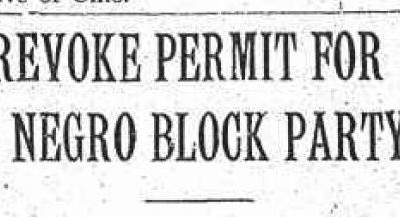
(Cont.’d from last week’s “After ‘Negro,’ But Before ‘Colored,’” Pt. I.) The permit for the “colored” Macon Street block party was revoked by the City at the last minute. Apparently, the white residents on Macon Street between Reid and Stuyvesant avenues, “who have been disturbed by the prospect of a block party there tonite for the benefit of a negro church are now at ease.” “The permit,” the July 1920 Brooklyn Eagle story noted, “which had been issued for roping off the block party” was revoked by the Highways Department, whose officials explained that Lucy Mayers had presented a petition from a number of residents on the block, asking permission for the party to be held.” However, as the residents of the block were predominantly white, when “some of them heard of the block party to be held for negroes they presented a counter petition with 140 names, a majority of the residents of the block, to the department, which then revoked the permit.” Police at the Ralph Avenue station said that “they had never been notified of the permit and they would have objected to the party,” if it had been held. The article does not say if the police meant that they would have objected to a party held by “colored folks” that was objected to by white residents, or if they would have objected to a “colored” block party, in general. The block party’s church committee stated that they were “returning the money for tickets bought for […]
THE RETURN OF AUNT CAR (2013)
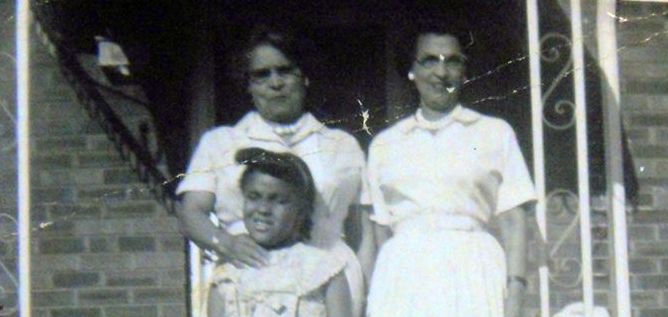
A few years ago, I found a posting on a genealogical site searching for information about a person named Caroline Gill. One of the owners of my house went by that name, so my interest was piqued. I wrote and gave the poster what information I knew, hoping for an exchange. As it turned out, that poster, Stacey Maupin Torres, had more information about Caroline than I ever did, which she began to share with me. In her reply, though, she casually mentioned some information that she didn’t know I already had. She told me that her “Aunt Car” had lived at 738 Macon Street in Brooklyn. As I read her message, I began to realize that I had not divulged to her that I lived in her aunt’s old house. So, imagine Stacey’s surprise when I told her that I was writing to her from that very house! After this revelation, every email we wrote to one another seemed to be pages in length. Stacey would tell me details about her Aunt Car’s and Uncle Henry’s lives (they lived at 738 Macon Street in the 1950s and 1960s), and I would tell her what 738 Macon Street is like now, and send her pictures of the house – including invitations to come and visit. Stacey told me that, in the 1960s, she had lived in Queens and had been to 738 Macon Street with her family many, many times. Her Aunt Car, she explained, had had large family gatherings […]
CELEBRATING DECORATION DAY (1868)
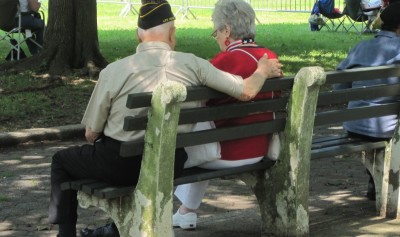
What we know today as Memorial Day was originally called Decoration Day starting in 1868 after the Civil War. It was a day created to memorialize those veterans who had made the ultimate sacrifice for their country, both North and South. Citizens would spend the day at the local cemetery placing small flags, bunches of flowers, and other remembrances on the graves of the deceased veterans, expending the remainder of the day picnicking with the whole family in the peaceful setting. We’re planning on celebrating the lives of those military men and women who gave their lives in the performance of their duties, as well as all those who have served, and those who currently serve. However you spend it, remember to contemplate the sacrifices made by those who came before us and who volunteered their services to make this country better. Happy Memorial Day! And remember to thank a veteran! – The Brownstone Detectives – Follow @BrownstoneDetec ———————————————————————————————————————– The Brownstone Detectives The story you just read was composed from historical research performed by The Brownstone Detectives. Allow us to do an in-depth investigation of your house and its former owners and produce your very own House History Book. Your hardbound coffee table book will include an illustrated and colorful narrative timeline that will bring the history of your house to life. Contact us today.
GIVE THE GIFT OF BROOKLYN HISTORY…
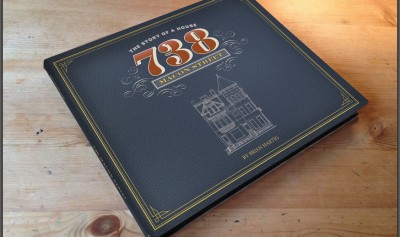
We’ve all been there. Each holiday season, you have that one friend or family member on your list who challenges your abilities to find the perfect gift for them. They defy description. They have eclectic tastes. They don’t fit squarely into any box or category. In short – they’re very difficult to shop for. Well, if that person has an historic bent and lives in an historic Brooklyn home, then let the Brownstone Detectives help you this holiday season. We’ll build them a: BROWNSTONE DETECTIVESHOUSE HISTORY BOOK WHAT IS A HOUSE HISTORY BOOK? Our House History Books are home-grown bespoke Brooklyn creations, each telling the complete story of a single historic house or property. To build one, we perform original research on every aspect of a property and its former owners/residents, starting with the original land owners (the arrival of the Dutch) and ending with the current owners of the land and structure (your friend or family member). Then, we get to work on writing your book. WHAT’S INCLUDED IN YOUR HOUSE HISTORY BOOK? • Colorful stories (Did intimate friends of Abraham Lincoln really own your house?), • Richly detailed maps (How did your neighborhood look when your house was built?), • Architectural drawings (Was that addition on the back of your house original?), • Photographs (What did your house look like on the inside in the 1950s?), • Interviews with former owners/residents (What stories are hidden within your home’s past?) • A well-researched, documented, and attributed 50-150 page narrative, […]


